How to Identify Grass Type: A 5-Minute Lawn Key
Not sure what grass is in your lawn? Run this short physical key using blade width, growth habit and season to find your grass family in minutes.

Not sure what grass is in your lawn? Run this short physical key using blade width, growth habit and season to find your grass family in minutes.
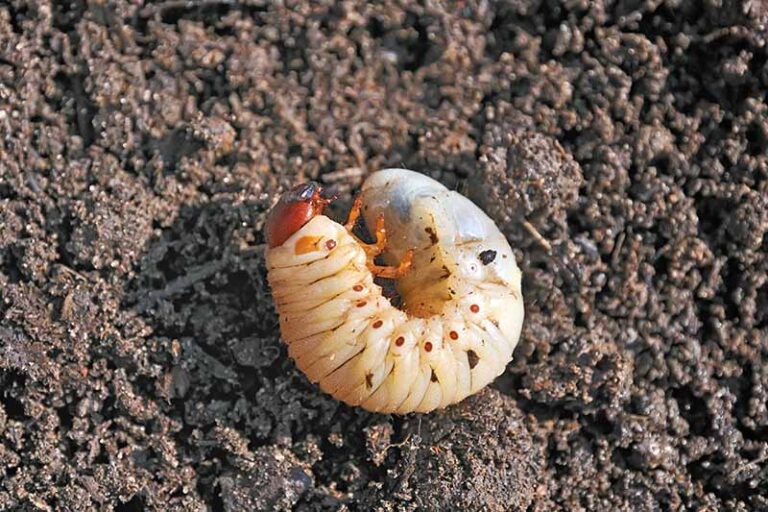
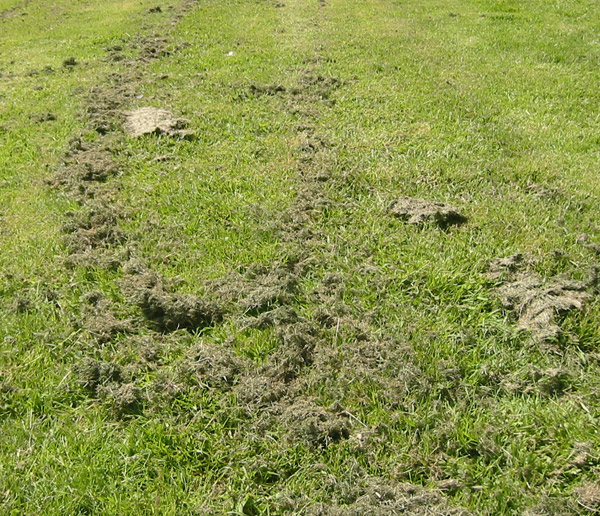
TL;DR What Is Grub Damage and What Causes It? credit: https://gardenerspath.com/ Grub damage is root injury caused by white grubs, the C-shaped larvae of scarab beetles that feed on grass roots a few inches below the soil surface. When the roots are gone, the turf above dies in irregular brown patches that lift off the…
TL;DR What Is the “Grass Smell” and Why Does It Turn Bad? Grass releases a mix of volatile organic compounds any time its blades are cut, torn, or stressed. These compounds – called green leaf volatiles (GLVs) – are the plant’s chemical response to injury. Fresh-cut GLVs are pleasant to most people. Rotting ones are…
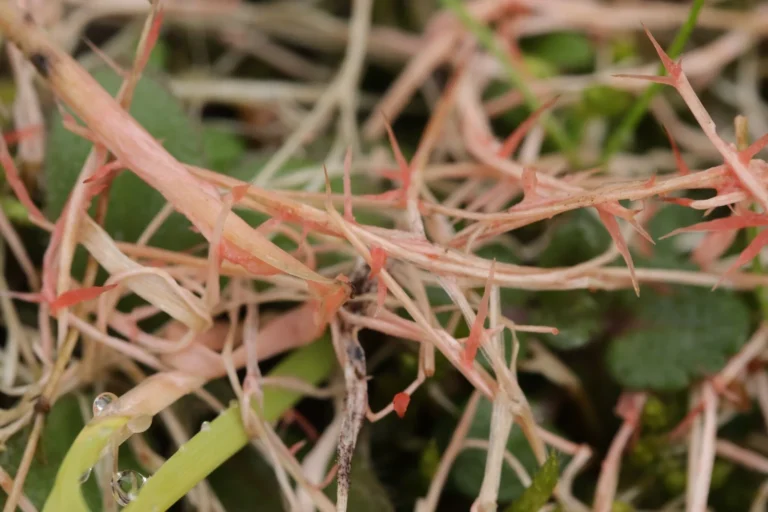
TL;DR What Lawn Fungus Actually Looks Like Lawn fungus is a disease caused by fungal pathogens that attack grass blades, roots, or both. Most fungal diseases are already present as dormant spores in your soil. They become active when moisture, temperature, and lawn stress conditions line up in the fungus’s favor. The visual signs fall…
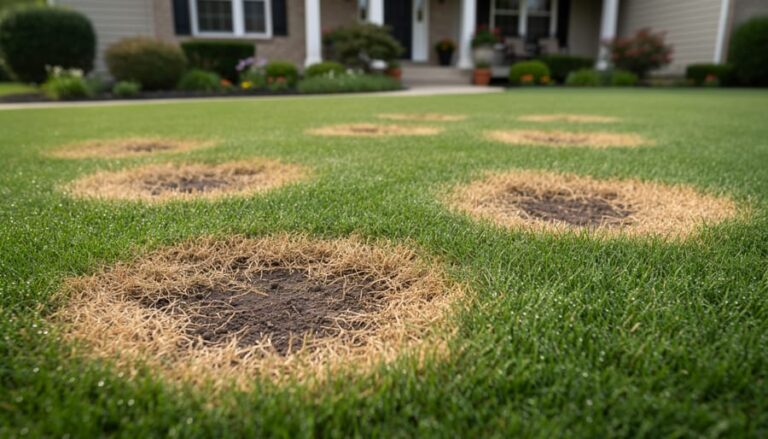
TL;DR What Causes Grass to Die in Circular Patches? Grass dies in circular or ring-shaped patches because the damaging agent spreads outward from a single point, and most lawn problems do exactly that. Fungi grow radially through the soil, grubs hatch and feed in clusters, and a dog returns to the same spot to urinate….
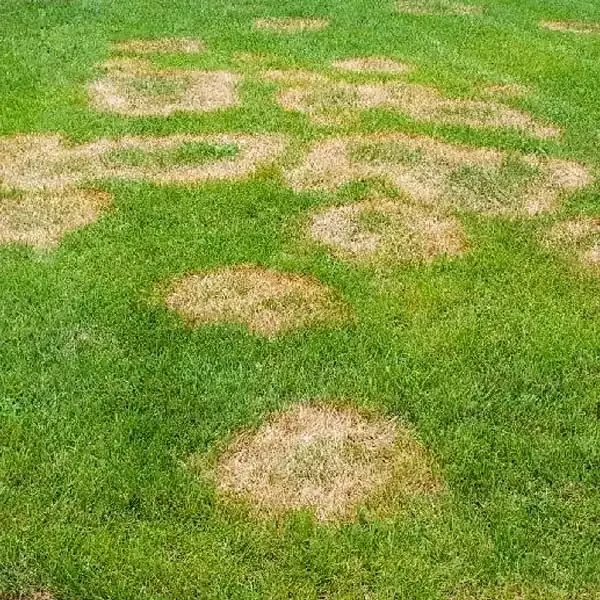
TL;DR What Does Lawn Pest Damage Look Like? Lawn pest damage usually shows up as irregular brown or thinning patches that do not respond to watering and keep spreading over days or weeks. The shape matters: pest damage tends to be scattered and uneven, not the uniform browning you get from drought or a broken…
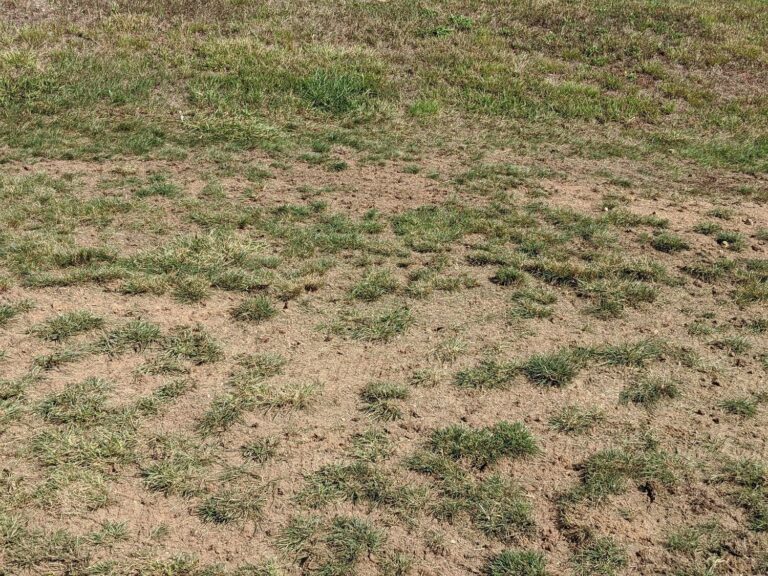
TL;DR Why Does Bare Soil Always Turn Into Weeds? credit: https://www.whygoodnature.com/ Bare soil turns into weeds because exposing the dirt gives dormant weed seeds the exact conditions they’ve been waiting for: light, warmer soil temperatures, and no competition from other plants. The seeds are already there. Clearing the surface just flips the switch that tells…
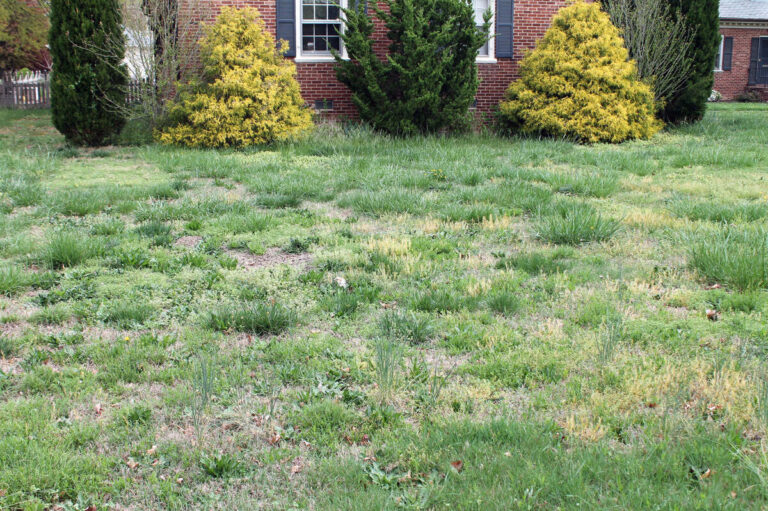
TL;DR What Counts as a Common Lawn Weed? A lawn weed is any plant growing in your turf where you do not want it, and the eight most common ones in US lawns sort into three families: broadleaf weeds, grassy weeds, and sedges. Getting the family right is the whole game, because the herbicide that…
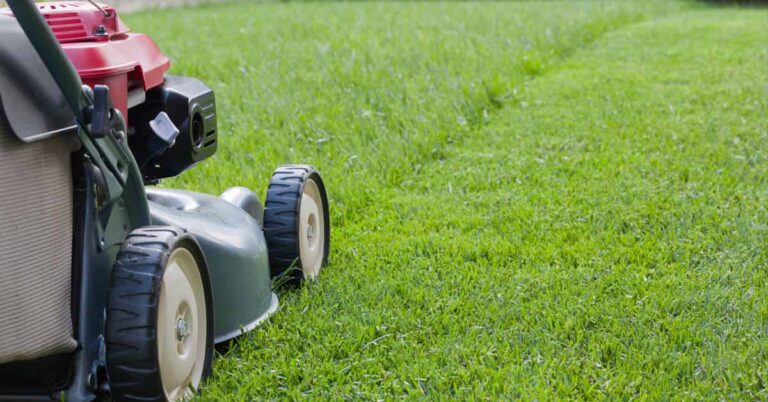
TL;DR Why Does Grass Lose to Weeds in the First Place? Grass loses to weeds when the turf is too thin or stressed to outcompete them for light, water, and nutrients. Weeds are opportunists. They move into any gap where grass has thinned out, and they germinate fast wherever sunlight reaches bare soil. Most lawn…
TL;DR What You Need Before You Start Tools: Parts or supplies: Safety steps: Step 1: Grow Thick Turf to Crowd Weeds Out A dense, healthy lawn is the most effective natural weed control there is. Weeds are opportunists. They fill bare spots and thin patches where sunlight reaches the soil. When grass grows thick enough…