Why Grass Smells Bad: The Real Science
TL;DR
- The “fresh-cut” grass smell is a distress signal – grass releases green leaf volatiles (GLVs) when its blades are sliced open.
- Genuinely bad lawn odors come from three sources: matted wet clippings decomposing without oxygen, pet waste buildup, or over-applied fertilizer.
- Piled or bagged clippings go anaerobic within days, producing hydrogen sulfide – the same rotten-egg compound found in swamps (University of Missouri Extension).
- Dog urine deposits high concentrations of nitrogen in one spot, which breaks down into ammonia and creates a persistent sharp odor (Purdue University Extension).
- Fix clipping odor by mulch-mowing instead of bagging; fix pet odor by watering the area immediately after your dog relieves itself.
What Is the “Grass Smell” and Why Does It Turn Bad?
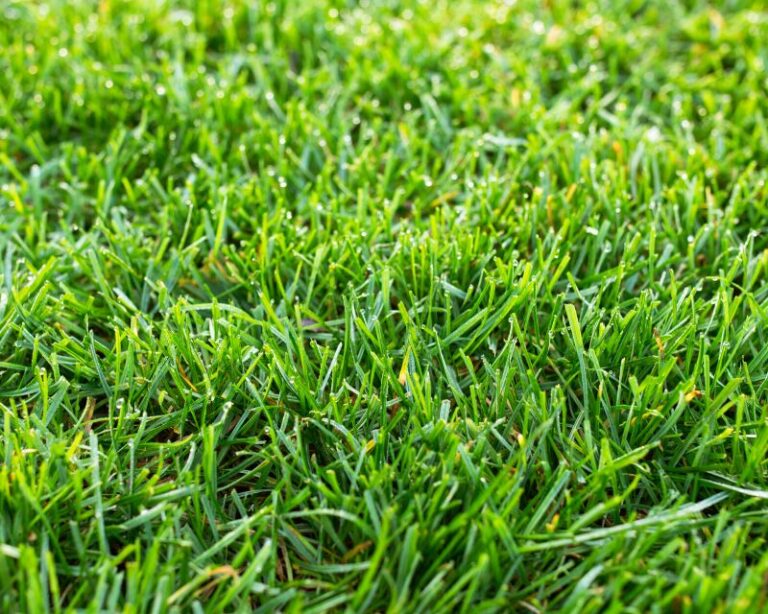
Grass releases a mix of volatile organic compounds any time its blades are cut, torn, or stressed. These compounds – called green leaf volatiles (GLVs) – are the plant’s chemical response to injury. Fresh-cut GLVs are pleasant to most people. Rotting ones are not.
The difference between a pleasant post-mow smell and a genuinely foul lawn odor is almost always about what happens to the clippings, the soil, or the surface after the mowing is done. A freshly cut lawn smells clean. A lawn with a week of piled, wet clippings or a dog that uses the same corner every day smells like a problem.
Why Fresh-Cut Grass Smells the Way It Does
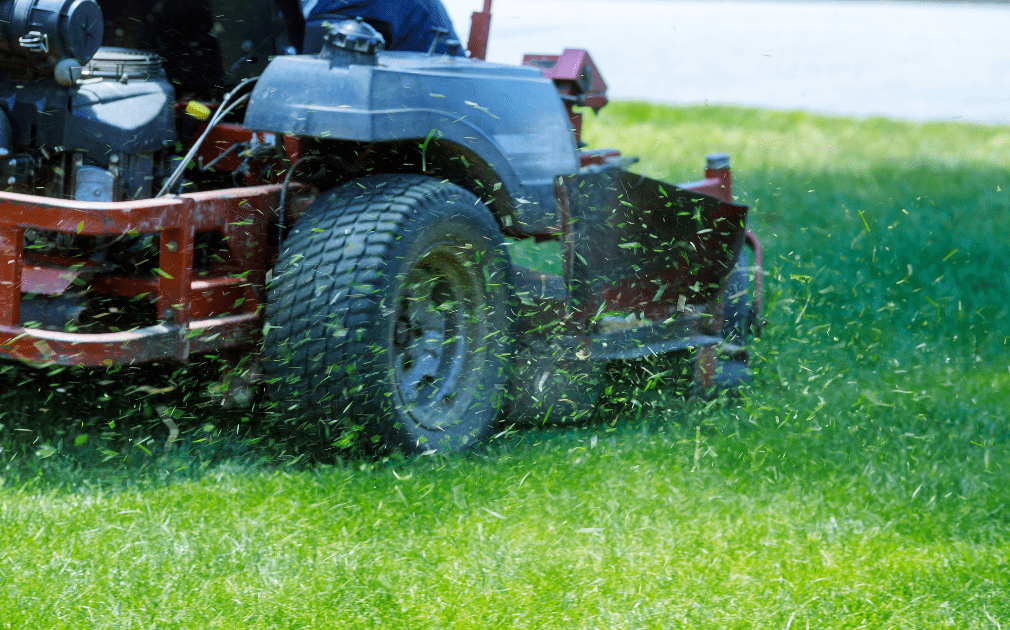
The familiar fresh-cut grass scent is a stress response, not a sign of a healthy lawn. When a mower blade slices through grass, it ruptures cell walls and triggers a burst of GLV emissions roughly 100 times higher than normal levels (LawnStarter, 2024).
The main compounds in that release include cis-3-hexenal (a sharp, citrusy leaf aldehyde), cis-3-hexenol (a sweeter, fruitier alcohol), and hexanal (earthy, herbal undertones). Together they produce what most people recognize as “fresh-cut grass.” The reason the smell spreads fast is that GLVs are volatile – they evaporate at room temperature and travel quickly through still air.
Grass also releases these compounds to signal neighboring plants, activate healing hormones in damaged blades, and attract parasitic wasps that prey on insects. It’s an effective system. To your nose, it just smells like a Saturday morning.
When Grass Starts to Smell Genuinely Bad
A lawn that smells rotten, like ammonia, or like sulfur is a different situation from fresh-cut GLVs. There are three main causes.
Matted Clippings Decomposing Without Oxygen
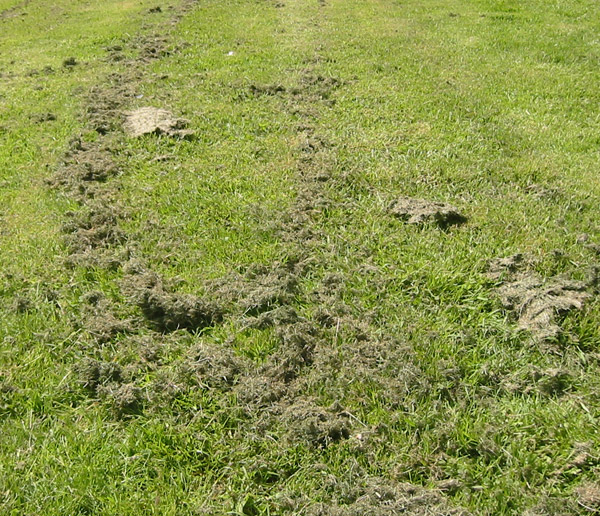
This is the most common cause of bad lawn odor after mowing. When wet clippings pile up – either in a bag, a corner of the yard, or a thick mat on the lawn surface – they compress and cut off airflow. Bacteria that don’t need oxygen take over the decomposition process. Those anaerobic bacteria produce hydrogen sulfide as a byproduct, which is the same compound responsible for the rotten-egg smell in swamps and stagnant water (University of Missouri Extension).
The fix is straightforward. Mulch-mow instead of bagging whenever possible. A mulching blade cuts clippings into fine pieces that filter back into the soil surface, decompose with airflow, and return nitrogen to the lawn. If you do bag, spread clippings out in a thin layer rather than dumping them in a pile. A pile of pure grass clippings with no dry material mixed in will go anaerobic and start smelling within two to three days (Planet Natural Research Center, 2024).
Dog Urine Breaking Down into Ammonia
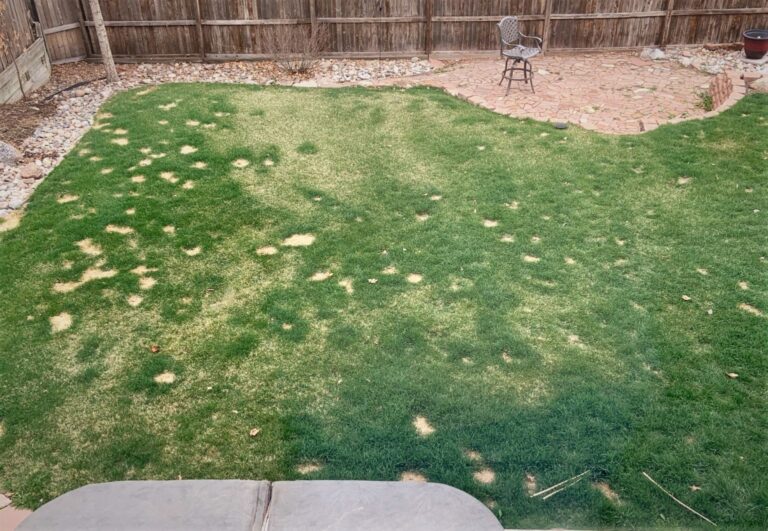
Dog urine deposits a concentrated dose of nitrogen and urea in one small area. As soil bacteria break down that urea, it releases ammonia – the same sharp, eye-watering smell you’d notice in a neglected stable or a poorly maintained compost pile with too many nitrogen-rich materials (Purdue University Extension).
The effect is worse with female dogs, which tend to squat and deposit their full bladder in a single concentrated spot rather than marking multiple locations. A single spot can hold enough nitrogen to mimic a heavy fertilizer spill, which both burns the grass and creates a persistent odor that lingers after rain (TruGreen, 2023).
The standard fix is to water the area immediately – within 8 hours if possible. Diluting the nitrogen concentration before it soaks fully into the root zone reduces both the burn and the ammonia smell.
Over-Applied or Organic Fertilizer
Synthetic fertilizers don’t usually cause odors unless massively over-applied. Organic fertilizers – particularly those based on blood meal, fish meal, or poultry manure – have a strong smell on their own and can leave a sharp, barnyard-like odor for several days after application. This is normal and temporary.
If the smell persists more than a week after a fertilizer application, it’s likely that product was applied too heavily in one area, trapping excess nitrogen near the surface and causing localized anaerobic conditions in the soil.
What the Smell Tells You About Lawn Health
Different odors point to different problems. This table maps the common smells to their causes and fixes.
| Smell | Most Likely Cause | Fix |
|---|---|---|
| Fresh, green, grassy | Normal GLV release after mowing | No action needed |
| Rotten eggs or sulfur | Anaerobic clipping decomposition | Spread or remove piled clippings; mulch-mow going forward |
| Sharp ammonia | Dog urine or excess nitrogen | Water the spot within 8 hours; reduce pet access to one lawn area |
| Barnyard or fishy | Organic fertilizer application | Normal for 3-7 days; water in thoroughly to speed dissipation |
| Musty, earthy, damp | Thatch layer holding moisture | Dethatch in fall; aerate to improve drainage and airflow |
Common Mistakes That Make Lawn Odors Worse
- Bagging clippings and dumping the full bag in one pile: A solid pile of fresh clippings with nothing mixed in goes anaerobic within 48 hours. Either mulch-mow, spread clippings thinly, or layer in dry material like leaves or cardboard at a 3:1 ratio of dry to green (Cornell University, 2024).
- Mowing wet grass: Cutting wet grass produces thicker, heavier clippings that mat down immediately. Matted clippings block airflow to the soil surface faster than dry ones, accelerating anaerobic conditions. Mow in the late morning after dew has dried when possible.
- Letting a dog use the same spot repeatedly: A single visit causes burn. Daily visits in the same corner cause persistent ammonia odor. Rotating where your dog relieves itself – or using a designated gravel or mulch area – prevents concentration buildup.
- Ignoring thatch over half an inch thick: A dense thatch layer traps moisture and organic debris near the soil surface. It creates a slow-decomposing anaerobic zone that produces a musty odor even without clipping buildup. Dethatch in early fall for cool-season grasses, late spring for warm-season.
Frequently Asked Questions
Why does my lawn smell like rotten eggs after mowing?
A rotten-egg smell after mowing almost always means clippings are decomposing without enough oxygen. Wet clippings pile together and create anaerobic conditions where bacteria produce hydrogen sulfide as a byproduct. Spread clippings out, switch to mulch-mowing, or remove them and mix with dry material before piling.
Why does my yard smell like ammonia?
An ammonia smell in the yard usually comes from dog urine or over-applied nitrogen fertilizer. Dog urine is high in urea, which soil bacteria convert to ammonia as it breaks down. Water the affected area thoroughly as soon as possible to dilute the concentration and speed the process along.
Does the smell of fresh-cut grass mean the lawn is healthy?
Not exactly. The fresh-cut smell is a stress response – GLVs released when grass blades are sliced open. A lawn that smells that way after mowing is reacting normally to being cut, but the smell itself is a chemical distress signal, not evidence of good lawn health. Healthy soil, good drainage, and proper mowing height matter more than how the lawn smells.
How long does cut grass smell last?
The fresh-cut GLV smell typically dissipates within a few hours on a dry day. If the smell lingers beyond that – or turns sour or rotten – that’s a sign clippings are decomposing on the surface rather than breaking down cleanly into the soil.
Can grass smell bad because of the soil?
Yes. Compacted or waterlogged soil creates anaerobic conditions underground that can produce a sulfur or musty odor even without visible clippings or pet waste. The fix is aeration to restore oxygen flow through the root zone. Core aeration once per year in fall (for cool-season grass) or late spring (for warm-season) is usually enough to prevent this.
Does mulch-mowing really prevent clipping odors?
It does in most cases. Mulch-mowing cuts clippings into small pieces that scatter across the lawn surface and break down aerobically – with airflow – rather than clumping into dense oxygen-free mats. The clippings decompose faster, return nutrients to the soil, and don’t produce the anaerobic compounds responsible for rotten odors. The only exception is when grass is very long or very wet; in those cases even a mulching blade can produce thick clumps.