How to Stop Weed Growth Naturally: A Step-by-Step Guide
TL;DR
- The single best natural weed control is a thick, healthy lawn. Michigan State University research found that mowing at 4 inches with regular nitrogen cut broadleaf weed populations by 75% compared to short mowing with no fertilizer (Turf & Rec / MSU, 2025).
- This guide covers six natural methods, ranked by how well they actually work, and takes about a weekend to start.
- Tools and supplies you’ll need: a sharp mower, a rake or aerator, grass seed, mulch, and household or horticultural vinegar for spot treatment.
- Vinegar works on young annual weeds, but it burns any plant it touches and will not kill perennial roots (University of Maryland Extension, 2023).
- Expect a real difference within one full growing season, not overnight. Natural weed control is about crowding weeds out, not zapping them.
What You Need Before You Start
Tools:
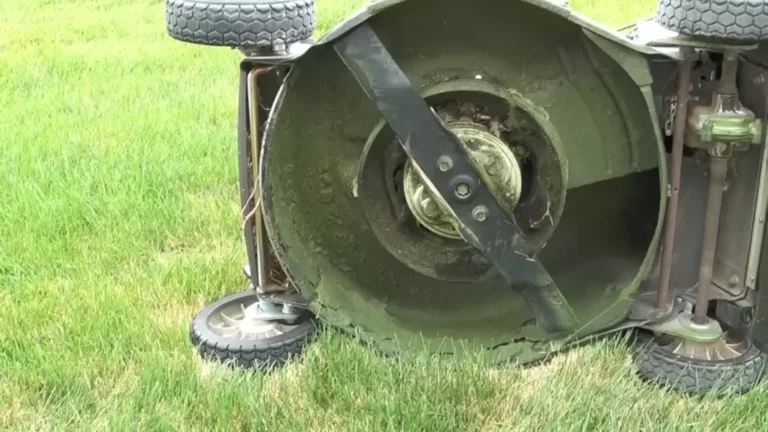
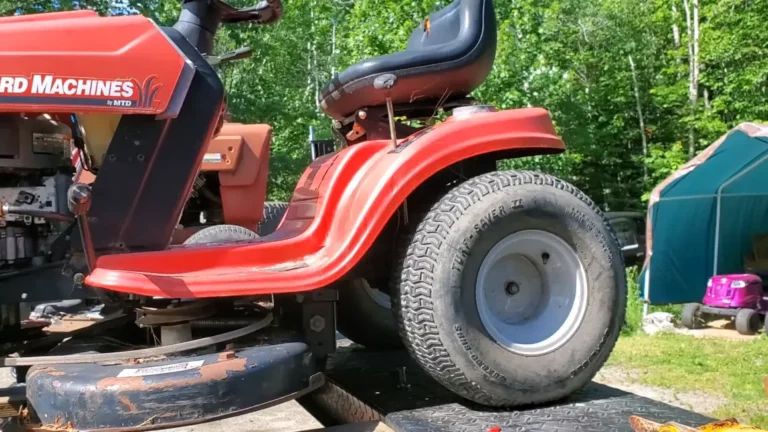
- A lawn mower with a sharp blade, set to its highest cutting positions
- A garden rake or core aerator for thin, compacted spots
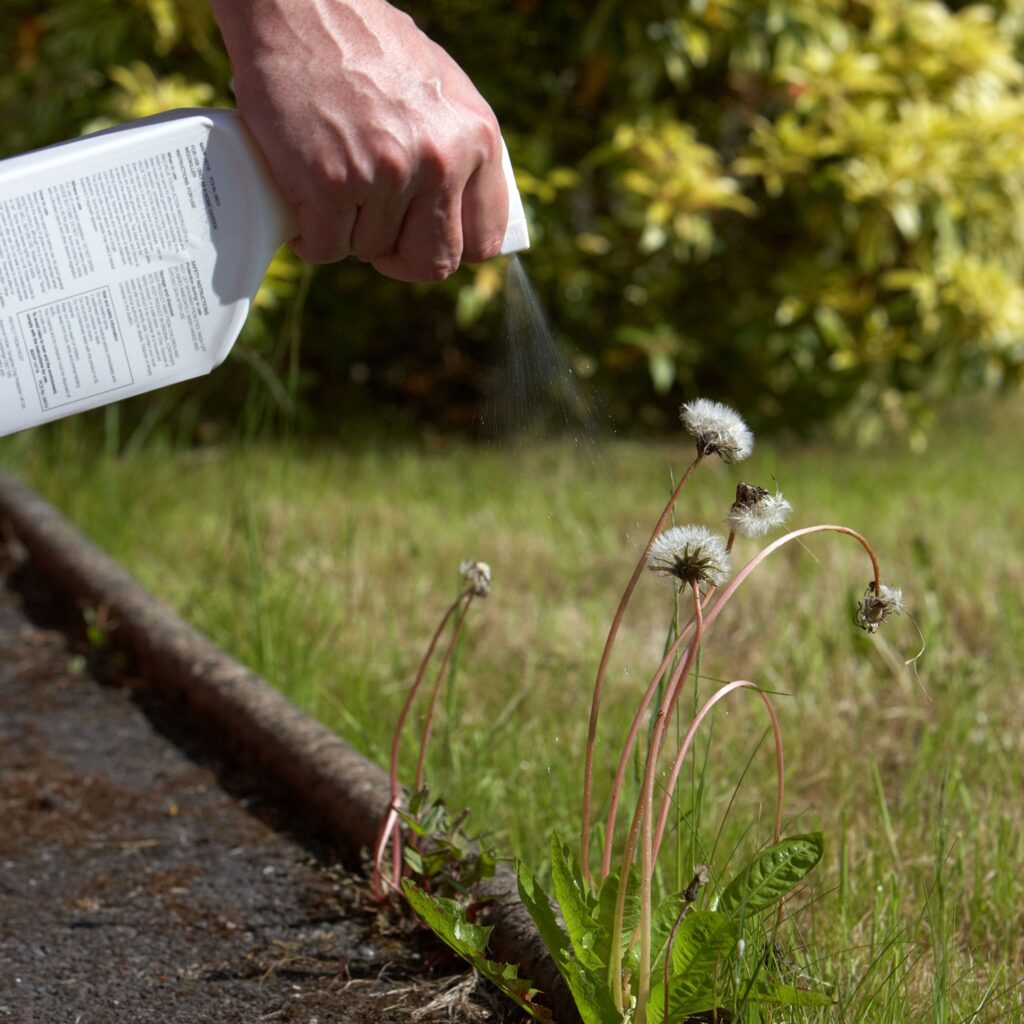
- A spray bottle or pump sprayer for spot treatment
- A hand weeder or old kitchen knife for digging tap-rooted weeds
Parts or supplies:
- Quality grass seed matched to your region (tall fescue, Kentucky bluegrass, or a warm-season type like bermudagrass)
- Household vinegar (5% acetic acid) for young weeds, or horticultural vinegar (20% to 30%) for tougher ones
- Mulch (wood chips or bark) for beds and borders
- Slow-release nitrogen fertilizer, ideally based on a soil test
Safety steps:
- Wear gloves and eye protection any time you handle vinegar above 5%, since horticultural vinegar carries the EPA’s highest “DANGER” warning and can cause skin burns and permanent eye damage (Blooming Expert citing EPA/OSU, 2026).
- Spray only on a calm, dry day to keep vinegar from drifting onto plants you want to keep.
- Keep kids and pets off treated areas until the spray dries, usually 2 to 4 hours in dry sun.
Step 1: Grow Thick Turf to Crowd Weeds Out
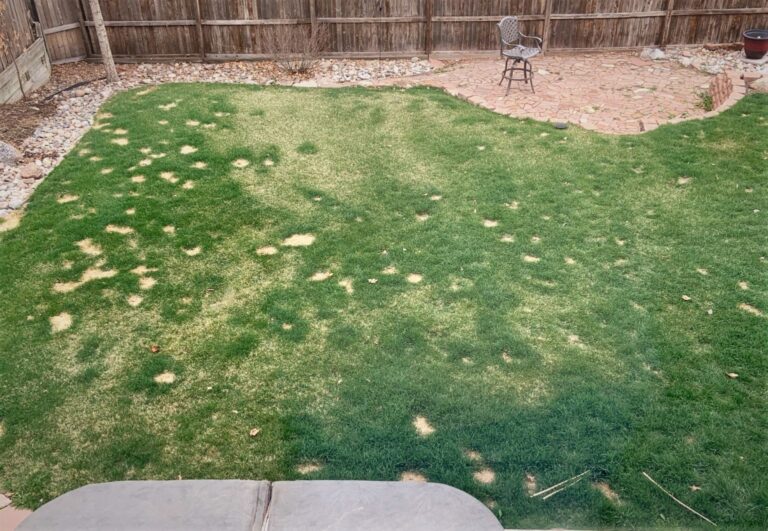
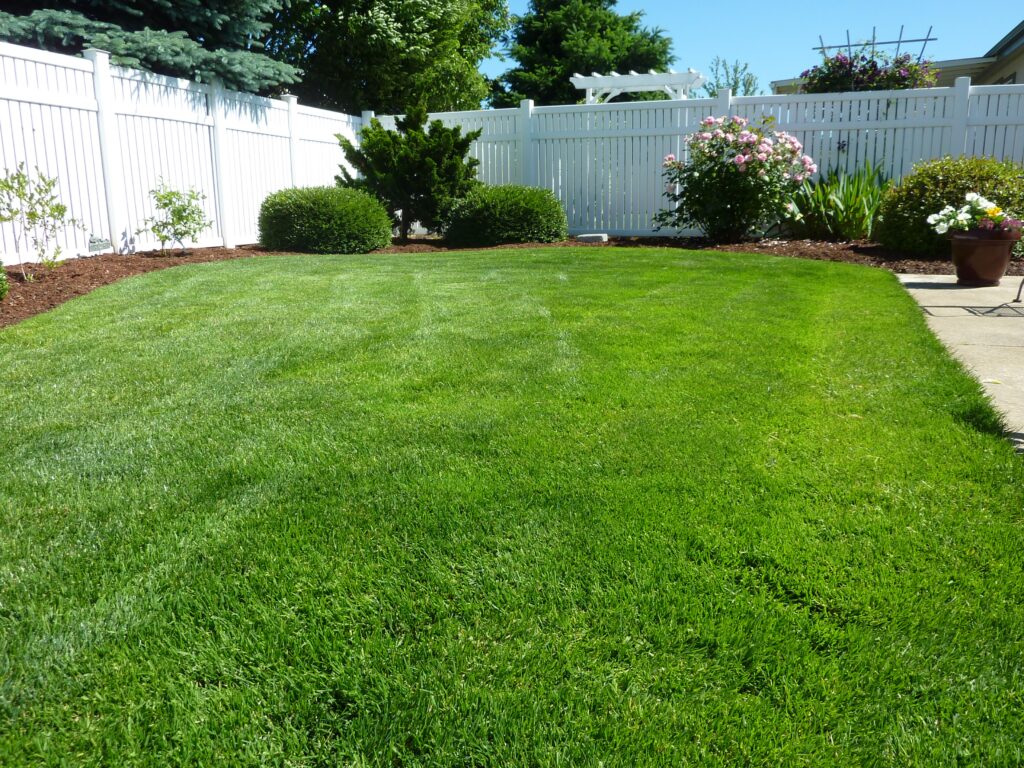
A dense, healthy lawn is the most effective natural weed control there is. Weeds are opportunists. They fill bare spots and thin patches where sunlight reaches the soil. When grass grows thick enough to shade the ground, most weed seeds never get the light they need to sprout (Penn State Extension, 2025).
The University of Maryland Extension puts it plainly: a thick, dense lawn is your best defense against weeds, and proper mowing, fertilizing, and seeding reduce weed pressure before you ever reach for a spray (University of Maryland Extension, 2023). Overseed thin areas in early fall for cool-season grass, or late spring for warm-season types, and keep the soil from going bare.
Step 2: Raise Your Mowing Height
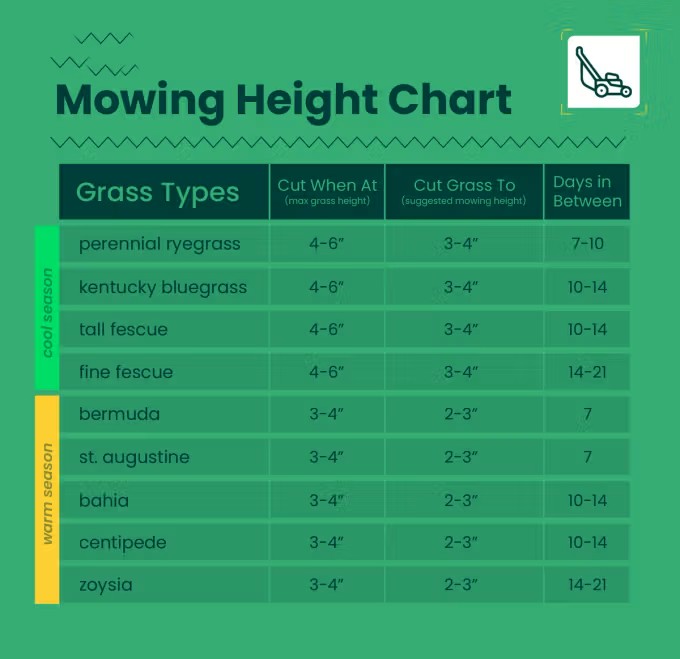
Set your mower to one of its tallest settings, around 3 to 4 inches for most cool-season lawns. Taller grass shades the soil surface, and weed seeds like crabgrass need warmth and sunlight at the soil line to germinate. Cut that light off and you stop a lot of weeds before they start (Penn State Extension, 2025).
The numbers back this up. Michigan State University studies found that turf mowed at 4 inches with about 3 pounds of nitrogen per year and no herbicide showed a 75% reduction in broadleaf weeds compared to shorter mowing with no fertilizer (Turf & Rec / MSU, 2025). Follow the one-third rule too: never cut more than a third of the blade height at once, which keeps the lawn from getting stressed and thinning out.
Step 3: Water Deeply and Less Often
Water deeply and infrequently so the soil surface dries between sessions. Frequent shallow watering keeps the top layer of soil moist, which is exactly the condition many weed seeds need to germinate, and it also encourages shallow-rooted turf that competes poorly with weeds (Kansas State University Research and Extension, n.d.).
A deep soak once or twice a week pushes grass roots down where they reach moisture during dry spells. That deeper root system is what lets your turf outcompete weeds through summer heat, when crabgrass and other annuals are trying hardest to take hold.
Step 4: Pull Weeds by Hand and Bag Seed Heads
Hand pulling works well for scattered weeds, especially when the soil is moist and the whole root comes up. For tap-rooted weeds like dandelions, use a hand weeder or knife to get under the crown, since snapping off the top just lets it regrow.
When you mow a lawn full of flowering or seeding weeds, bag the clippings instead of returning them. Otherwise you spread weed seed right back into the soil. Once the weeds are under control, switch back to leaving clippings, which return free nitrogen to the lawn and help thicken it (University of Tennessee Extension, 2024).
Step 5: Spot-Treat Tough Weeds With Vinegar
Vinegar kills weeds by burning the foliage it touches, drawing moisture out of the leaf cells. It is a contact killer, so it scorches whatever it lands on and does not move into the roots. Household 5% vinegar can kill young annual broadleaf weeds under about 2 weeks old, but Purdue University Extension notes that older or perennial weeds need at least 20% acetic acid (Lawn Love citing Purdue/Maryland Extension, 2025).
Two honest limits to keep in mind. First, vinegar is non-selective, so it will kill your grass just as fast as the weed. Paint or spot-spray it directly onto the weed. Second, on perennials like dandelions and Canada thistle, vinegar usually only burns the top, and the plant regrows from its roots (Northwest Center for Alternatives to Pesticides, n.d.). For those, dig the root out instead.
| Method | What It Kills Best | How Long It Lasts | Main Limitation |
|---|---|---|---|
| Thick turf + high mowing | Most annual weeds, before they sprout | All season, builds over time | Takes a full season to establish |
| Hand pulling | Scattered or tap-rooted weeds | Permanent if root is removed | Labor-intensive on big areas |
| Household vinegar (5%) | Young annual broadleaf weeds | Days; no soil residual | Kills grass too; no root kill |
| Horticultural vinegar (20-30%) | Older annuals, top of perennials | Days; no soil residual | Caustic; “DANGER” rated |
| Mulch (beds only) | Weeds in borders and gardens | Months per layer | Not for use on lawns |
| Corn gluten meal | Disputed (see below) | 4-6 weeks if it works | Mixed research results |
Step 6: Mulch Your Beds and Borders
Use a 2 to 3 inch layer of wood chips or bark mulch in garden beds and along borders to block weeds. Mulch works the same way thick turf does. It shades the soil so weed seeds can’t get the light to germinate, and it makes the few that sprout easy to pull. This is for beds and landscaping, not the lawn itself.
Refresh mulch as it breaks down, usually once a season. Keep it a couple of inches away from plant stems and tree trunks so it doesn’t trap moisture against them.
A Note on Corn Gluten Meal
Corn gluten meal gets promoted everywhere as a natural pre-emergent, but the research is genuinely split, so treat it with caution. Iowa State University field tests in the late 1980s reported it controlled 60% of weeds the first year, rising to 90% by the third year at about 20 pounds per 1,000 square feet (University of Illinois Extension, 2018).
Other universities couldn’t reproduce that. Oregon State University ran two years of trials and found corn gluten meal controlled no weeds under any conditions, working only as a nitrogen fertilizer (Oregon State University Extension, 2023). The University of Maryland Extension does not recommend it for lawn weed control because of these mixed results (University of Maryland Extension, 2023). If you try it, know you may just be fertilizing your lawn, weeds included.
What to Do If Something Goes Wrong
| Problem | Likely Cause | Fix |
|---|---|---|
| Vinegar killed patches of grass | Overspray or wind drift | Reseed the bare spots; spot-treat with a brush next time |
| Weeds came right back after vinegar | Perennial regrowing from roots | Dig the root out by hand instead |
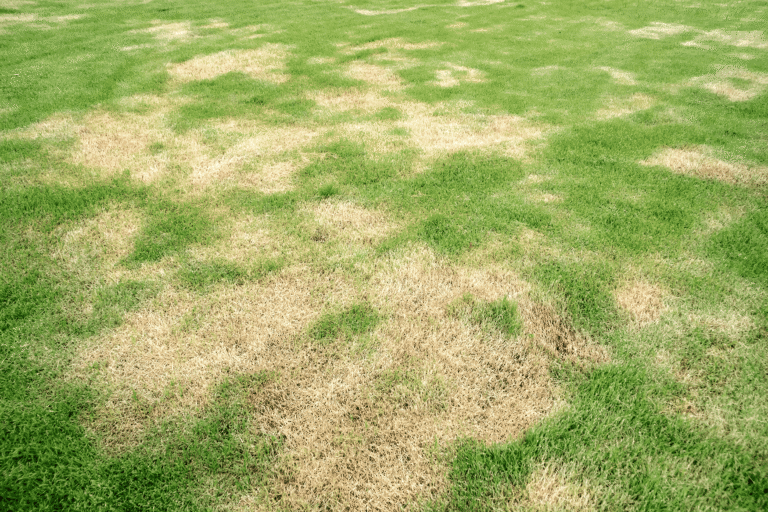
| Lawn still full of weeds after a season | Turf too thin or mowed too low | Raise mowing height, overseed, and feed the lawn |
| Mulch sprouting weeds | Layer too thin or seeds blew in | Top up to 2-3 inches and pull the few that appear |
Frequently Asked Questions
How do you stop weeds from growing naturally without chemicals?
The most effective natural method is growing a thick, healthy lawn through high mowing, proper fertilizing, and overseeding, which crowds weeds out by shading the soil (University of Maryland Extension, 2023). For weeds that still appear, hand pull them or spot-treat with vinegar.
Does vinegar actually kill weeds?
Yes, but with limits. Household 5% vinegar kills young annual weeds, while older or perennial weeds need 20% or higher acetic acid (Lawn Love citing Purdue Extension, 2025). Vinegar only burns the parts it touches and does not kill perennial roots, so the weed can regrow.
Will vinegar kill my grass too?
Yes. Vinegar is non-selective and damages any plant it contacts, including your lawn grass (Montana State University Extension, 2021). Apply it directly to the weed by painting or careful spot-spraying, never as a broadcast spray over turf.
What mowing height stops the most weeds?
For most cool-season lawns, 3 to 4 inches works best. MSU research found mowing at 4 inches with regular nitrogen reduced broadleaf weeds by 75% versus short mowing with no fertilizer (Turf & Rec / MSU, 2025). Taller grass shades out germinating weed seeds.
Does corn gluten meal really prevent weeds?
The evidence is mixed. Iowa State trials showed good control over several years, but Oregon State found no weed control at all in two years of trials (Oregon State University Extension, 2023). Maryland Extension does not recommend it for lawn weed control.
How long does natural weed control take to work?
Plan on a full growing season, not days. Building a dense lawn that suppresses weeds on its own takes consistent mowing, watering, and feeding over months. Spot methods like hand pulling and vinegar give faster results on individual weeds.
Quick Recap
- Grow thick turf and overseed bare spots, since dense grass is the best natural weed control there is.
- Mow tall, around 3 to 4 inches, and water deeply but less often to shade out and starve weed seeds.
- Hand pull tap-rooted weeds and bag seed heads while weeds are flowering.
- Spot-treat young weeds with vinegar, knowing it kills grass too and won’t touch perennial roots. After one full season of these habits, expect far fewer weeds without any synthetic herbicide.