Signs of Lawn Pest Damage: How to Spot It
TL;DR
- The most common signs of lawn pest damage are irregular brown patches, spongy turf that lifts like loose carpet, chewed or notched grass blades, and animals digging up your yard at night.
- White grubs feed on roots and make turf peel back like a rug; finding more than 10 grubs per square foot signals a real problem (University of Kentucky Extension).
- Chinch bugs cause drought-like browning in hot, sunny spots that does not green up after watering.
- Sod webworms and armyworms chew blades, leaving notched, ragged, or “frosted” grass, but the turf stays anchored.
- Confirm your suspect with two free tests: the tug test for grubs and the soapy-water flush for caterpillars before you treat anything.
What Does Lawn Pest Damage Look Like?
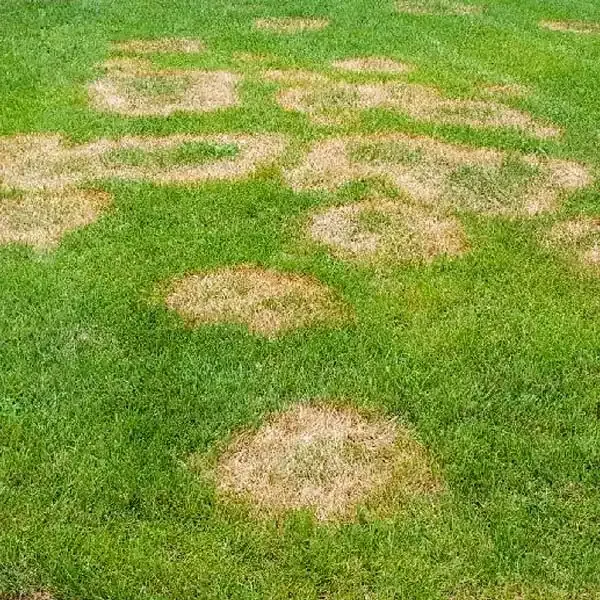
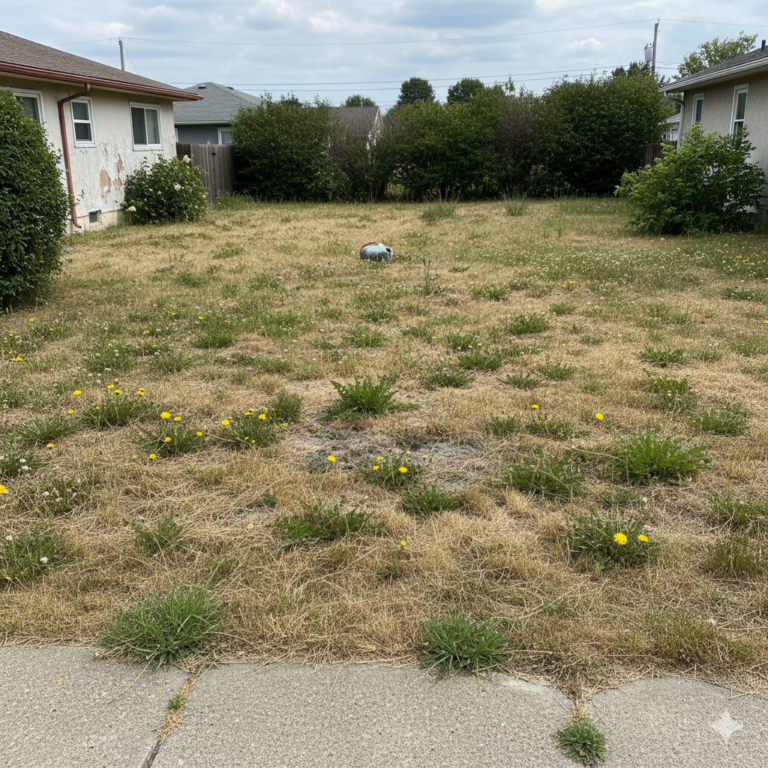
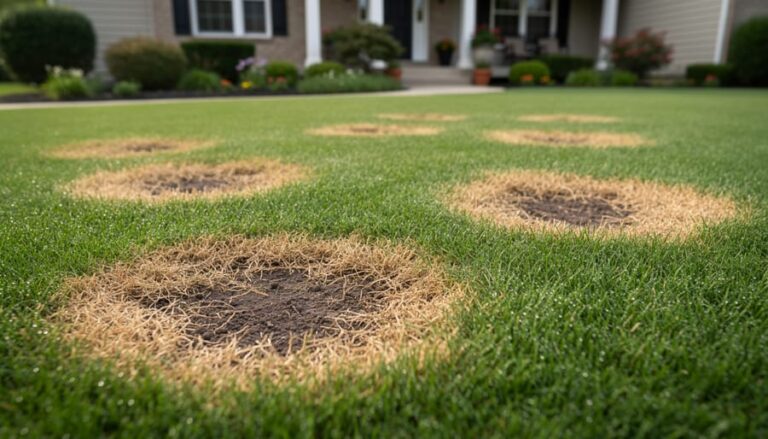
Lawn pest damage usually shows up as irregular brown or thinning patches that do not respond to watering and keep spreading over days or weeks. The shape matters: pest damage tends to be scattered and uneven, not the uniform browning you get from drought or a broken sprinkler head.
The tricky part is that several pests, a few diseases, and plain dry weather can all produce brown patches that look alike from across the yard. Drought stress usually affects the whole lawn evenly, while pest damage concentrates in specific zones, such as sunny edges or spots near garden beds. The reliable way to tell them apart is to get on your knees, part the grass, and look at the roots, the blades, and the soil underneath.
Three questions narrow it down fast. Does the turf pull up easily with no roots? Are the grass blades chewed or notched? Does the brown area stay brown even after a good soaking? Each answer points toward a different culprit, which the sections below break down.
| Pest | What the Damage Looks Like | Where and When | Turf Lifts Loose? |
|---|---|---|---|
| White grubs | Spongy patches, roots eaten, animal digging at night | Spring and late summer to fall | Yes, peels like carpet |
| Chinch bugs | Drought-like yellow-brown patches in hot, sunny spots | Late June to September, sunny edges | No |
| Sod webworms | Thinning, then notched or skeletonized blades, small patches | Summer, tan moths at dusk | No |
| Armyworms | Chewed blades, silvery “frosted” look, fast scalping | Mid-summer into fall, daytime feeding | No |
How Do You Tell Grub Damage From Other Lawn Problems?
Grub damage shows up as spongy, loose turf that you can roll back like a piece of carpet, because the larvae have eaten the roots that anchor the grass. White grubs are the larvae of beetles such as Japanese beetles and European chafers, and they feed underground from summer into fall (Penn State Extension).
The damage is most visible in spring (April and May) and again in late summer and fall (September and October), appearing as scattered, irregular dead patches that may suddenly wilt. Because the roots are gone, these patches do not green up no matter how much you water.
A second giveaway is night-time digging. Skunks, raccoons, crows, and moles tear up turf to eat the grubs underneath, often leaving peeled-back sections or small holes by morning (Penn State Extension). This animal digging can start even when grub numbers are below the level that would kill the turf on its own, so torn-up sod overnight is worth a closer look.
To confirm, use a spade to lift a one-square-foot piece of sod about 2 to 3 inches deep and count the white, C-shaped larvae in the soil and root zone. A healthy lawn tolerates a few grubs, but ten or more per square foot indicates a serious problem worth treating (University of Kentucky Extension).
How Do You Identify Chinch Bug Damage?
Chinch bug damage looks almost exactly like drought stress: yellowing patches that turn brown and die, concentrated in the hottest, sunniest parts of the lawn. The clearest tell is that the grass does not recover after watering, and overwatering can actually make it worse.
Chinch bugs are tiny surface feeders, about 1/6 inch long, that pierce grass blades and suck out the sap while injecting a toxin that kills the plant. They favor open, sunny turf and stressed areas along driveways, sidewalks, and fence lines that absorb heat, and they become active once temperatures reach about 65°F (UF/IFAS, 2023). In the South, they hit warm-season grasses like St. Augustine especially hard.
Here is a useful field check: push a finger into the soil under a brown patch. If the soil feels damp but the grass above is crispy and dead, you are likely dealing with chinch bugs rather than dry weather. The damage also expands outward in irregular patterns as the bugs move from dead grass into the healthy turf at the edges, so inspect the green grass bordering a dead patch, not just the dead center.
What Are the Signs of Sod Webworm and Armyworm Damage?
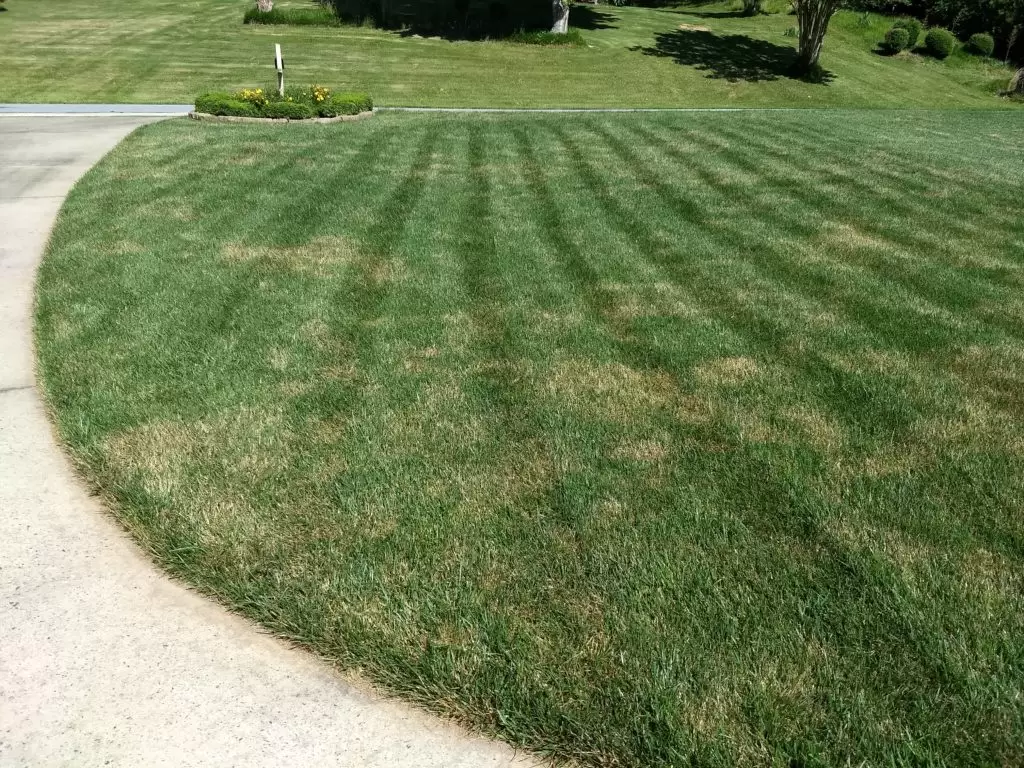
orms are caterpillars that chew grass blades, leaving notched, ragged, or skeletonized leaves and thinning patches, while the turf itself stays firmly rooted. This is the main difference from grubs: a heavy caterpillar infestation will not make your sod lift loose, because these pests eat the blades above ground, not the roots (Utah State University Extension, 2024).
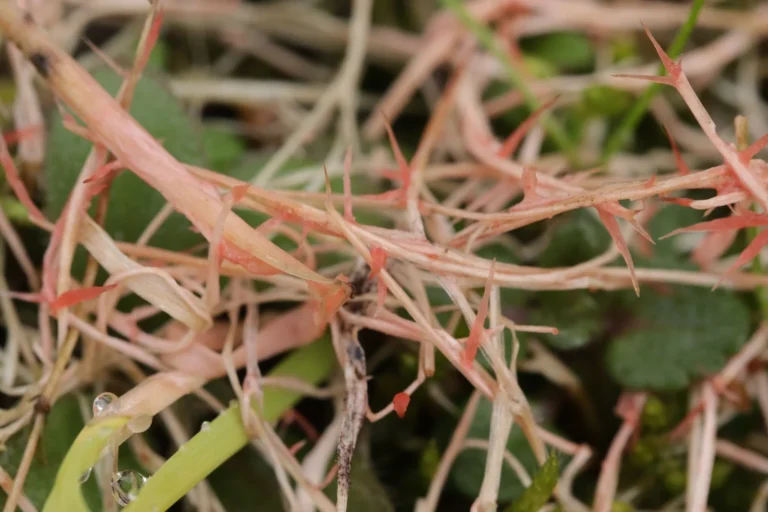
Sod webworm larvae clip grass off just above the crown, so damage starts as general thinning in a small area and grows into brown patches. When the caterpillars are small, they skeletonize the blade, eating soft tissue while leaving the veins. The adults are small tan moths that fly low across the lawn at dusk, so swarms of those moths are an early warning sign.
Armyworms feed during the day and can scalp a lawn in a matter of days. Newly hatched larvae eat the underside of blades and leave the top layer intact, which gives heavily infested grass a silvery, “frosted” look from the transparent window panes left behind. Look for green frass (droppings) near the soil and whitish, fuzzy egg masses on fences, posts, and walls near the lawn.
Common Mistakes That Make Pest Damage Worse
- Watering harder when the grass browns: with chinch bugs, more water does not fix the problem and can worsen it, since the issue is feeding damage, not drought.
- Treating before confirming the pest: applying insecticide to a brown patch that is actually disease, dog urine, or a dry spot wastes money and time, and the real cause keeps spreading.
- Inspecting only the dead center of a patch: chinch bugs and webworms have usually moved into the living grass at the edges, so the border is where you will find them.
- Assuming all brown patches are pests: drought, fungal disease, fertilizer burn, and compaction all mimic pest damage, so check roots and blades before deciding.
How to Confirm Lawn Pests With Two Simple Tests
Two free, low-effort tests separate root feeders from blade feeders before you spend a dollar on treatment.
The tug test checks for grubs. Grab a handful of brown grass at the edge of a damaged area and pull firmly. If the turf rolls back like loose carpet with no resistance, the roots are gone and grubs are the likely cause. If it holds firm, the problem is something else, such as a dry spot, dog urine, disease, or surface feeders (University of Kentucky Extension).
The soap flush test brings caterpillars to the surface. Mix about 2 tablespoons of liquid dish soap into 2 gallons of water and pour it over a one-square-foot or one-square-yard area at the edge of a damaged spot, then wait 5 to 10 minutes (Utah State University Extension, 2024). Sod webworms, armyworms, and chinch bugs will wriggle up out of the thatch where you can count them. Run the test in late afternoon or early evening when caterpillars are active, and check three to five spots to get an honest average before treating.
Frequently Asked Questions
What are the most common signs of lawn pest damage?
The most common signs are irregular brown or thinning patches that do not green up after watering, spongy turf that lifts easily, chewed or notched grass blades, and animals digging up the lawn at night. The pattern is usually scattered and uneven rather than the uniform browning of drought.
How can you tell grub damage from drought?
Grub damage produces loose turf that peels back like carpet because the roots are eaten, and it does not recover with watering. Drought affects the whole lawn more evenly and improves once you water. The tug test is the fastest way to check: if the grass lifts with no roots, suspect grubs (University of Kentucky Extension).
Why does my lawn stay brown even after I water it?
Brown grass that stays brown after a good soaking often points to chinch bugs or grubs rather than dry weather. Chinch bugs damage the blades and grubs destroy the roots, so neither problem is fixed by water, and overwatering chinch bug areas can make things worse.
How do you check for sod webworms or armyworms?
Pour a soap flush of about 2 tablespoons of dish soap in 2 gallons of water over a square-foot area at the edge of the damage and wait 5 to 10 minutes for the caterpillars to surface (Utah State University Extension, 2024). Inspecting in the evening helps, since these pests feed at night and hide during the day.
How many grubs per square foot is too many?
A healthy lawn tolerates a few grubs, but ten or more per square foot indicates a serious infestation worth treating (University of Kentucky Extension). Cut a one-square-foot piece of sod a couple of inches deep and count the white, C-shaped larvae in the soil and roots.
When is lawn pest damage most visible?
Grub damage is most evident in spring (April and May) and late summer to fall (September and October), while chinch bugs and caterpillars do the most visible damage during the hot, dry stretch from roughly late June through September (University of Kentucky Extension). Timing your inspection to these windows makes the signs easier to catch early.