Best Grass Seed for Your Area: Match It to Your Zone
There is no single best grass seed. The right bag is decided by three things before any brand name ever matters: your climate zone (cool-season, warm-season, or the transition zone between them), how many hours of direct sun the spot actually gets, and how the lawn gets used. This guide is written for a US audience, because grass seed selection runs entirely on US climate zones and the guidance of regional Cooperative Extension services. Skip the "premium" and "top rated" labels until you know which of the three zones you are buying for.
Start With Your Climate Zone, Not the Bag
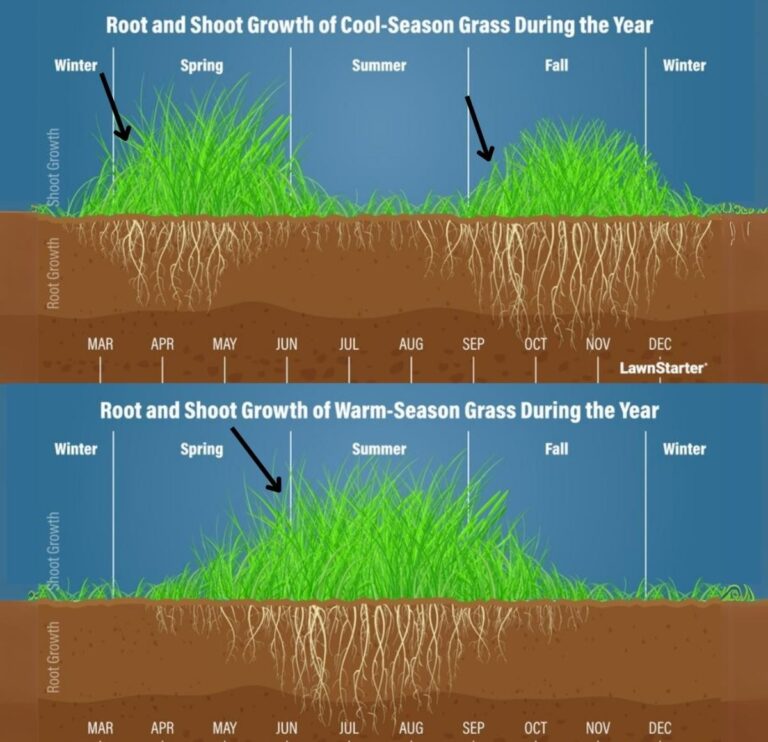
Every grass sold as lawn seed in the US falls into one of two families. Cool-season grasses (Kentucky bluegrass, tall fescue, perennial ryegrass, fine fescue) grow fastest in spring and fall and hold their color through winter, but struggle in summer heat. Warm-season grasses (bermudagrass, zoysia, centipede) do the opposite: they green up in late spring, thrive in summer heat, and go dormant and brown at the first hard frost.
Roughly speaking, the northern third of the country plants cool-season, the southern third plants warm-season, and the middle third sits in what turf specialists call the transition zone, where neither family is fully comfortable. If you have not already worked out which side of that line you are on, do that first. The guide to cool-season vs. warm-season grass walks through it region by region, and it is the decision that makes every seed choice below make sense instead of being a guess.
Cool-Season Grass Seed, By Species
Kentucky bluegrass spreads by underground rhizomes, which means it self-repairs after wear. That makes it a strong pick for a yard that takes real foot traffic, but it is also the slowest species to establish from seed and the least drought tolerant of the group.
Tall fescue is the workhorse of the cool-season lineup. It roots deeper than bluegrass, tolerates heat and drought better, and establishes faster from seed. Most modern "turf-type tall fescue" blends are bred specifically for lawns rather than pasture, and they are a reasonable default where you are not sure which cool-season species to plant.
Perennial ryegrass germinates the fastest of any lawn grass, often within about a week under good conditions, which is why it shows up in almost every mixed bag as a "nurse grass" to hold soil while slower species establish. On its own it is a bunch-type grass that does not spread to fill in gaps, so it is rarely the right choice as a lawn's only species.
Fine fescue grows slowly, needs the least water and fertilizer of the group, and is the most shade tolerant cool-season grass available. If the spot you are seeding gets more shade than sun, this is usually the species doing the actual work in a "shade mix" bag. The best grass for shade guide covers exactly how much shade is too much for any grass at all.
Warm-Season Grass Seed, By Species
Bermudagrass wants full, direct sun for most of the day, tolerates heat and drought better than almost anything else, and spreads aggressively by both rhizomes and stolons. It is genuinely one of the best warm-season lawns available for a sunny yard. It is also one of the worst choices sold for a shaded one: no seed blend or fertilizer schedule changes that.
Zoysia grows more slowly and densely than bermudagrass and tolerates moderate shade noticeably better, though it still wants a real amount of direct sun to thrive. It is more often established from sod or plugs than from seed, because zoysia seed is slower to germinate and less widely available than sod.
St. Augustinegrass, the best shade performer among warm-season grasses, is almost never sold as seed at all in the US. It is established from sod or plugs. If you are searching for "St. Augustine grass seed," it is worth knowing before you buy that this is normal, not a sign you are shopping in the wrong place.
Centipedegrass is the low-input option of the warm-season group: it wants less fertilizer and less mowing than bermuda or zoysia, and does best on acidic, sandy soils where other grasses struggle to establish.
If You Are in the Transition Zone, Read This Before You Buy Anything
The transition zone is genuinely the hardest place in the country to grow grass, because it sits between two climates that each want the opposite grass. Summers are often too hot and dry for cool-season species to hold up without stress, and winters are often too cold for warm-season species to survive without dieback. Tall fescue and zoysia are the two species most commonly recommended here because each tolerates the zone's off-season stress better than its family average, but neither one is a perfect answer, and a bag labeled for one coast is rarely tested for the middle of the country at all.
Matching Seed to Shade and Foot Traffic, Not Just Zone
Climate zone narrows the field to two or three species. Sun and use narrow it further. A backyard that gets full sun and sees kids and a dog every day wants a wear-tolerant species like Kentucky bluegrass or a dense tall fescue blend, not a shade-optimized fine fescue that will thin out under regular traffic. A side yard shaded by the house for most of the day wants the opposite trade: less traffic tolerance in exchange for actually staying green. If you are choosing between a full lawn conversion or just overseeding a struggling patch, sod versus seed covers which method fits which situation, and low-maintenance grass covers what changes if your priority is spending less time on the lawn rather than winning every traffic or shade trade-off.
The Information Gain: Read the Seed Tag, Not the Marketing
Every bag of grass seed sold legally in the US carries a required analysis tag, mandated under the federal Seed Act and the seed law of the state it is sold in, as administered by USDA's Agricultural Marketing Service. It lists the purity percentage of each species in the mix, the germination percentage, the percentage of "other crop" seed, the percentage of weed seed, any noxious weeds present by name, and the date the seed was tested. This tag tells you more than any word on the front of the bag.
A high purity percentage means less of the bag is filler. A high germination percentage, tested under near-ideal lab conditions, tells you what share of the seed is even capable of sprouting, though field conditions will usually do worse than the lab number. A recent test date matters because germination rates decline the longer seed sits in storage. None of this appears in the marketing copy, and all of it is required by law to appear on the tag. Turning the bag over before turning it face-up in the cart is the single highest-leverage five seconds of the whole buying decision.
How to Find Your Exact Zone
The broad cool-season, warm-season and transition-zone picture above is a starting point, not a final answer, because state and even county-level climate varies inside each of those bands. Your state's Cooperative Extension service publishes turf recommendations built for your specific region, usually down to which cultivars perform best in local trials, and it is a free, unbiased source that has no seed to sell you. Searching "[your state] cooperative extension turfgrass" is the fastest way to find it. If you are still not certain which grass is currently growing in your own yard, the grass identification guide is the place to start, since matching new seed to an existing lawn only works once you know what is already there.
FAQ
What is the best grass seed for a US lawn overall?
There isn't one. The right seed depends on your climate zone, the sun the area gets, and how the lawn is used. A cool-season lawn in Minnesota and a warm-season lawn in Florida have almost no overlap in what performs well.
Can I mix cool-season and warm-season grass seed together?
Generally, no. The two families want opposite growing seasons and opposite dormancy patterns, so mixing them produces a lawn where one type is always dormant while the other is trying to grow, rather than a lawn that performs well year-round.
How do I know if I'm in the transition zone?
Roughly the middle third of the country, from the mid-Atlantic across through parts of the southern Midwest and into the southern Plains, falls in the transition zone. Your state Cooperative Extension service can confirm your exact position relative to it.
Is a more expensive grass seed always a better choice?
Not automatically. Price often reflects the mix of species and the purity and germination numbers on the tag, which is exactly why reading the tag matters more than the price or the marketing claims on the front of the bag.
Do I need different seed for a shaded yard than a sunny one?
Yes. Shade tolerance varies sharply by species within both the cool-season and warm-season families, and a seed blend chosen for a sunny yard will typically thin out and fail in heavy shade regardless of how well it is watered or fertilized.