How to Get a Greener Lawn Without Expensive Products
TL;DR
- Most lawns look pale or patchy because of how they’re mowed and watered, not because they need expensive treatments.
- Returning grass clippings to the lawn instead of bagging them can supply up to 25% of your lawn’s total nitrogen needs at zero cost (University of Missouri Extension, 2023).
- A $15-$25 soil test from your local cooperative extension office tells you exactly what your lawn is missing before you spend a dollar on fertilizer.
- Watering 1 to 1.5 inches per week in one or two deep sessions builds deeper roots and produces darker, tougher grass than daily light watering.
- Raising your mowing height to 3 inches shades the soil, crowds out weeds, and keeps grass greener through summer heat stress.
Why Your Lawn Looks Dull Before You Buy Anything
A dull or thin lawn is almost always a management problem before it’s a product problem. The three biggest culprits are mowing too short, watering too often but too shallow, and throwing away free fertilizer every time you bag your clippings.
Fixing these habits costs nothing. They also happen to be what lawn care professionals do differently from the average homeowner. Before you spend money on treatments, it’s worth ruling out the basics – because spending $80 on a fertilizer application won’t help if the soil pH is off, the mower is scalping the grass, or you’re watering every day for five minutes.
Start With a Soil Test – It’s the Cheapest Move You Can Make
A soil test is the single most useful first step for getting a greener lawn, and it typically costs $15 to $25 through your local cooperative extension office. It tells you soil pH, nitrogen levels, and what amendments – if any – your lawn actually needs.
Why does pH matter so much? Keeping soil pH in the 6.0 to 7.0 range ensures nutrients remain soluble and accessible to the grass plant, as noted by Purdue University Extension. If your pH is outside that range, fertilizer you’re already applying may not be absorbing at all. Before you go out and buy fertilizers, supplements, or herbicides, check that an unfavorable soil pH is not the reason your grass is turning brown.
Penn State Extension recommends testing soil every three to five years to track the progress of fertilization and cultural practices. If your soil is too acidic, a bag of pelletized lime from Home Depot or Lowe’s costs about $10 to $15 and can shift things noticeably within a season.
The Mowing Habit That Makes the Biggest Difference
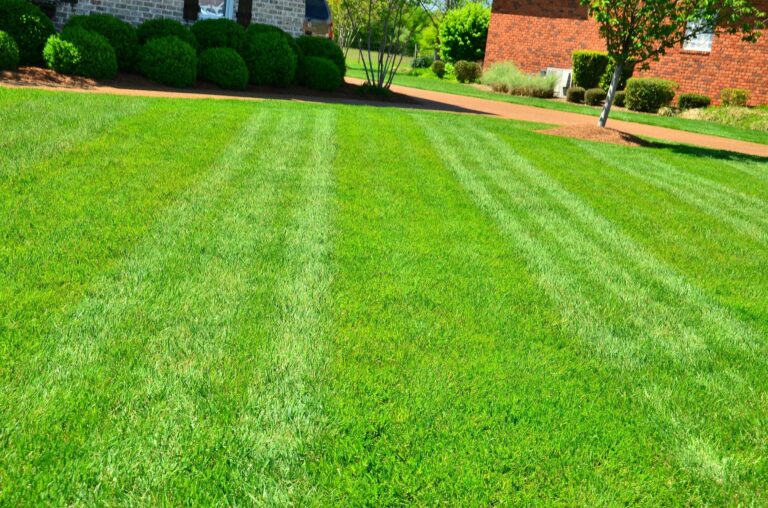
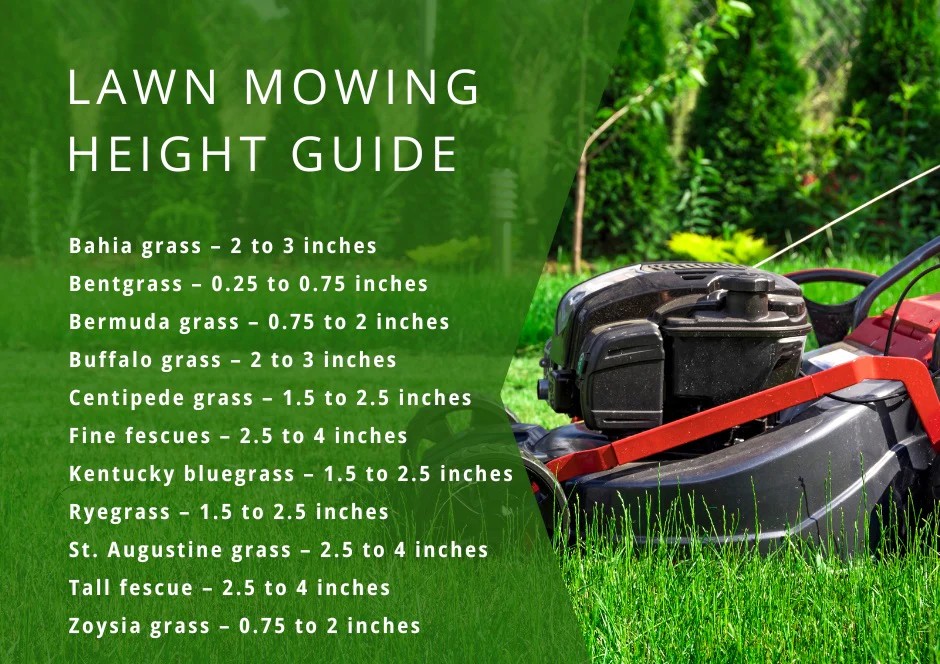
Mowing height is the most underrated factor in lawn color, and most homeowners mow too short. For most lawns, a mowing height between 2.5 and 3 inches is recommended. Lawns mowed at higher heights tend to have deeper roots, fewer weed problems, and look much better.
Taller grass shades the soil, which does two things: it keeps the ground cooler during summer heat, and it starves out weed seeds that need sunlight to germinate. Cutting short is like pulling the curtains open for weeds.
The other rule to follow is the one-third rule. The one-third rule states you should never remove more than one-third of your grass blade’s height in a single mowing. If your lawn measures 3 inches tall, cut off only 1 inch to leave 2 inches remaining. Cutting more than that stresses the plant and forces it to spend energy regrowing blade tissue instead of strengthening its roots.
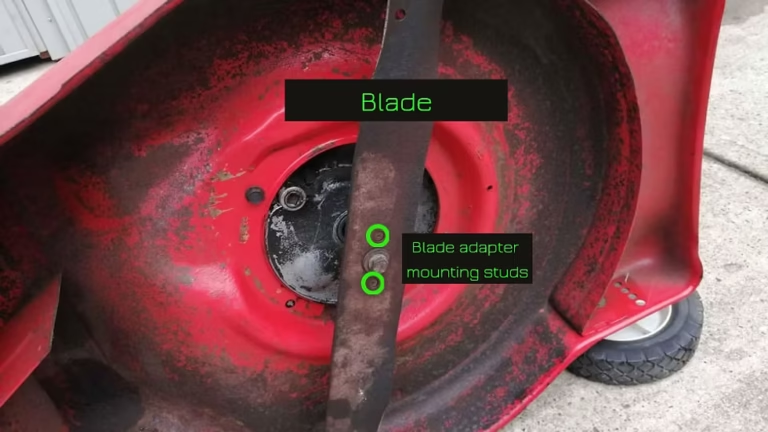
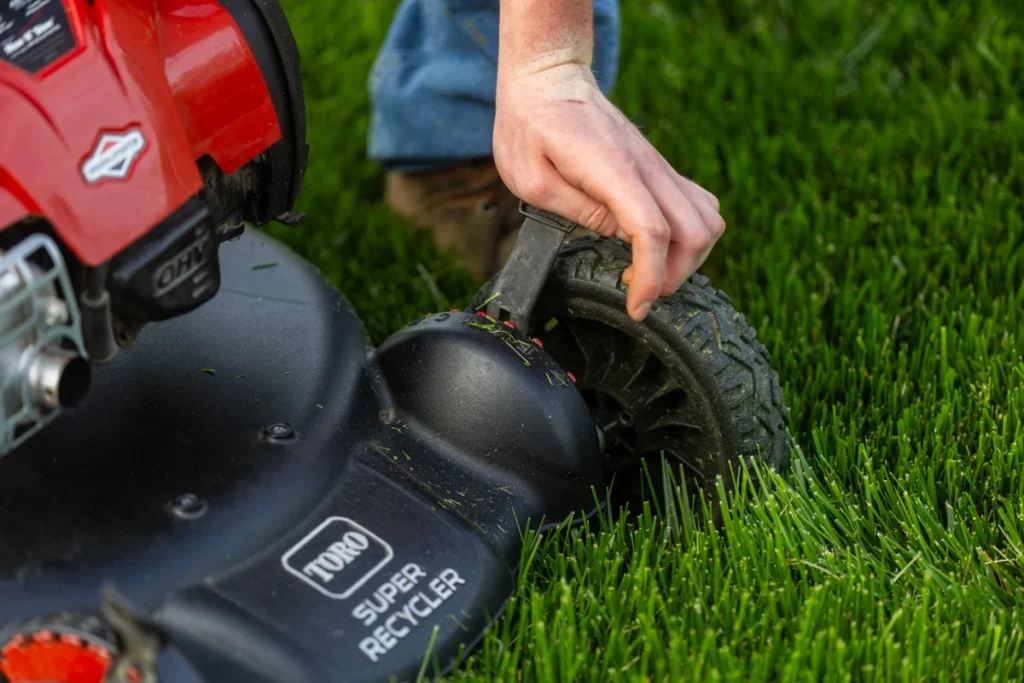
A sharp blade matters here too. A dull blade tears grass instead of cutting it clean, which leaves ragged tips that dry out and turn the lawn a dull tan color within a day or two of mowing. Sharpening your mower blade once per season – or after every 25 hours of use – takes about 20 minutes and costs nothing if you do it yourself.
Stop Bagging Your Clippings – They’re Free Fertilizer
Bagging grass clippings and sending them to the curb is one of the most common ways homeowners throw away free lawn nutrition. Grass clippings returned to the lawn provide up to 25% of your lawn’s total fertilizer needs. Clippings contain about 4% nitrogen, 2% potassium, and 1% phosphorus.
Where clippings are routinely removed, annual nitrogen fertilizer applications must be increased by about 25% to provide the same amount of nutrient. That’s money you’re paying at the garden center to replace what you’re already throwing away.
The concern most homeowners have – that clippings cause thatch – is wrong. Clippings readily decompose because they contain 75 to 80% water, and they do not cause thatch. As long as you’re following the one-third rule and not letting the grass get too long between mowings, clippings will filter down into the turf and disappear within a day or two.
How You Water Matters More Than How Often You Water
Shallow daily watering is one of the main reasons lawns look weak and pale through summer. It trains grass roots to stay near the surface, where they’re exposed to heat and dry out fast. Most lawns need 1 to 1.5 inches of water per week, either from rain or watering, to soak the soil 6 to 8 inches deep where turfgrass roots grow.
That water is better delivered in one or two sessions per week than in small daily doses. Deep, infrequent watering drives roots downward, and deeper roots produce darker, more resilient grass. Watering in the morning, before 10 a.m., is the best time – it’s cooler and winds tend to be calmer, so water soaks into the soil before evaporation can pull it away.
A simple way to measure output: set an empty tuna can on your lawn while the sprinkler runs. When the can fills to an inch, that’s enough for the week.
What These Changes Cost vs. What They Deliver
| Action | Cost | What It Does for Color and Health |
|---|---|---|
| Raise mowing height to 3 inches | $0 | Reduces heat stress, shades out weeds, improves density |
| Follow one-third mowing rule | $0 | Prevents stress, supports root depth, maintains green color |
| Stop bagging clippings | $0 | Returns up to 25% of nitrogen needs (MU Extension, 2023) |
| Water 1-1.5 in/week, 1-2 sessions | $0 | Builds deeper roots, improves drought resistance |
| Soil test (co-op extension) | $15-$25 | Identifies pH and deficiency before you spend on fertilizer |
| Pelletized lime (if pH is low) | $10-$15/bag | Corrects acidic soil, restores nutrient availability |
| Blade sharpening (DIY) | $0-$10 | Produces clean cuts, prevents tip browning |
Common Mistakes That Cost You More in the Long Run
Scalping the lawn in spring to “start fresh” is one of the most damaging things you can do. Cutting grass down to an inch or two in early spring removes the leaf tissue the plant needs to photosynthesize and recover. It also exposes bare soil where weeds will move in fast.
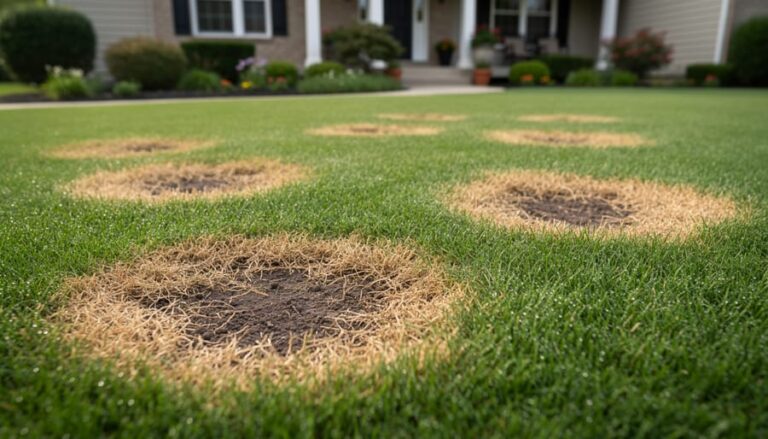
Watering every evening is another mistake that feels helpful but creates problems. Wet grass blades overnight are an invitation for fungal diseases like brown patch and dollar spot. Morning is the right window.
Applying fertilizer to a dry, stressed lawn in midsummer is also money wasted. High concentrations of nutrients draw moisture out of the soil when conditions are dry. Wait until the lawn is actively growing and well-watered before fertilizing.
Frequently Asked Questions
How do I get my grass greener without buying fertilizer?
Return your grass clippings to the lawn every time you mow instead of bagging them. Per University of Missouri Extension, clippings supply up to 25% of your lawn’s nitrogen needs for free. Raise your mowing height to 3 inches and water deeply once or twice a week. These changes alone can produce noticeably greener grass within a few weeks.
What is the cheapest way to improve lawn color?
The cheapest change is adjusting your mowing height and stopping clipping collection – both cost nothing. If you want to take it further, a cooperative extension soil test runs $15 to $25 and tells you exactly whether lime or a specific fertilizer is needed, so you’re not guessing at the garden center.
Does watering more make grass greener?
Watering more frequently does not make grass greener – watering more deeply does. Daily light watering produces shallow roots that dry out fast and produce pale, thin grass. Aim for 1 to 1.5 inches per week in one or two sessions, delivered early in the morning before 10 a.m. (Scotts, 2024).
How often should I mow for the greenest lawn?
Mow often enough that you never remove more than one-third of the blade height in a single session. During spring growth spurts, that may mean mowing every 4 to 5 days. During summer heat, once a week or less is usually fine. Mowing too infrequently and then cutting hard all at once stresses the lawn more than anything else.
Will raising my mowing height really reduce weeds?
Yes. Taller grass shades the soil surface, which prevents weed seeds from getting the sunlight they need to germinate. Per Illinois Extension, lawns mowed at higher heights consistently show fewer weed problems than those kept short. This is one of the most well-documented relationships in turfgrass management.
Can I use coffee grounds or compost instead of fertilizer?
Compost is a legitimate, low-cost option for adding organic matter and slow-release nutrients. A thin top-dressing of finished compost in the fall – about a quarter inch spread evenly – adds organic matter, feeds soil microbes, and improves water retention over time. Coffee grounds in small amounts add some nitrogen, but they’re acidic and should be used sparingly if your pH is already on the low side.