When to Stop Watering Lawn in Fall, by Grass Type
The honest answer to when to stop watering lawn in fall is that it depends on your grass type, not the calendar. A cool-season lawn (Kentucky bluegrass, tall fescue, perennial ryegrass) is building roots in fall and should keep getting water during dry spells until the ground freezes. A warm-season lawn (Bermudagrass, zoysiagrass, St. Augustinegrass, centipedegrass) should be tapered off as it slows down and then mostly left alone once it goes dormant. Rain, frost dates and local water rules move the exact week, so watch the lawn and the soil instead of a fixed date.
Why There Is No Single Shutoff Date
Most people turn the sprinkler off in fall because it feels like the season for it. The problem is that the two main families of lawn grass are doing opposite things at the same time.
Cool-season grasses do their best growing in the cool weather of spring and fall. In fall, the top growth slows, but the roots and crowns are still active and storing energy for winter. Cutting off water during a dry fall stresses the grass at exactly the moment it is trying to recover from summer.
Warm-season grasses grow hardest in summer heat. As nights cool, they slow down and head toward winter dormancy, turning tan until spring. A dormant warm-season lawn uses very little water, so running a summer schedule into late fall mostly wets the soil without helping the grass.
If you are not sure which family you have, the difference between cool-season and warm-season grass explains how to tell, and it changes every answer below.
When to Stop Watering Lawn in Fall: Cool-Season Grass
For Kentucky bluegrass, tall fescue, fine fescues and perennial ryegrass, the goal is to go into winter with moist soil, not dry soil.
Keep watering while:
- Fall rain is not keeping the soil moist.
- The grass is still green and you are still mowing.
- The soil is not frozen and can take in water.
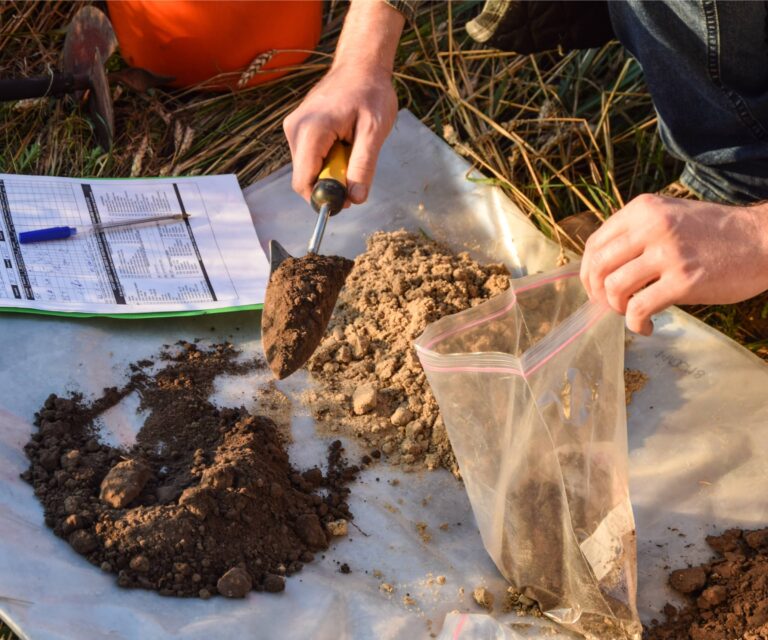
Taper, don't stop cold. As temperatures drop, the lawn loses less water each day, so the same amount of water lasts longer. Water less often rather than cutting it off in one move. Check the soil with a screwdriver or a trowel: if it is moist a few inches down, skip the cycle.
The real end point is frozen ground. Once the top of the soil freezes, water cannot soak in, and anything you apply runs off or turns to ice. That is the natural stopping point for an in-ground system in a cold climate.
Dry winters are the exception. In regions with dry, open winters and little snow, established lawns may need occasional water even after the main season ends. Colorado State University Extension's Fact Sheet 7.211, "Fall and Winter Watering" by J.E. Klett and R. Cox (read on 2026-09-27 at CSU Extension), says newly established lawns, whether seeded or sodded, are especially susceptible to winter damage, and that lawns facing south or west are more at risk. It advises watering only when air temperatures are above 40 degrees F, applying water at midday so it can soak in before a possible freeze at night, and watering during extended dry periods without snow cover, about once or twice a month.
That guidance is written for Colorado's climate. In a region with regular winter rain or steady snow cover, you may not need winter watering at all. Your local Cooperative Extension office is the right place to check what applies where you live.
When to Stop Watering Lawn in Fall: Warm-Season Grass
For Bermudagrass, zoysiagrass, St. Augustinegrass and centipedegrass, the fall job is to follow the grass down into dormancy.
While it is still green and growing, keep watering during dry weather, but less than in summer. Cooler days mean the lawn uses less water, so a summer schedule left running in October often overwaters.
As it browns into dormancy, turn the automatic schedule off or cut it back sharply. Texas A&M AgriLife Extension's "Bermudagrass Home Lawn Management Calendar" by Casey Reynolds and Matt Elmore (read on 2026-09-27 at AgriLife Extension) is direct about it: "Irrigate only during the growing season months. Don't irrigate during the late fall, winter, or early spring when bermudagrass is dormant, plant ET rates are low, temperatures are cool, or when rainfall is occurring." It also says it is important to turn off, or significantly reduce, irrigation from late fall to early spring, and notes that parts of southern Texas where grass stays partly active year-round are an exception.
In very dry, warm winters, a long rainless stretch can still dry out dormant turf, especially on sandy soil. Where that happens, an occasional deep watering during a prolonged drought is reasonable, but it is a response to conditions, not a schedule.
If your lawn is overseeded with ryegrass for winter color, it is no longer a dormant lawn. The ryegrass is a cool-season grass actively growing on top, and it needs water through winter like any other growing lawn.
Transition Zone Lawns
Across the middle of the country, where both grass families are grown, the answer depends on what is actually in your yard. A tall fescue lawn in Tennessee follows the cool-season rules. A zoysia lawn two streets over follows the warm-season rules. Mixed lawns with both grasses are harder: water for the cool-season grass during dry fall weather, and accept that the warm-season patches will go tan regardless.
Signals That Tell You It Is Time
Instead of a date, watch for these:
| Signal | Cool-season lawn | Warm-season lawn |
|---|---|---|
| Nights turning cool | Keep watering if dry; roots are active | Start cutting back |
| Grass turning tan | Not normal in fall; check for stress | Normal dormancy; stop scheduled watering |
| Mowing has stopped | Reduce, keep an eye on soil moisture | Watering is rarely needed |
| Soil freezing at the surface | Stop; water cannot soak in | Stop |
| Long dry spell with no snow | Occasional water may help, especially new lawns | Occasional deep water only in prolonged drought |
| Local water restrictions begin | Follow the rules | Follow the rules |
Your last mowing is a useful companion signal. The guide to when to stop mowing your lawn before winter uses the same growth cues, and the two jobs usually wind down together.
What Happens If You Stop Too Early
On a cool-season lawn, shutting off water in early fall during a dry spell can cause:
- Weaker roots going into winter. Fall is when these grasses recover from summer. A dry fall cuts that short.
- Winter drying. Where winters are dry and windy, grass without soil moisture can lose water from its crowns and come out of winter thin or dead in patches, especially on south and west exposures, which is the pattern CSU describes.
- Failed fall seeding. New seed and young sod have almost no root system. If you overseeded or laid sod this fall, those areas need consistent moisture until they are established. See when to overseed lawn in fall for how fall seeding timing and watering fit together.
What Happens If You Keep Watering Too Long
Overdoing it has its own costs:
- Wasted water on a lawn that is not using it. A dormant warm-season lawn or a cool-season lawn in cold weather draws very little.
- Disease pressure. Cool, constantly wet turf and wet thatch favor several fungal lawn diseases. Watering on a summer schedule into late fall creates those conditions.
- Ice and runoff. Water applied to frozen or nearly frozen soil does not soak in. It runs to low spots, sidewalks and driveways, where it can freeze.
- Damage to the system. An in-ground system left running into hard freezes risks frozen lines and heads. Shutting down and winterizing is a job for your installer or the manufacturer's instructions, and local water utilities sometimes set shutoff dates of their own.
A Tan Lawn in Fall Is Not Always a Thirsty Lawn
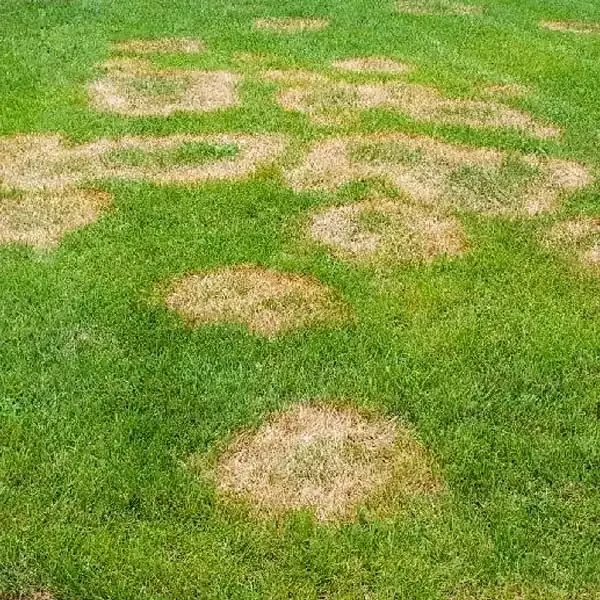
Before adding water to a lawn that has gone brown in fall, figure out why. A warm-season lawn turning tan after cool nights is almost always going dormant, and water will not green it up. A cool-season lawn browning in fall is less normal and worth a closer look. The guide is my grass dormant or dead walks through the test that tells the two apart. If browning spreads in rings, patches or unusual colors, take photos or a sample to your local Cooperative Extension office, because that pattern points to something other than water.
A Simple Fall Watering Plan
- Identify your grass family.
- Keep watering during dry spells while the grass is actively growing.
- Water less often as days cool, and check soil moisture before each cycle.
- Warm-season: stop scheduled watering once the lawn is dormant.
- Cool-season: stop when the soil freezes, and in dry-winter regions follow local extension guidance on occasional winter watering.
- Give new seed and sod extra attention until they are established.
FAQ
Should I stop watering my lawn after the first frost?
Not necessarily. A light frost does not mean the soil is frozen, and cool-season grass keeps working after early frosts. For warm-season grass, the first frosts usually push it into dormancy, which is a good time to turn the schedule off.
How often should I water a cool-season lawn in fall?
It depends on rain, soil and temperature. Water less often as it cools, and check the soil a few inches down before each cycle. If it is still moist, skip it.
Do I need to water a dormant Bermudagrass lawn in winter?
Usually not. Texas A&M AgriLife Extension advises against irrigating dormant Bermudagrass in late fall, winter and early spring. In long, dry, warm spells on sandy soil, an occasional deep watering may be justified.
Can I water my lawn in winter?
In dry-winter regions, sometimes. Colorado State University Extension suggests watering only when air temperatures are above 40 degrees F, at midday, during extended dry periods without snow cover. In wetter climates, winter watering is rarely needed.
Is it bad to keep watering in November?
It is bad if the grass is dormant or the soil is cold and wet, because the water is not used and wet turf favors disease. It can be fine for a cool-season lawn in a dry, mild November where the soil has not frozen.