Why Grass Recovery Is So Slow: What’s Holding Your Lawn Back
TL;DR
- Grass recovery is slow because seed germination alone takes 5 to 30 days depending on type, and full fill-in often takes a full season or two.
- Kentucky bluegrass is the slowest common cool-season grass at 14 to 28 days to germinate, while perennial ryegrass sprouts in 5 to 7 days.
- Soil temperature is the biggest hidden factor: cool-season seed sits dormant below 50°F and won’t sprout no matter how much you water.
- Compacted soil, low nitrogen, mowing too short, and foot traffic all stall recovery even after seed germinates.
- Patience plus the right fixes (loosening soil, correct watering, matched seed) beats reseeding over and over.
Why Does Grass Take So Long to Recover?
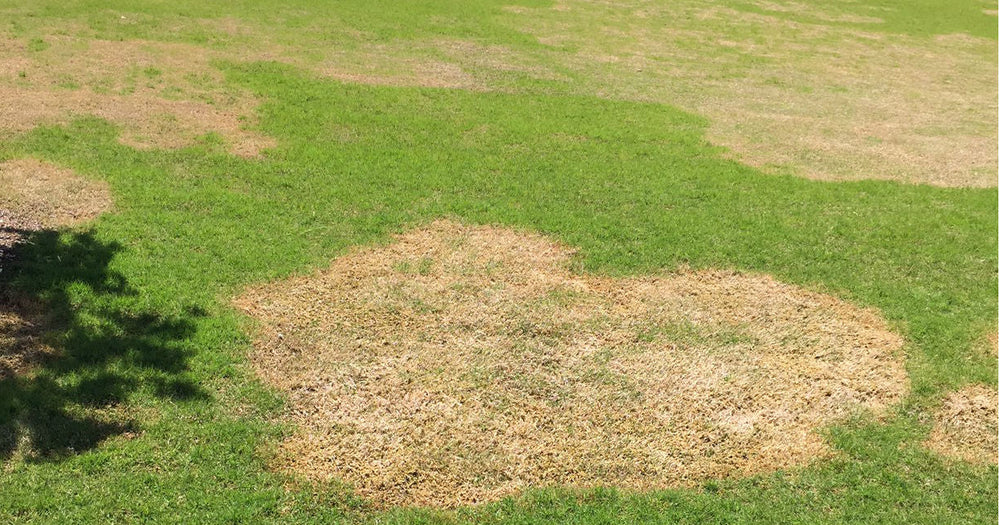
Grass recovers slowly because three separate slow processes have to happen in order: the seed has to germinate, the seedling has to grow roots, and the plant has to spread to fill the gap. Each stage runs on its own clock, and none of them can be rushed past a certain point.
Germination is just the start. Most lawn grass seed takes 5 to 30 days just to sprout, and that’s only the first green shoot, not a filled-in patch. After that, the new grass needs weeks more to build a root system deep enough to survive heat and traffic.
For a damaged patch to actually disappear, surrounding grass also has to creep in or new seedlings have to mature. That part often takes one to two growing seasons for a thick, even result, which is why a spot you seeded in April may still look thin in July.
How Long Does Grass Recovery Actually Take by Type?
Recovery time depends heavily on your grass type, because germination speed varies widely between species. Perennial ryegrass is the fastest common lawn grass and can show green in as few as 5 days, while Kentucky bluegrass can take up to 28 days just to sprout.
That gap matters. If you seeded a bluegrass patch and it looks bare after two weeks, the seed is most likely still working underground, not dead. Larger seeds like tall fescue carry more stored energy and germinate faster than the tiny, low-energy seeds of Kentucky bluegrass.
Here’s how the common types compare on germination alone, before any fill-in time.
| Grass Type | Germination Time | Best Use |
|---|---|---|
| Perennial ryegrass | 5 – 7 days | Fast patch repair, high-traffic lawns |
| Tall fescue | 7 – 14 days | Sun or shade, deep roots, drought tolerance |
| Fine fescue | 10 – 14 days | Shade, but sensitive to drying out |
| Kentucky bluegrass | 14 – 28 days | Dense, self-repairing turf, but slow to start |
| Bermuda grass | 10 – 30 days | Warm climates, aggressive spreader once established |
Why Won’t My Grass Seed Sprout Even After Weeks?
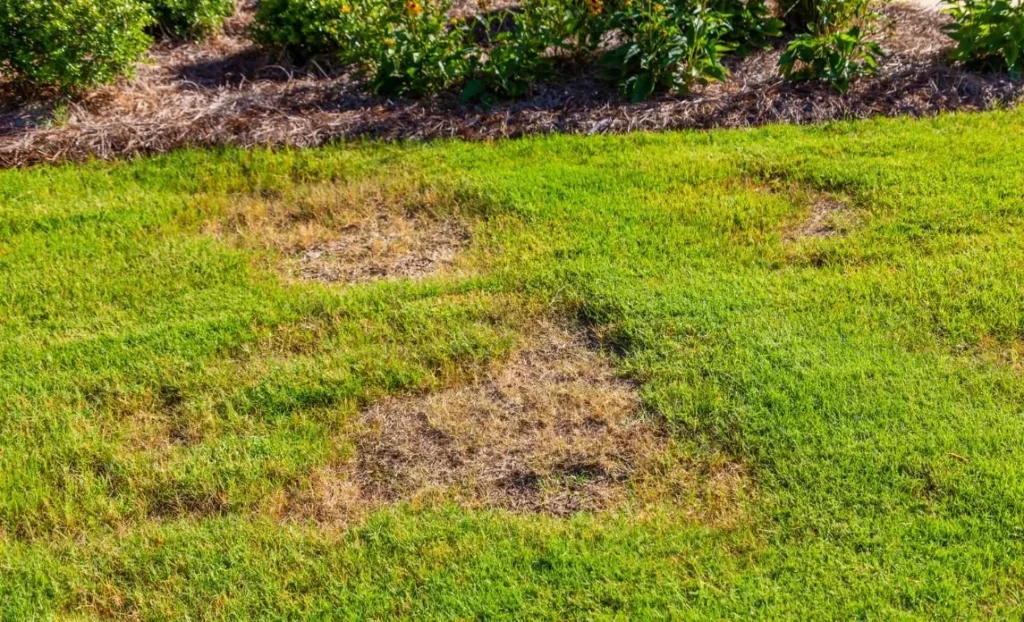
The most common reason seed sits without sprouting is soil temperature being outside the right range for your grass type. Cool-season grasses germinate reliably at 50°F to 65°F soil temperature, and warm-season grasses need 65°F to 75°F.
Below that threshold, seed doesn’t die. It waits. Seeds stay viable in the soil and simply hold until the soil warms enough to trigger growth, which is why a cold-spring seeding can look like a total failure for weeks before it suddenly greens up.
Use a soil thermometer at about 2 inches deep to check before you blame the seed. In much of the Central Plains, soil doesn’t reach 55°F until mid-April and 65°F until mid-May. Seeding before then almost guarantees a slow, frustrating start.
The other germination killer is moisture. The soil surface has to stay damp, not soaked, for the entire germination window. If you let it dry out for even a day during that stretch, you reset or kill the seedlings, especially with fine fescue.
What Slows Recovery After the Grass Has Sprouted?
Even after germination, recovery stalls when the soil or your habits work against the new grass. The usual culprits are compacted soil, low nitrogen, mowing too short, and foot traffic on a patch that’s still establishing.
Compacted soil is a frequent hidden cause. Tight soil chokes off the air and water roots need, so the grass growth process slows and spreading becomes far less effective. Walking on a stressed or recovering lawn compacts it further and damages delicate new shoots.
Nutrient shortage is another. New grass needs nitrogen to push growth, but timing matters. Hold off on fertilizer until the grass has begun actively growing, then feed with a slow-release, nitrogen-rich product so you encourage roots without burning young seedlings.
Mowing habits play in too. Cutting more than one-third of the blade at once stresses grass and weakens it, and a dull blade tears grass like a butter knife instead of slicing it clean. Both slow down a lawn that’s trying to recover.
Why Do Warm-Season Lawns Like Zoysia Recover So Slowly?
Warm-season grasses recover slowly because many of them rebuild from underground stems rather than spreading fast at the surface, and some are simply built to take their time. Zoysiagrass is the classic example: slow recovery is a known characteristic of the species (UGA Extension).
After drought damage, zoysia greens up only when new shoots emerge from below-ground rhizomes once rain and warmth return. That regrowth can take three to four weeks just to start showing, and full fill-in takes much longer (UGA Extension).
Bermuda grass sits at the other end. It spreads quickly and aggressively through runners, which makes it one of the better warm-season choices for filling damaged areas on its own. St. Augustine creeps more steadily, building thick turf over a longer stretch of time.
Common Mistakes That Make Recovery Even Slower
- Reseeding too early: Giving up and reseeding before the germination window has fully passed wastes seed and money. A Kentucky bluegrass patch needs the full 28 days before you judge it.
- Seeding when soil is too cold: Planting cool-season seed before soil hits 50°F leaves it dormant for weeks. Check soil temperature at 2 inches first.
- Letting the surface dry out: Skipping water for even a day during germination can kill seedlings, so keep the top layer consistently damp until the grass is established.
- Fertilizing too soon: Feeding before the grass is actively growing can burn young shoots. Wait for visible growth, then use a slow-release nitrogen feed.
- Walking on the patch: Foot traffic on recovering turf compacts soil and crushes new shoots, undoing your progress.
Frequently Asked Questions
How long does it take for grass to fully recover and fill in?
For a thin spot, expect several weeks for seed to mature and one to two full growing seasons for thick, even coverage. Grass plugs can fill a small area in up to three months, faster than seed in many cases.
Why is my grass growing back so slowly in spring?
Cold soil is usually the reason. Cool-season seed won’t sprout reliably until soil reaches 50°F to 65°F at 2 inches deep, and in many regions that’s not until mid-April or later.
How much faster does grass seed germinate in warm soil?
A lot faster. Perennial ryegrass can sprout in 5 days in ideal soil, while the same seed in cold soil can take two or three times as long, if it sprouts at all before going dormant.
Can I speed up grass recovery without reseeding?
Yes, for small spots. A dead patch smaller than your fist will usually fill in on its own from surrounding grass in a few weeks. Loosening compacted soil, watering correctly, and easing off mowing all help.
Should I use seed or sod for faster recovery?
Sod re-greens a patch almost immediately, while seed can take two months or more to fill a dead spot. Seed costs far less and builds a stronger long-term root system, so it comes down to how fast you need the lawn back.
Why won’t bare spots fill in even after a full season?
Poor underlying conditions are usually to blame. Compacted soil, low fertility, pests, or disease all slow the spreading process, so the grass can’t creep in to close the gap until you fix the root cause.