Common Lawn Mowing Mistakes
TL;DR
- The single most damaging mowing mistake is cutting grass too short; the University of Maryland Extension links proper mowing height to a 50-80% reduction in weeds and disease in tall fescue lawns.
- Never remove more than one-third of the blade height in a single mow – that’s the one-third rule, backed by USDA turf research and recommended by every major university extension program.
- Dull blades tear grass instead of cutting it, leaving ragged brown tips and opening the door to disease; Purdue University Extension recommends sharpening at least twice per season.
- Mowing wet grass, mowing in the same direction every week, and skipping clippings management are all mistakes that compound over time.
- Most of these fixes take five minutes or less and cost nothing.
What Counts as a Lawn Mowing Mistake?
credit: https://www.slashgear.com/
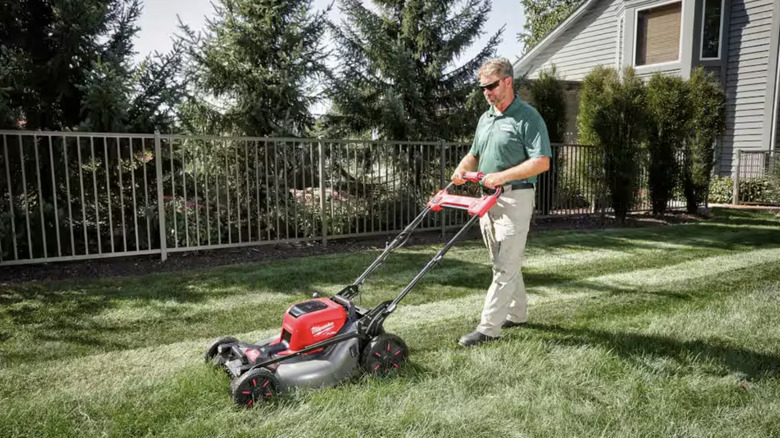
A lawn mowing mistake is any habit that adds physical stress to grass plants, invites weeds or disease, or leaves the lawn in worse shape than before you started. Most of them don’t kill a lawn overnight – they wear it down slowly, season after season.
The good news: every mistake on this list is correctable. You don’t need new equipment or a lawn care service. You just need to know what you’re doing wrong.
Cutting the Grass Too Short
Mowing too short is the most common and most damaging mistake homeowners make. Cutting grass below its recommended height removes the leaf surface the plant uses to photosynthesize, forces shallow root development, and creates bare soil where crabgrass and other weeds move right in.
The University of Maryland Extension found that maintaining proper mowing height reduces weeds and diseases by 50-80% in tall fescue lawns (University of Maryland Extension, 2024). That’s not a trivial number.
For most US home lawns, the right height depends on grass type:
| Grass Type | Recommended Mowing Height | Mow When It Reaches |
|---|---|---|
| Kentucky bluegrass | 2-3 inches | 3-4.5 inches |
| Tall fescue | 3-4 inches | 4.5-6 inches |
| Bermudagrass | 1-1.5 inches | 1.5-2.25 inches |
| Zoysiagrass | 1-2 inches | 1.5-3 inches |
| Perennial ryegrass | 2-3 inches | 3-4.5 inches |
| Buffalograss | 2-3 inches | 3-4.5 inches |
Sources: Kansas State University Extension, 2024; University of Nebraska-Lincoln Extension, 2024
A safe rule for any grass: set your deck at 3 inches for a summer mow. Grass mowed taller shades the soil, holds moisture longer, and crowds out weed seeds before they can germinate.
Breaking the One-Third Rule
The one-third rule says you should never remove more than one-third of the grass blade’s height in a single mowing session. Kansas State University Extension puts it plainly: removing more than one-third of the grass blade may cause root growth to stop entirely while the plant works to regrow leaf tissue (Kansas State University Extension, 2024).
In practice this means: if you’re maintaining grass at 3 inches, mow when it reaches 4.5 inches – not when it hits 6 or 7.
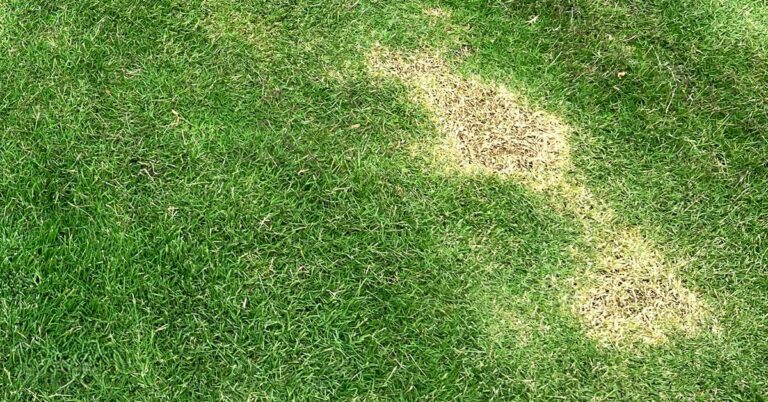
Letting grass get too tall between mowings and then cutting it back hard in one pass is called scalping. The visual result is brown, exposed soil. The biological result is a weakened root system that’s more vulnerable to summer heat and drought.
If you’ve let the lawn get away from you, don’t cut it all back at once. Mow at the highest deck setting, wait two to three days, lower one step, mow again. Repeat until you’re back to your target height.
Using a Dull Blade
A sharp blade cuts grass cleanly. A dull blade tears it – and there’s a real difference in how the lawn recovers from each.
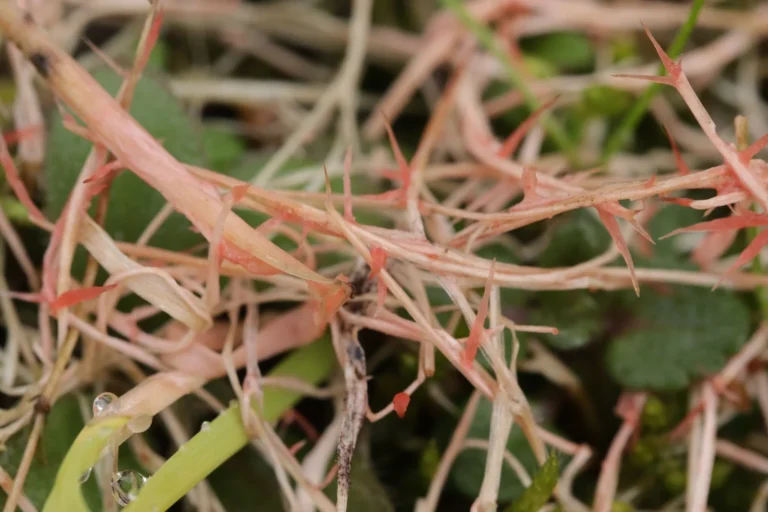
When a blade tears grass instead of slicing it, it leaves ragged, shredded tips that turn brown within a day or two. Purdue University Turfgrass Extension explains that this torn tissue loses more water and is far more open to disease pathogens than cleanly cut grass (Purdue University Extension, 2019). If you’ve ever looked across a lawn and noticed a faint whitish cast, that’s dull-blade damage showing up at scale.
Purdue recommends homeowners sharpen blades at least twice per growing season, with professional operations sharpening weekly or monthly depending on volume (Purdue University Extension, 2019). LawnStarter and LawnLove put the general interval at every 25 hours of mowing time.
The practical move: buy two sets of blades. Sharpen both over winter. Swap in a fresh blade at the start of spring, then switch when the lawn starts looking ragged rather than cleanly cut.
Mowing Wet Grass
Wet grass mows badly in almost every way. It sticks to the deck in clumps, gets pushed sideways by the blade instead of standing up to be cut, and delivers an uneven result. Grass clippings mat together in heavy piles that smother the turf underneath if left sitting.
There’s also a fungal disease angle. Wet conditions favor the spread of lawn diseases, and mowing wet grass moves contaminated clippings from infected areas to healthy ones.
Wait until the grass is dry before mowing. Early afternoon – once the morning dew has lifted but before the hottest part of the day – is usually the right window. In summer, avoid mowing during peak heat (typically 11 a.m. to 3 p.m.) because that adds heat stress on top of the cutting stress.
Always Mowing in the Same Direction
credit: https://evbn.org/
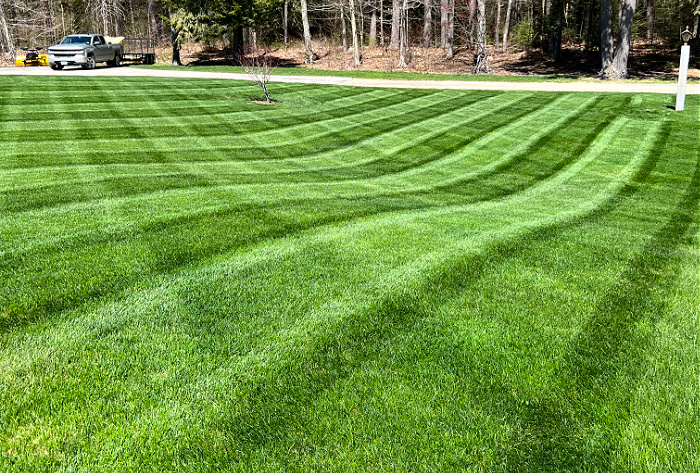
Mowing the same pattern every week causes two specific problems: soil compaction along your wheel tracks, and grass blades that lean in one direction instead of standing upright.
Compacted soil in those wheel tracks becomes harder for water and nutrients to penetrate. Over time, ruts form. Those ruts collect water and become breeding grounds for disease. The grass in those channels also gets more stressed than the rest of the lawn.
The fix is simple: rotate your mowing direction each time you mow. If you went north-south last week, go east-west this week. Throw in a diagonal pass occasionally. Your striping pattern will look better too.
Bagging All Your Clippings
Grass clippings are free fertilizer. Leaving them on the lawn after mowing – a practice called grasscycling – returns nitrogen, phosphorus, and potassium back to the soil as the clippings break down.
Illinois Extension notes that clippings from properly maintained lawns (following the one-third rule) are short enough to fall through the canopy and decompose quickly without matting (University of Illinois Extension, 2023). They don’t cause thatch – that’s a persistent myth. Thatch is made up of stems and roots, not leaf tissue.
The one exception: if your lawn has an active fungal disease, bag the clippings to avoid spreading it. Otherwise, leave them.
Common Mowing Mistakes at a Glance
| Mistake | What It Causes | The Fix |
|---|---|---|
| Cutting too short | Shallow roots, weed invasion, drought stress | Set deck to 3 inches for most cool-season grasses |
| Violating the one-third rule | Scalping, brown patches, root shock | Mow when grass is one-third above target height |
| Dull blades | Brown tips, disease vulnerability, ragged appearance | Sharpen twice per season; swap blades at 25 hours |
| Mowing wet grass | Uneven cut, clumping, disease spread | Wait for dry conditions; mow mid-morning |
| Same mowing pattern | Soil compaction, ruts, leaning grass | Rotate direction each mow |
| Bagging all clippings | Wasted nitrogen, more fertilizer cost | Leave clippings; bag only if disease is present |
Frequently Asked Questions
What is the most common lawn mowing mistake homeowners make?
Cutting grass too short is the most widespread mistake. It’s often done with good intentions – fewer mowing sessions – but it backfires by weakening root systems and opening the lawn to weed pressure and drought damage. For most lawns, keeping grass at or above 3 inches during the growing season is the correct target.
How do I know if my mower blade is too dull to use?
Look at a few grass blades the day after mowing. If the tips are ragged, frayed, or turning brown along the cut edge rather than cleanly white, the blade is tearing rather than slicing. You can also run your thumb carefully along the blade’s cutting edge – a properly sharp blade will have a consistent bevel you can feel. Purdue University Extension recommends sharpening at least twice per season regardless of visual condition (Purdue University Extension, 2019).
How often should I mow my lawn?
Mow based on growth rate, not a fixed weekly schedule. During peak spring growth, cool-season grasses like tall fescue or Kentucky bluegrass may need cutting every five to six days. In summer heat or drought, growth slows and you may stretch to every 10-14 days. The trigger is always the one-third rule: mow when the grass has grown one-third above your target height.
Can mowing in the same direction really damage my lawn?
Yes, over time. The wheel tracks from repeated passes in the same direction compact the soil along those exact paths, making it harder for roots to grow and for water to penetrate. Grass also begins leaning in the direction of travel, which leads to uneven growth. Rotating your mowing direction every session prevents both problems.
Should I leave grass clippings on the lawn or bag them?
Leave them in most cases. Short clippings from regular mowing break down quickly and return nutrients to the soil, reducing your fertilizer needs. The only time to bag is when the lawn has a confirmed fungal disease, when you’ve let the lawn get too long and the clippings are too thick to fall through the canopy, or when you’re trying to keep a striped lawn looking sharp for a specific event.