Is It Better to Mow Wet or Dry Grass? Here’s What Your Lawn Actually Needs
TL;DR
- Dry grass is better to mow in almost every situation – wet mowing causes more harm than most homeowners realize.
- Mowing wet grass tears grass blades instead of cutting them cleanly, leaving entry points for fungal disease.
- Wet mower tires compact soft soil, which restricts root growth and drains poorly for months afterward.
- The footprint test is the simplest way to check: if your footsteps leave impressions, wait.
- If you absolutely must mow wet grass, raise the deck height, slow down, and bag or side-discharge the clippings.
Why Dry Grass Is Almost Always the Right Call
credit: https://theturfdoctor.co.uk/
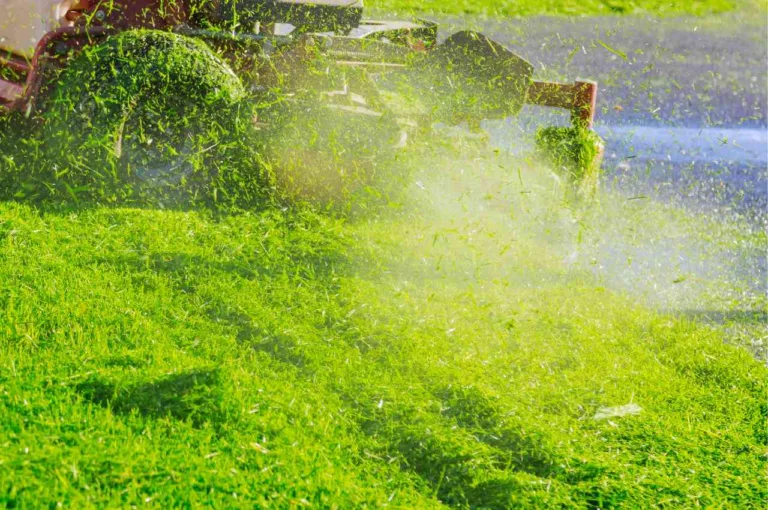
Dry grass is better to mow because a clean cut depends on a blade meeting a firm, upright grass stem. When grass is wet, the blades lay flat or clump together, and your mower either tears them unevenly or misses them entirely.
Dr. Aaron J. Patton, Turfgrass Extension Specialist at Purdue University, points out that wet conditions also create ideal conditions for spreading plant diseases. Pythium blight, in particular, spreads readily through equipment moving across damp turf on hot, humid mornings. (Purdue University Extension)
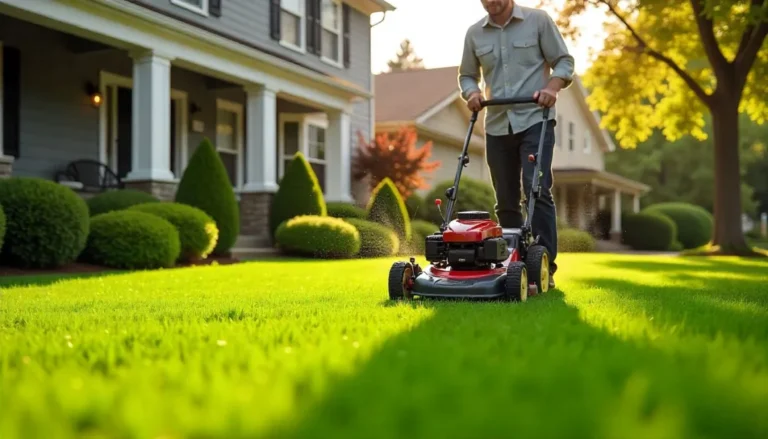
Dry grass stands straight and cuts cleanly. The result is a neater finish and a healthier lawn.
What Happens to Your Lawn When You Mow It Wet
Wet mowing creates three separate problems that compound each other: blade damage, soil compaction, and disease spread.
Blade tearing and clumping – A sharp mower blade cuts dry grass in a single pass. Wet grass bends under the blade instead of standing firm, so it tears rather than cuts. Torn grass tips turn brown and create open wounds that fungal pathogens can enter. Clumps of wet clippings then mat down on the lawn surface, blocking sunlight and airflow to the grass below. (University of Minnesota Extension)
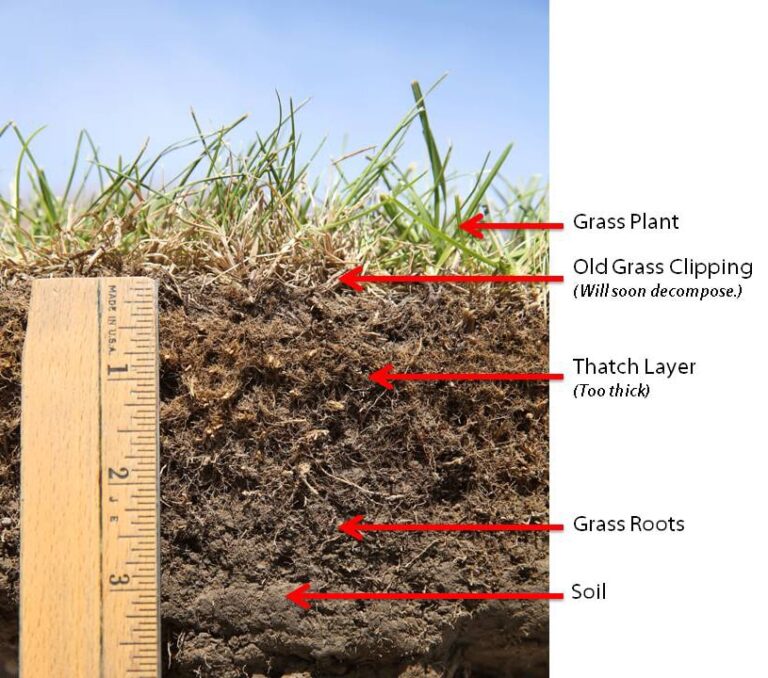
Soil compaction – The weight of a mower on saturated ground is enough to press soil particles together and squeeze out the air pockets that roots need. Once compacted, that soil restricts water drainage and nutrient uptake for the rest of the growing season. Riding mowers are especially damaging here: their heavier frames concentrate more weight per square inch of tire. (Michigan State University Extension, 2018)
Disease spread – Wet conditions and torn grass are a ready-made environment for fungal diseases including brown patch, red thread, dollar spot, and Pythium blight. Mowing wet grass spreads spores from infected areas to healthy ones on the mower deck and tires. (University of Florida IFAS Extension)
The Risks by Mowing Condition
| Condition | Main Risk | Damage Level |
|---|---|---|
| Morning dew only | Clumping, uneven cut | Low – dries quickly |
| Grass wet from recent rain | Clumping, disease spread, soil softening | Moderate |
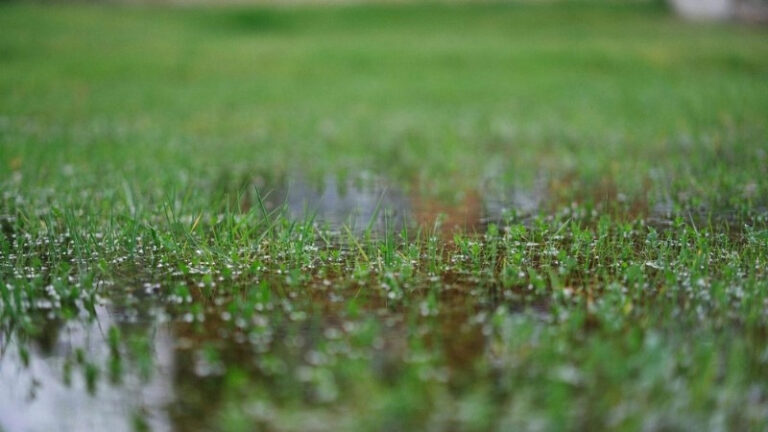
| Soil saturated after heavy rain | Ruts, compaction, root damage, tearing | High |
| Standing water present | Equipment damage, ruts, serious compaction | Do not mow |
How to Know If Your Lawn Is Dry Enough to Mow
The footprint test is the most reliable low-tech check. Walk across the lawn and look at what your steps leave behind. If the grass springs back up after you step on it, the soil is firm enough to mow. If your footsteps leave visible impressions or the ground feels soft underfoot, wait. (Lawn Love, citing Purdue University Extension)
As a general rule, wait at least 24 hours after rain before mowing. After a heavy storm or several days of rain, that window may need to extend to 48 hours or longer depending on your soil type. Clay soils hold moisture much longer than sandy soils and stay compaction-prone well after the surface appears dry.
If You Have to Mow Wet Grass, Do It This Way
credit: https://lawn.com.au/
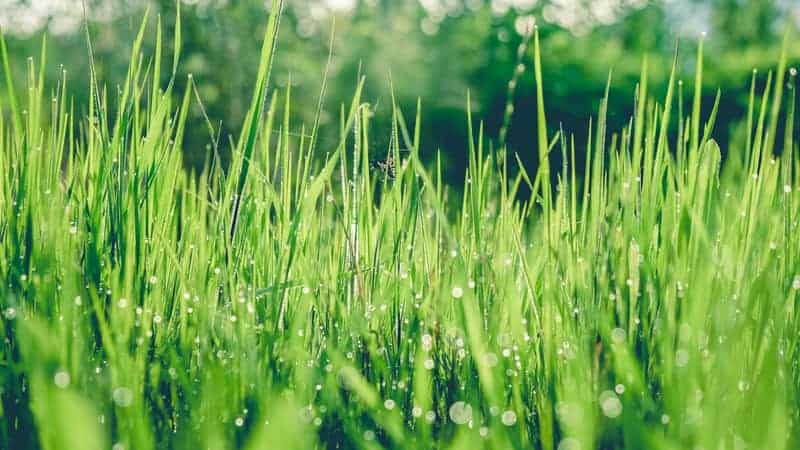
Sometimes the grass is past due and waiting another day is not realistic. Ward Upham, horticulture specialist with Kansas State University Research and Extension, says the answer in those situations is to mow when you can – but adjust your approach. (K-State Research and Extension, 2020)
Follow these steps to minimize the damage:
- Raise your deck height to its highest setting. Taller cuts reduce the volume of wet material the mower has to move through and lower the chance of scalping.
- Slow down. Moving slower gives the blade more time to cut each pass cleanly and reduces clumping in the deck.
- Side-discharge the clippings instead of mulching or bagging. Mulching wet grass packs the deck and stalls the blade. Bagging fills up too fast and forces you to stop constantly.
- After mowing, rake up any clumped clippings. Wet clumps left on the lawn will mat down and kill the grass underneath within days.
- Avoid sharp turns. Turning a mower on wet turf tears the grass and digs the tires into soft soil.
If the lawn has overgrown significantly, K-State Extension recommends mowing down in steps rather than taking it all off at once. Set the deck high, mow, then lower gradually over two or three sessions until you reach your target height. (K-State Research and Extension, 2020)
Does Wet Mowing Damage the Mower Too?
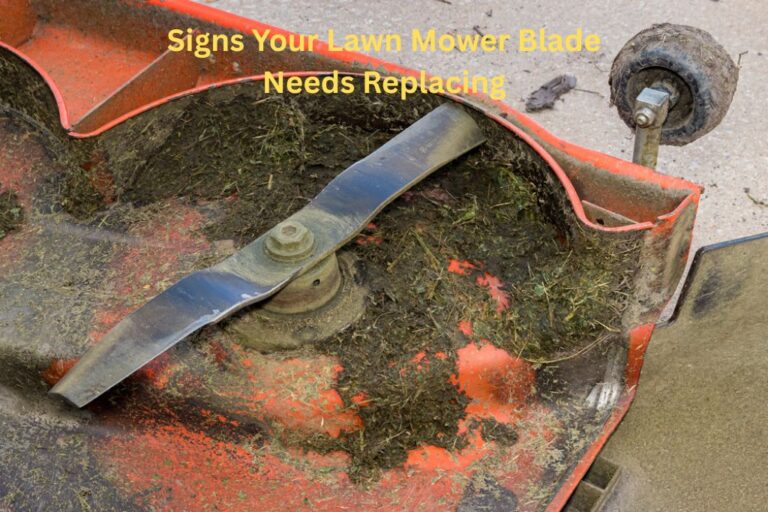
Yes. Wet grass clippings clump and pack into the mower deck, restricting airflow and jamming around the blade. The engine has to work harder to maintain blade speed, which can cause it to overheat or stall. Wet clippings also stick to the underside of the deck and promote rust if the mower is not cleaned after use.
On electric mowers, particularly corded models, wet conditions raise the risk of electrical shorts. Battery-powered mowers are generally safer in damp conditions than corded ones, but even they are not designed for regular use in standing water or saturated turf. Always consult your owner’s manual for wet-weather guidance specific to your model.
Frequently Asked Questions
Is it OK to mow wet grass occasionally?
Mowing wet grass occasionally is unlikely to ruin your lawn, but it does carry real risks: uneven cuts, clumping, and a higher chance of fungal disease. If the soil is firm and it is only surface moisture from dew or a light rain, the impact is minor. If the ground is soft or saturated, wait – one wet mow can leave ruts and compaction that takes months to recover from.
How long after rain should you wait to mow?
Wait at least 24 hours after rain before mowing. After heavy or prolonged rain, wait 48 hours or until the footprint test shows the ground is firm. Clay soil retains moisture much longer than sandy soil, so add extra time if your lawn has clay content.
Can mowing wet grass spread lawn disease?
Yes. Dr. Aaron J. Patton at Purdue University specifically calls out Pythium blight as a disease that spreads through mowing equipment on wet turf. Mower tires and decks carry spores from infected patches to healthy areas. If your lawn already shows signs of disease, never mow while wet. (Purdue University Extension)
Does mowing wet grass dull the blade faster?
Wet grass does not dull a blade the same way rocks or hard debris do, but the extra resistance from cutting through clumped, waterlogged material does put more stress on the blade edge over time. More importantly, wet grass tears rather than cuts cleanly, which produces the same poor results as a dull blade even if the blade is sharp. Check and sharpen your blade at least once per season regardless.
What is the best time of day to mow to avoid wet grass?
Mid-morning, roughly between 8 and 10 a.m., is generally the best window. Morning dew has dried by then, but the heat of midday has not yet stressed the grass. Avoid mowing in the early morning when dew is heavy, and avoid the late afternoon when the lawn has absorbed a full day of summer heat and may be under drought stress.