Why Bare Soil Becomes Weeds (And How to Stop It)
TL;DR
- Bare soil becomes weeds because the seeds already sitting in your dirt finally get the light, warm temperatures, and open space they need to sprout (SARE, 2023).
- Every patch of ground holds a “weed seed bank,” a reservoir of dormant seeds waiting for the right cue to germinate (University of Maryland Extension, 2024).
- Even a brief flash of light from soil disturbance can trigger small-seeded weeds like crabgrass and lambsquarters to wake up (Washington State University, 2022).
- A thick, healthy lawn smothers most weeds by blocking the sunlight their seeds need, so dense turf is your strongest defense (Lawn Love, 2026).
- The fix for a bare patch is fast cover: overseed, mulch, or sod the spot before weeds claim it.
Why Does Bare Soil Always Turn Into Weeds?
credit: https://www.whygoodnature.com/
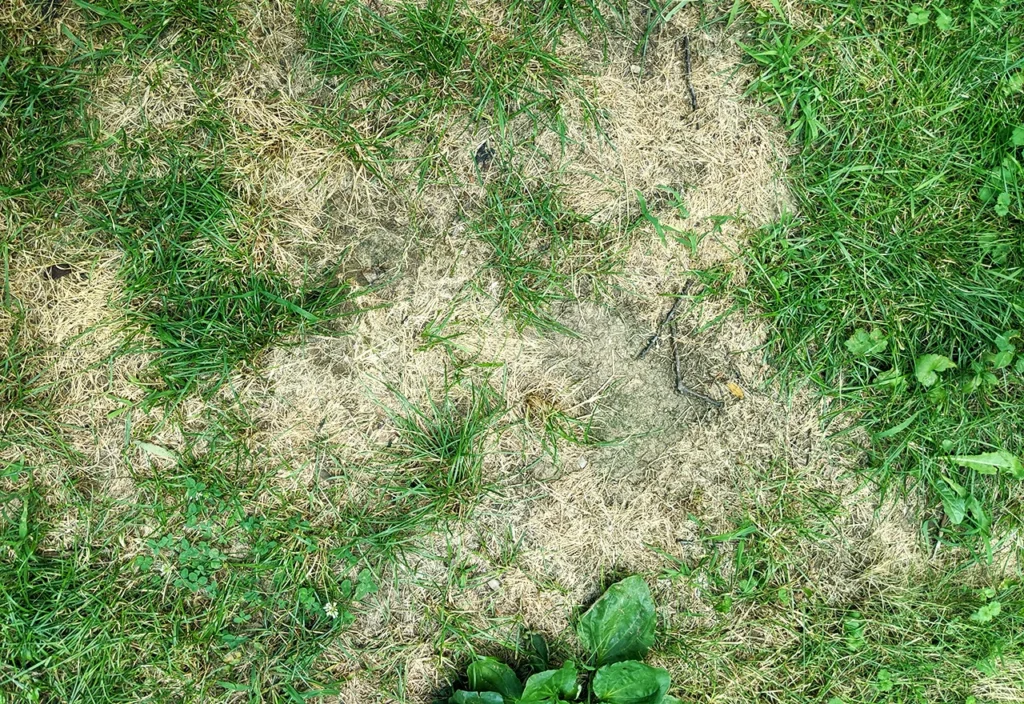
Bare soil turns into weeds because exposing the dirt gives dormant weed seeds the exact conditions they’ve been waiting for: light, warmer soil temperatures, and no competition from other plants. The seeds are already there. Clearing the surface just flips the switch that tells them to grow.
Think of it like a vending machine that only dispenses when three buttons get pressed at once. For most weed seeds, those buttons are light, heat, and open ground. Cover the soil and the buttons stay unpressed. Strip it bare and the machine starts cranking out seedlings.
This is why a freshly tilled garden bed, a new construction lot, or a dead spot in your lawn fills with weeds within a couple of weeks. Nature treats bare ground as an opening, and weeds are built to fill it first.
What Is the Weed Seed Bank in Your Soil?
The weed seed bank is the supply of viable weed seeds already sitting in your soil, waiting for the right signal to sprout. Every plot of land has a seedbank made up of seeds lying in the soil awaiting acceptable conditions to germinate (University of Maryland Extension, 2024).
These seeds get into your soil from local weeds that matured and dropped seed, plus seeds carried in by wind, water, animals, and even equipment. The main source of weed seeds in the seed bank is from local matured weeds that set seed (eOrganic). One dandelion or one patch of crabgrass left to go to seed can stock your soil for years.
Here’s the part that surprises most homeowners: many of these seeds can stay dormant for a long time. Seeds may require specific levels of moisture, temperature, light, or disturbance to germinate, and seeds of some plant species may lie dormant for years before germinating (University of Maryland Extension, 2024). Your soil is essentially a loaded library of future weeds, and bare ground is what lets them check out.
What Actually Triggers Weed Seeds to Germinate?
Weed seeds germinate when they sense they’re near the surface with no competition above them, and the main triggers are light, soil heat, and temperature swings between day and night. Cues that prompt germination of many weed species include light, high soil temperatures, fluctuation in temperature between day and night, and the presence of nitrate in the soil (SARE, 2023).
Light is a big one, and it takes shockingly little. Soil disturbance introduces light into the soil profile, and even very brief light signals trigger the germination of seeds (Washington State University, 2022). That’s why digging, raking, or scalping a lawn so often kicks off a fresh wave of weeds. You’re not planting them. You’re switching them on.
Small-seeded weeds are the most sensitive to this. Small-seeded weeds commonly germinate in response to multiple environmental signals associated with near-surface conditions, recent soil disturbance, and bare soil (SARE, 2023). Species such as lambsquarter, pigweed, and common ragweed are very responsive to the light and heat exposure at the soil surface (GROW IWM, 2025). Crabgrass behaves the same way, which is why it loves thin lawn edges and sidewalk gaps.
Why Does Tilling or Raking Make Weeds Worse?
Disturbing soil makes weeds worse because it drags buried seeds up to the surface and floods them with the light and warmth they need. Any disturbance of the soil surface may initiate weed seed germination (SDSU Extension, 2022). If you’ve ever tilled a bed to “clean it up” and watched it green over with weeds two weeks later, this is exactly what happened.
How Does a Thick Lawn Stop Weeds From Taking Over?
A thick lawn stops weeds by physically blocking the sunlight their seeds need and outcompeting them for water and nutrients. Dense grass naturally crowds out weeds by blocking sunlight and competing for nutrients (Lawn Love, 2026). When the soil surface stays shaded under a full canopy of grass, most weed seeds never get the light cue to germinate.
The reverse is also true. Cutting grass too short exposes soil to sunlight, giving weed seeds the perfect conditions to sprout, while taller grass shades the soil and creates a thick canopy that blocks weeds (Lawn Love, 2026). That single mowing-height decision can be the difference between a lawn that resists weeds and one that breeds them.
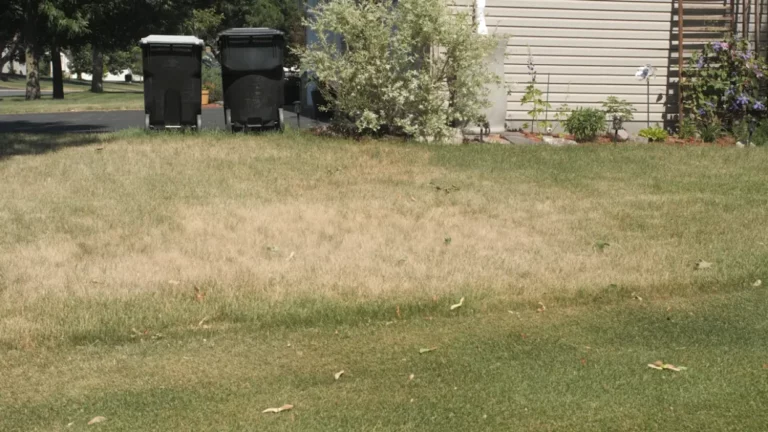
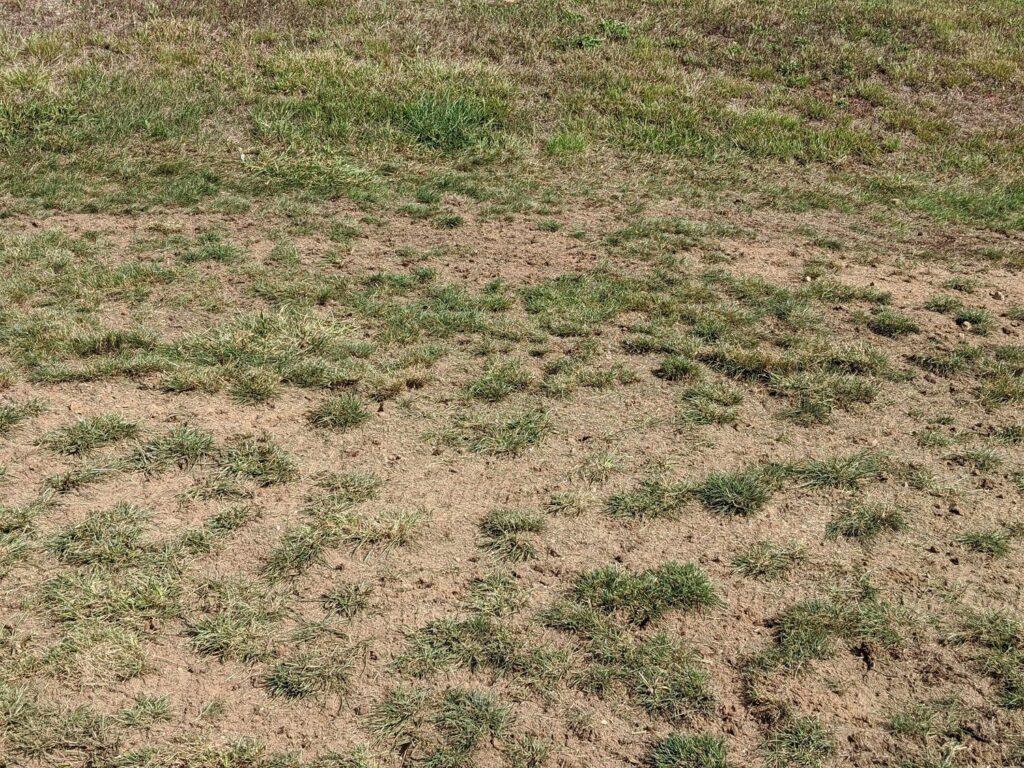
Once turf thins out, the cycle starts fast. Once the sward opens up, exposed soil is quickly colonized by annual meadow-grass, coarse grasses, moss, or broadleaved weeds (ICL, 2026). A bare patch the size of a dinner plate is all crabgrass needs to gain a foothold by midsummer.
| Soil Condition | What Weed Seeds Get | Typical Result |
|---|---|---|
| Bare or thin soil | Full light, surface heat, no competition | Heavy weed germination within 1-3 weeks |
| Lightly tilled or raked | Brief light flash, warmth, loosened surface | Fresh flush of small-seeded weeds |
| Thick, tall turf | Shade, cooler soil, root competition | Most weed seeds stay dormant |
| Mulched bed (2-3 in.) | Darkness, stable temperature | Strong suppression of surface seeds |
How Do You Stop Bare Soil From Turning Into Weeds?
Stop bare soil from becoming weeds by covering it fast, before the seed bank gets its window. The goal is simple: take away the light and the open space that weed seeds depend on.
For lawns, repair bare spots quickly with overseeding or sod. Exposed soil is quickly colonized by weeds, so intervention should take place as soon as soil temperatures and moisture are suitable for reliable establishment (ICL, 2026). A bag of quality grass seed plus light topsoil over a thin patch beats a season of pulling crabgrass.
For garden beds and around plantings, mulch is the workhorse. A 2-to-3-inch layer of bark, wood chips, or shredded leaves blocks light to the soil surface and keeps temperatures stable, so seeds stay asleep. Reapply as it breaks down.
You can also drain the seed bank on purpose using the stale seedbed method. The benefit of allowing weed seeds to germinate is that it reduces the number of seeds in the seed bank, provided the seedlings are not allowed to mature and produce seed (Gardening Know How, 2023). Water a bare bed, let the first flush of weeds sprout, then kill them shallowly before they seed, and you’ll have far fewer weeds when you finally plant.
Common Mistakes That Make Weeds Worse
- Mowing too short: Scalping the lawn exposes soil to light and gives weed seeds the trigger they need. Keep most cool-season grasses at 3 to 4 inches and use the highest or second-highest setting on your mower.
- Leaving bare spots alone: A thin or dead patch will not stay empty. Overseed or patch it within a week or two, before crabgrass and broadleaf weeds claim the space.
- Over-tilling to “clean up” a bed: Each pass brings buried seeds to the surface and exposes them to light. Disturb the soil as little as possible, then cover it right away.
- Letting one weed go to seed: A single plant left to mature restocks your seed bank with thousands of seeds. Pull or cut weeds before they flower and set seed.
Frequently Asked Questions
Why does bare soil grow weeds so fast?
Bare soil grows weeds fast because the seeds are already in the ground and only need light, warmth, and open space to sprout. Exposing the soil gives them all three at once, so germination often starts within one to three weeks (SARE, 2023).
How long does it take for weeds to take over bare soil?
In warm, moist conditions, visible weeds usually appear within one to three weeks and can dominate a bare patch in a single growing season. Small-seeded annuals like crabgrass and pigweed are the quickest to move in (GROW IWM, 2025).
Does tilling get rid of weeds or cause them?
Tilling kills the weeds you can see but causes new ones by lifting buried seeds to the surface and exposing them to light. Any disturbance of the soil surface may initiate weed seed germination (SDSU Extension, 2022), so repeated tilling often makes a weed problem worse over time.
Can grass crowd out weeds on its own?
Yes. A thick, properly mowed lawn shades the soil and outcompetes most weeds for light, water, and nutrients (Lawn Love, 2026). Dense turf is the most reliable long-term weed control a homeowner has.
What is the fastest way to keep bare soil from becoming weeds?
The fastest way is to cover it: overseed and topdress a bare lawn patch, or lay 2 to 3 inches of mulch in beds. Both block the light weed seeds need and keep the soil from acting as an open invitation.
How long can weed seeds survive in soil?
Many weed seeds can stay dormant in soil for years, waiting for the right conditions. Seeds of some plant species may lie dormant for years before germinating (University of Maryland Extension, 2024), which is why bare ground can sprout weeds long after the original plants are gone.