Why Grass Loses to Weeds (and How to Win Back Your Lawn)
TL;DR
- Grass loses to weeds mostly because of thin turf, short mowing, poor soil, and bare spots that let weed seeds get the sunlight they need to germinate.
- Mowing below 3.5 inches is tied to higher weed pressure in tall fescue and Kentucky bluegrass lawns (University of Missouri Extension).
- One crabgrass plant can drop up to 150,000 seeds that stay viable in soil for years (PJC Organic, 2022), so a few missed weeds turn into a takeover fast.
- A thick, well-fed, properly mowed lawn shades the soil and crowds weeds out before they start.
- Bottom line: fix the growing conditions first. Herbicide on a weak lawn is a temporary patch, not a fix.
Why Does Grass Lose to Weeds in the First Place?
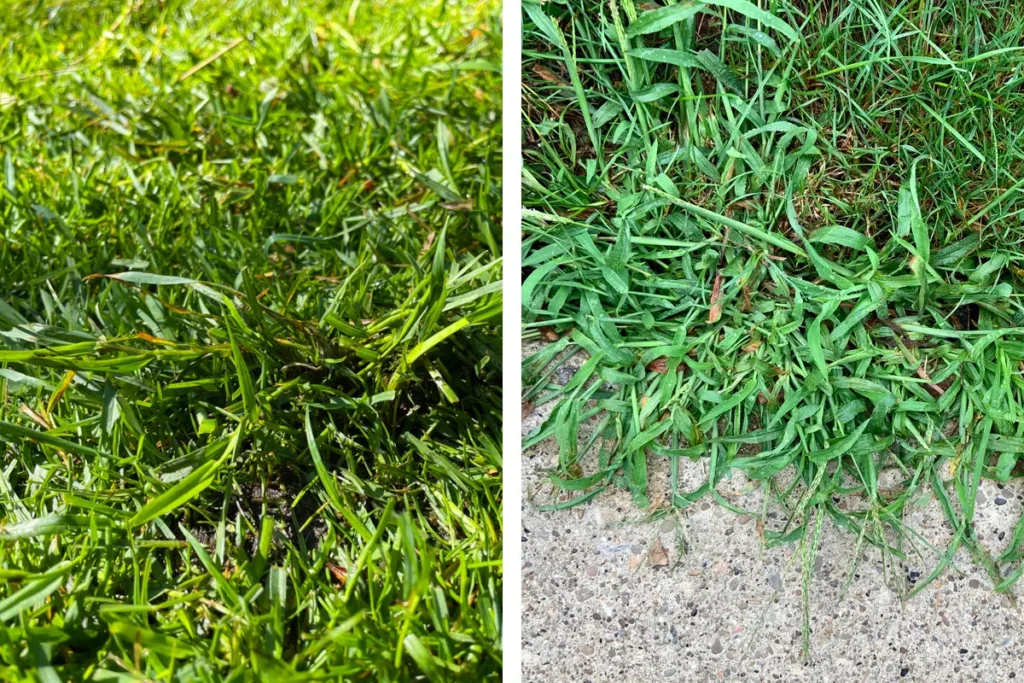
Grass loses to weeds when the turf is too thin or stressed to outcompete them for light, water, and nutrients. Weeds are opportunists. They move into any gap where grass has thinned out, and they germinate fast wherever sunlight reaches bare soil.
Most lawn grasses are bred for looks and texture, not for survival. Cultivated turfgrass trades toughness for a fine, uniform appearance, while common weeds keep their wild survival traits: faster growth, deeper or more aggressive roots, and heavy seed production. Side by side on equal ground, the weed usually has more tools to spread.
The good news is that the contest is not really about weeds being unbeatable. It’s about whether your grass is healthy enough to deny them room. A dense lawn leaves almost no open soil for weed seeds to reach, which is the single biggest factor in keeping them out (Penn State Extension).
How Does Mowing Height Decide the Winner?
Mowing height is the biggest single factor most homeowners control, and cutting too short is one of the most common mistakes. A University of Missouri Extension turf pathologist points to more than 10 studies since 1958 linking mowing below 3.5 inches to substantial increases in dandelion, white clover, and crabgrass in tall fescue and Kentucky bluegrass lawns (University of Missouri Extension).
Short grass loses two ways. First, scalping stresses the plant and shrinks its root system, so it can’t pull water and nutrients efficiently. Second, short turf lets sunlight hit the soil, and weed seeds like crabgrass need that light to germinate (PJC Organic, 2022). Taller grass shades the surface and keeps soil cooler, which suppresses germination.
In a field trial at the Lake Wheeler Turfgrass Field Lab in Raleigh, NC State Extension mowed tall fescue plots at 1, 2, 3, and 4 inches and tracked crabgrass through the season. The takeaway was consistent: taller cutting heights produced denser, more competitive turf and less crabgrass (NC State Extension).
What Mowing Height Should You Actually Use?
For most cool-season lawns, set the mower at 3.5 to 4 inches through the growing season. Michigan State University Extension recommends 3.5 to 4 inches as the most sustainable height for cool-season turf (Michigan State University Extension). Warm-season grasses are different. Zoysiagrass does fine at 1 to 2 inches (University of Missouri Extension).
| Grass Type | Recommended Mowing Height | Why It Helps Against Weeds |
|---|---|---|
| Tall fescue | 3.5 – 4 in | Dense canopy shades soil, blocks crabgrass germination (Michigan State University Extension) |
| Kentucky bluegrass | 3.5 – 4 in | Tied to fewer dandelions, clover, and crabgrass at this height (University of Missouri Extension) |
| Zoysiagrass | 1 – 2 in | Tolerates a tight cut and still forms dense turf (University of Missouri Extension) |
| Bermudagrass | 1 – 2 in | Grows aggressively and fills in to crowd out weeds (LawnStarter, 2025) |
A simple rule to protect height: never remove more than one-third of the leaf blade in a single mow (Michigan State University Extension). Cutting off more than that is what causes the stress and thinning weeds wait for.
How Does Soil Quality Tip the Balance?
Poor soil is a quieter reason grass loses, and it works against the lawn before you ever start the mower. Compacted soil restricts root growth and lowers oxygen at the root zone, creating conditions that favor weeds over grass (LawnStarter, 2025).
Crabgrass is a good example of a weed built for bad soil. It thrives where desirable grasses struggle: soils that are compacted, low in organic matter, low in calcium, and acidic (PJC Organic, 2022). When your soil is in that condition, you’re handing the weed an advantage your grass can’t match.
Fertility cuts both ways. Too little nitrogen leaves grass thin and slow to fill gaps. Too much can backfire, since weeds like chickweed and purslane spread fast in high-fertility soil (LawnStarter, 2025). A soil test tells you what your lawn actually needs instead of guessing, and it’s the cheapest first step before you spend money on products.
How Do Weeds Spread So Fast Once They Get In?
Weeds spread fast because many of them are built to reproduce in huge volume before anything can stop them. A single crabgrass plant can produce 150 to 700 tillers and up to 150,000 seeds, and those seeds can stay dormant in the soil for up to 20 years (PJC Organic, 2022).
Annual weeds run short, fast life cycles: sprout, set seed, and die before the season ends, dumping a fresh seed bank for next year. Perennials like dandelion play a longer game. Their deep taproots store energy and let the plant regrow even after the leaves are pulled or mowed off (Penn State Extension).
Seeds also arrive from outside your yard. They blow in from neighboring lots, hitch a ride on birds, and sneak in through trucked-in topsoil or the pots of new plants (Preen). That’s why a lawn is never truly weed-free for good. The realistic goal is a stand of grass thick enough that incoming seeds have nowhere to land and grow.
Common Mistakes That Hand the Lawn to Weeds
- Mowing too short to stretch the time between cuts: this scalps the grass and opens the soil to sunlight, which is exactly what crabgrass needs to germinate (PJC Organic, 2022).
- Reaching for weed-and-feed before fixing the lawn: herbicide on thin, stressed turf treats the symptom while the bare soil that caused it stays open for the next wave.
- Ignoring soil compaction: hard, low-oxygen soil favors weeds over grass, and no amount of spraying changes that until you aerate and rebuild the soil (LawnStarter, 2025).
- Guessing at fertilizer: under-feeding leaves thin turf, and over-feeding can fuel weeds like chickweed and purslane (LawnStarter, 2025). A soil test ends the guessing.
- Tolerating bare patches: every open spot is a landing pad for the seed bank already in your soil. Overseed thin areas so grass, not weeds, fills the gap.
Frequently Asked Questions
Why is my grass losing to weeds even though I treat it?
Most likely the growing conditions still favor weeds. If the lawn is mowed too short, the soil is compacted, or there are bare patches, weed seeds keep germinating faster than herbicide can keep up (Penn State Extension). Fix the mowing height and soil first, then treat.
What mowing height keeps weeds out best?
For cool-season lawns like tall fescue and Kentucky bluegrass, 3.5 to 4 inches gives the best weed suppression (Michigan State University Extension). Zoysiagrass and bermudagrass are kept shorter, around 1 to 2 inches (University of Missouri Extension).
How does a thick lawn actually stop weeds?
Dense turf shades the soil surface so weed seeds never get the sunlight they need to germinate, and it leaves no open ground for them to take root (PJC Organic, 2022). Shading also keeps soil cooler, which slows warm-season weeds like crabgrass.
Can I get rid of weeds without chemicals?
Often yes, by improving the lawn itself. Mowing high, fertilizing based on a soil test, watering during dry spells, and overseeding thin spots can keep a lawn competitive enough to need little or no herbicide (Michigan State University Extension). Heavy existing infestations may still need targeted treatment.
How fast do weeds take over a lawn?
Faster than most people expect. One crabgrass plant can drop up to 150,000 seeds in a season, and they can stay viable for years (PJC Organic, 2022). A few ignored weeds this year can mean a widespread problem next year.
Does soil compaction really cause weeds?
Yes. Compacted soil limits root growth and oxygen, which stresses grass and favors weeds like crabgrass that tolerate poor, hard, acidic soil (LawnStarter, 2025; PJC Organic, 2022). Aerating and adding organic matter shifts the advantage back to your grass.