Complete Beginner Guide to Lawn Care: What Every New Homeowner Needs to Know
TL;DR
- Mow at the right height (3 to 3.5 inches for most cool-season grasses) and never cut more than one-third of the blade length at once
- Water deeply and infrequently – about 1 inch per week, ideally in the early morning
- Fertilize two to four times per year depending on your grass type; spring and fall are the most important applications
- A basic push mower, spreader, and garden hose with a timer handle 90% of beginner lawn care
- The most common first-year mistakes are mowing too short, overwatering, and skipping the fall fertilizer
What Does Basic Lawn Care Actually Involve?
credit: https://fity.club/
Lawn care for a first-time homeowner comes down to four tasks: mowing, watering, fertilizing, and occasional weed control. You do not need a landscaping background or expensive equipment to get a healthy lawn in year one. Most cool-season lawns (Kentucky bluegrass, tall fescue, perennial ryegrass) in the northern US and most warm-season lawns (Bermuda, Zoysia, St. Augustine) in the south respond well to consistent, simple maintenance.
Think of your lawn like a houseplant you cannot bring inside. It needs the right amount of water, food at the right times, and a trim before it gets out of hand.
How Often Should You Mow – and How Short?
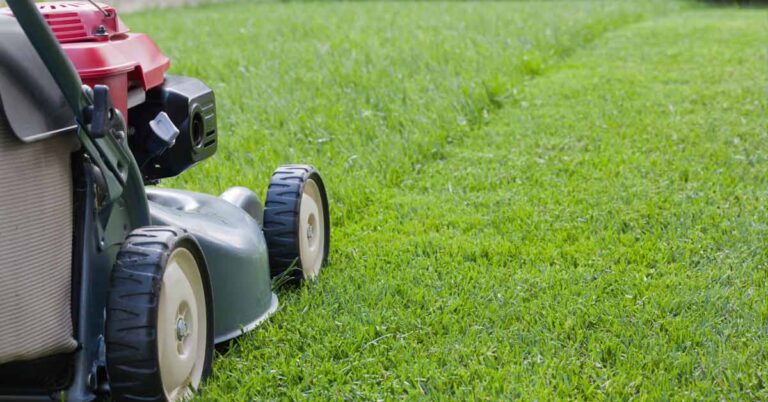
Mow when your grass reaches about 4 to 4.5 inches, cutting it back down to 3 to 3.5 inches. That one-third rule is the single most important mowing principle for beginners. Cutting more than one-third of the grass blade at once stresses the plant, weakens the root system, and opens the lawn to weed invasion.
For most US homeowners, that means mowing every 5 to 7 days during peak growing season (late spring through early summer) and every 10 to 14 days in slower growth periods.
| Grass Type | Ideal Mow Height | Mowing Season |
|---|---|---|
| Kentucky Bluegrass | 2.5 – 3.5 inches | April – October |
| Tall Fescue | 3 – 4 inches | April – October |
| Bermuda | 1 – 2 inches | May – September |
| Zoysia | 1.5 – 2.5 inches | May – September |
| St. Augustine | 3 – 4 inches | April – September |
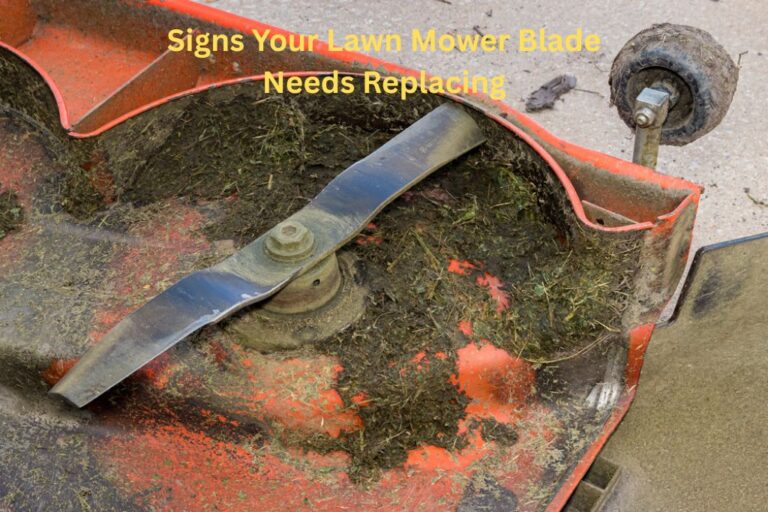
Keep your mower blade sharp. A dull blade tears the grass instead of cutting it clean, leaving ragged brown tips and making the lawn more vulnerable to disease. Sharpen or replace the blade at least once per season.
How Much Water Does a New Lawn Need?
Most established lawns need about 1 inch of water per week, either from rain or irrigation (Scotts, 2024). The timing matters as much as the amount. Water in the early morning, between 6 and 10 a.m., so the grass dries before evening. Watering at night leaves moisture sitting on the blades for hours, which promotes fungal disease.
Water deeply two to three times per week rather than a little every day. Deep, infrequent watering trains the roots to grow down into the soil. Daily shallow watering does the opposite – it keeps roots near the surface, where they are the first to suffer in a dry spell.
A simple way to measure: set an empty tuna can on the lawn while the sprinkler runs. When the can is full, you have applied roughly 1 inch.
When and How Should You Fertilize?
Fertilize cool-season grasses in early fall (September) and again in late spring (May). Those two applications do more for a cool-season lawn than any other timing. A third application in early spring is optional but helpful for lawns coming out of a rough winter.
Fertilize warm-season grasses in late spring once the grass has fully greened up, then again in midsummer. Do not fertilize warm-season grasses in fall – it pushes tender growth right before the dormant season.
Use a granular slow-release fertilizer for most beginner situations. Scotts Turf Builder and Milorganite are widely available, beginner-friendly options at any home improvement store. Follow the label rate – more fertilizer does not mean a greener lawn faster. It means burned grass and wasted money.
What Equipment Do You Actually Need to Start?

You do not need much. Here is what covers the basics for a typical residential lawn:
- Push mower or self-propelled mower: A Honda HRX217 or Toro Recycler 22 handles most residential yards under a half-acre. For larger lots, consider a riding mower.
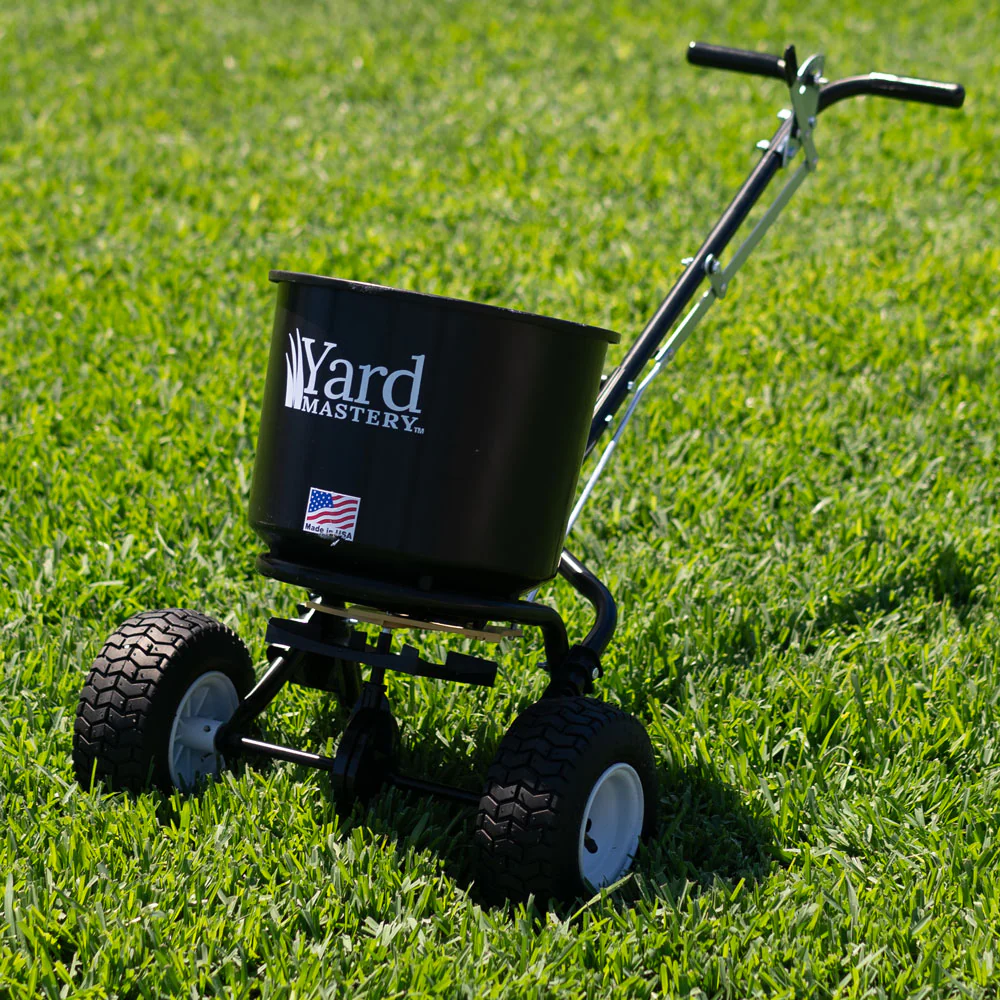
- Broadcast spreader: Used for applying fertilizer and grass seed. The Scotts Turf Builder EdgeGuard is a solid, inexpensive starting point.
- Garden hose with an adjustable nozzle or sprinkler: Sufficient for most lots under 5,000 square feet.
- Lawn rake: For clearing debris in spring and fall.
That is it for year one. A leaf blower and aerator are useful additions later, but they are not beginner necessities.
Common Mistakes That Cost New Homeowners Time and Money
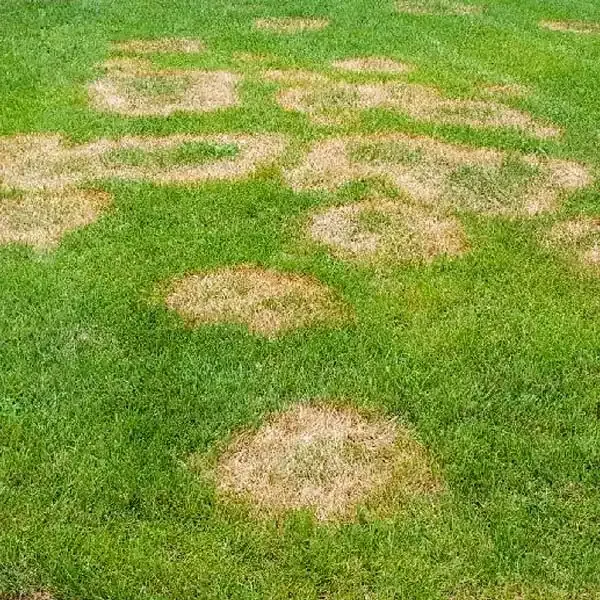
- Mowing too short: Scalping the lawn weakens roots, invites weeds, and causes brown patches. Stay at or above 3 inches for most grass types.
- Overwatering: More water does not equal better grass. Saturated soil suffocates roots and promotes disease.
- Skipping fall fertilizer: For cool-season lawns, the fall application is the most important one of the year. Missing it costs you density and color the following spring.
- Using the wrong fertilizer timing for warm-season grass: Fertilizing Bermuda or Zoysia in September encourages growth that freezes out in the first cold snap.
Frequently Asked Questions
How often should a beginner mow their lawn?
Mow every 5 to 7 days during active growing season, cutting no more than one-third of the grass height at a time. In slower seasons, every 10 to 14 days is fine.
What is the easiest lawn fertilizer for a first-time homeowner?
Scotts Turf Builder or Milorganite are both beginner-friendly granular options available at Home Depot and Lowe’s. Apply with a broadcast spreader and follow the label rate.
Can you overwater a lawn?
Yes. Too much water suffocates roots, promotes fungal disease, and wastes money. Most established lawns need 1 inch of water per week total, including rainfall (Scotts, 2024).
What happens if you mow the grass too short?
Cutting below the recommended height – called scalping – exposes the soil, weakens the root system, and gives weeds an opening to establish. Keep cool-season grasses at 3 to 3.5 inches.
Do you need a riding mower as a first-time homeowner?
Only if your lawn is over half an acre. A self-propelled push mower like the Toro Recycler 22 or Honda HRX217 handles most residential lots efficiently and costs far less to buy and maintain.