Signs Your Lawn Mower Blade Needs Replacing
TL;DR
- A blade that tears grass instead of cutting it cleanly is the clearest sign it needs replacing.
- Inspect your blade every 20-25 hours of use; replace it every 1-2 years under normal residential use (Segway Navimow, 2026).
- Visible damage – cracks, deep gouges, or a bent edge – means replace, not sharpen.
- A new blade costs $20-$35 for most push mowers; professional installation runs $25-$35 per blade (LawnStarter, 2025).
- When in doubt between sharpening and replacing: if the blade is thinner than a dime’s edge at the cutting tip, it’s time for a new one.
What Does a Worn Lawn Mower Blade Actually Do to Your Grass?
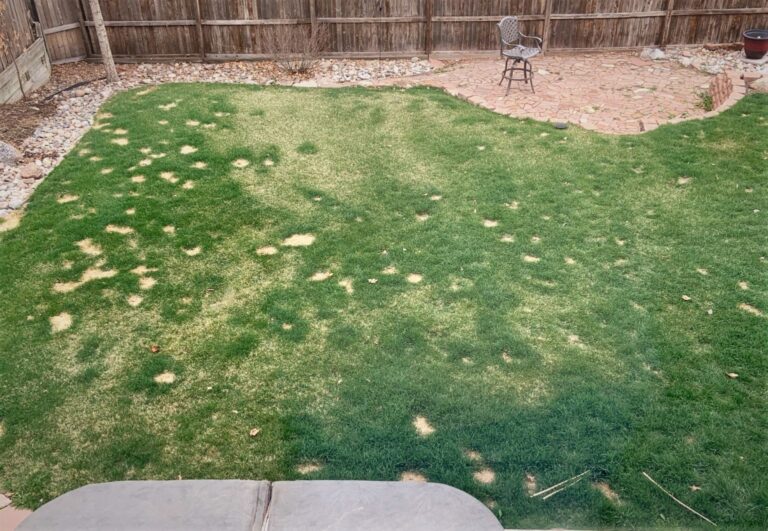
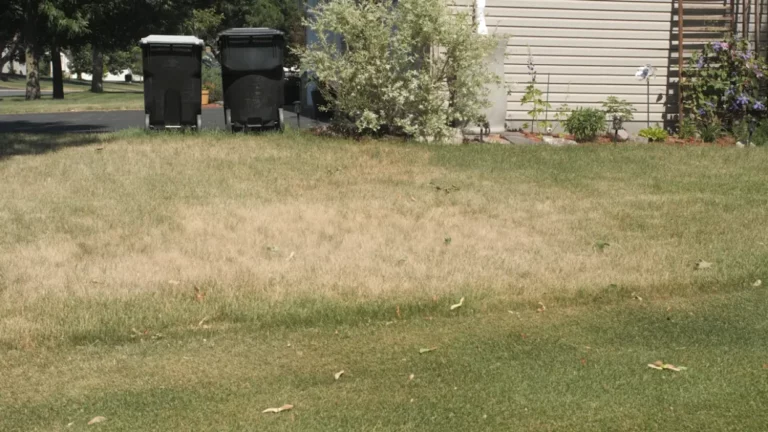
A dull or damaged blade tears grass instead of slicing through it cleanly. That tearing leaves ragged, frayed tips that turn brown within a day or two – and that browning is often mistaken for drought stress or disease. The real culprit is the blade.
A sharp blade cuts through the grass stalk in one motion. A dull blade grabs and pulls, shredding the cell walls at the cut point. The grass plant has to work harder to recover from that kind of damage, which weakens your lawn over time.
Most homeowners don’t notice the blade is the problem until the lawn already looks bad. Learning to spot the signs earlier saves both your grass and your mower’s engine.
The 6 Signs Your Lawn Mower Blade Needs Replacing
1. Grass Tips Look Ragged or Brown After Mowing
This is the most reliable visual signal. After mowing, walk across the lawn and look at the cut ends of the grass blades. A clean cut leaves a flat, sharp tip. A dull or damaged blade leaves tips that look shredded, torn, or feathered.
If the whole lawn turns slightly brown or tan within 24-48 hours of mowing, the blade is the first thing to check – not the watering schedule.
2. The Mower Leaves Uncut Strips or Patches
If you’re making normal, overlapping passes and still finding strips of grass the deck missed, the blade may have a flat spot or a bent section that’s no longer reaching full cutting height. Uneven wear across the blade’s length causes it to cut properly in some spots and miss others entirely.
This is different from a scalping problem (which is usually a deck height or terrain issue). If the strips appear even on flat ground, suspect the blade.
3. You Feel Unusual Vibration Through the Handle
A noticeable vibration that wasn’t there before is a warning sign. It usually means the blade is unbalanced – either from uneven wear, a nick on one side, or a bend from hitting something solid.
An out-of-balance blade spins off-center. That puts stress on the spindle bearings and, on a push mower, transmits straight up through the deck and handle. If the vibration is strong enough to feel in your hands during a normal mow, stop and inspect the blade before continuing.
4. Visible Nicks, Dents, or a Bent Edge
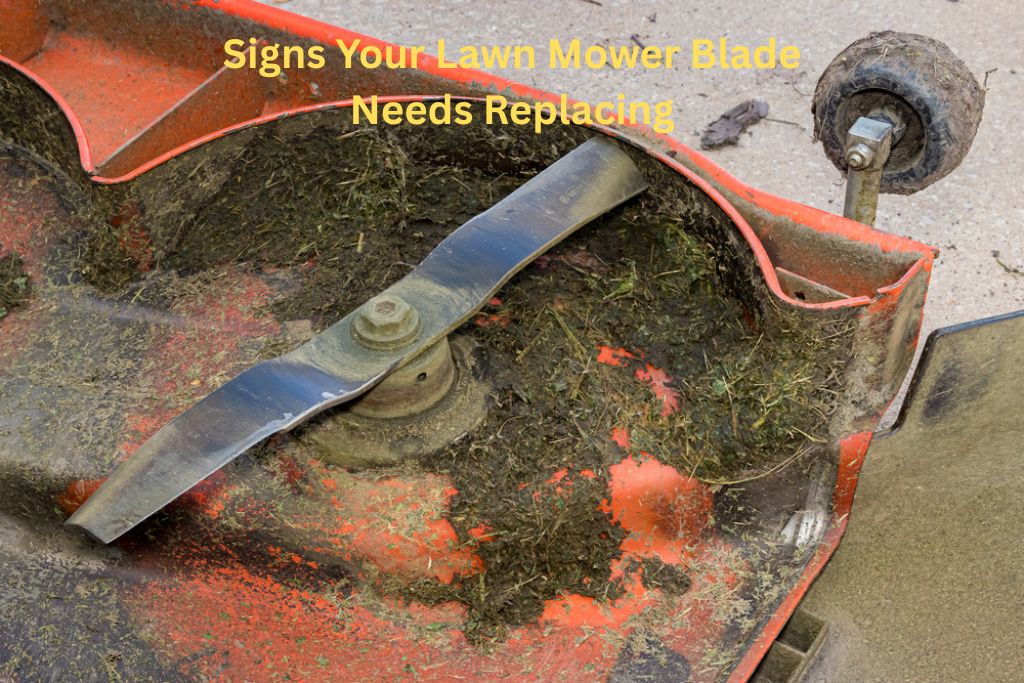
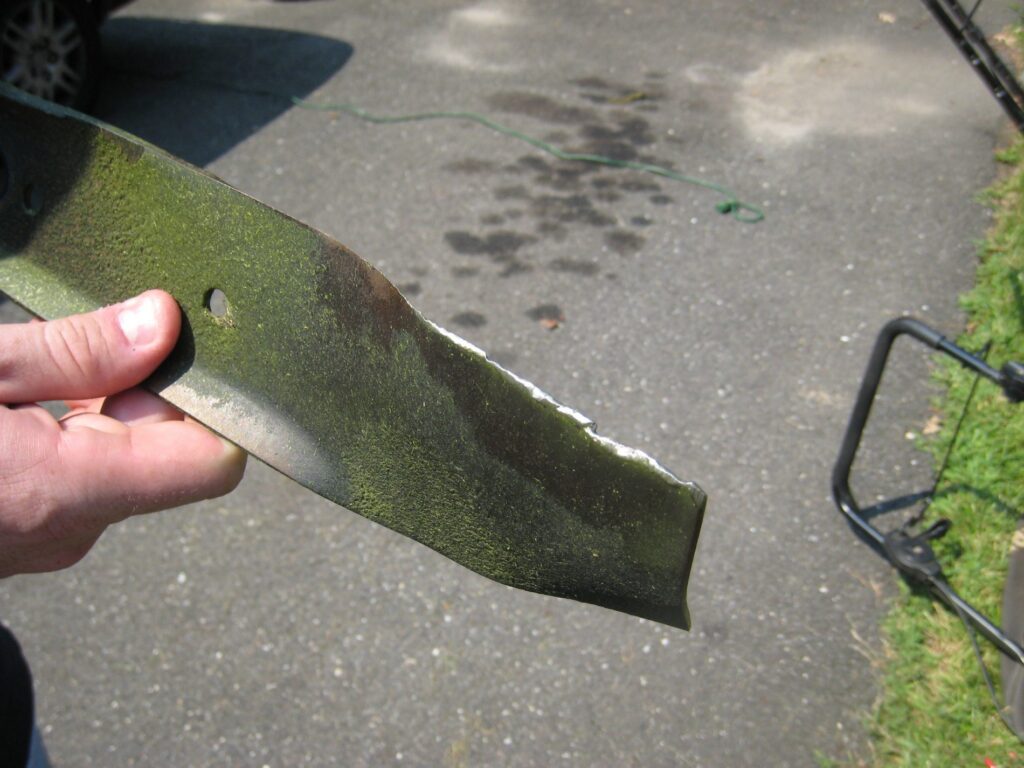
Pull the blade and look at it directly. Nicks smaller than a quarter-inch can often be filed smooth. Anything deeper – large gouges, missing chunks of metal, or any visible bend in the blade body – means the blade needs to be replaced, not sharpened.
A bent blade is never safe to run. Even a slight bend throws the blade out of balance and can crack the spindle housing over time. Briggs & Stratton recommends replacing any blade with visible bending, regardless of how minor it appears.
5. The Blade Is Worn Thin at the Cutting Edge
Every time you sharpen a blade, you’re removing metal. After several sharpening cycles, the cutting edge gets thin enough that it can’t hold an edge at all – it dulls within a single mowing session. If you’re sharpening more than once a month during active mowing season, the blade has likely been sharpened past the point of usefulness.
A blade that’s been sharpened to less than about 1/16 inch of steel at the tip is a replacement candidate. At that thickness, the edge chips easily and the blade can crack under impact.
6. The Mower Engine Is Working Harder Than Usual
If the engine sounds like it’s laboring or the RPMs drop noticeably when you hit normal grass (not overgrown patches), a dull blade is a likely cause. A dull blade generates more drag because it’s tearing rather than slicing.
That extra load on the engine translates to higher fuel consumption on gas mowers and faster battery drain on electric models. If the mower was running fine earlier in the season and now sounds strained on the same lawn, check the blade.
Sharpen or Replace? How to Decide
A blade should be sharpened when it’s dull but structurally sound. It should be replaced when it’s damaged, bent, worn thin, or has been sharpened more times than the metal can support. The table below covers the most common scenarios.
| Condition | Action |
|---|---|
| Dull edge, no visible damage | Sharpen |
| Small nicks under 1/4 inch | File smooth, then sharpen |
| Large gouges or missing metal | Replace |
| Any visible bend in the blade body | Replace immediately |
| Blade is thin from repeated sharpening | Replace |
| Heavy rust that can’t be ground away | Replace |
| Cracked near the center hole or lift wings | Replace |
A standard blade sharpening takes the edge back to a 30-45 degree angle. Most homeowner blades can handle 3-5 sharpening cycles before the metal thins out enough to warrant replacement.
How Much Does a Replacement Blade Cost?
Replacement blades for most residential push mowers run $20-$35 at retail (Walmart, 2025). Riding mower blades cost more – typically $25-$50 per blade, and most riding mowers run two to three blades. Professional installation at a shop adds another $25-$35 per blade in labor (LawnStarter, 2025).
| Blade Type | DIY Part Cost | Shop Total (Part + Labor) |
|---|---|---|
| Standard push mower (21″-22″) | $20-$30 | $45-$65 |
| Self-propelled push mower | $22-$35 | $50-$70 |
| Riding mower (per blade) | $25-$50 | $50-$85 per blade |
| Zero-turn mower (per blade) | $30-$60 | $55-$95 per blade |
Replacing a blade yourself is a straightforward job for most homeowners – a socket wrench, a blade removal tool (about $15 at any hardware store), and 20 minutes is all it takes on a push mower.
When Should You Inspect and Replace on a Schedule?
credit: https://dickersonlandscaping.com/
Inspect your blade every 20-25 hours of use, or at least once a month during mowing season. For the average homeowner mowing weekly, that’s roughly once a month from April through October (Segway Navimow, 2026).
Plan on replacing the blade once per year as a baseline. If you mow a large property, hit rocks or roots regularly, or mow thick grass like St. Augustine or Zoysia, replace it every season regardless of how it looks. Commercial landscapers sharpen every 8-10 hours and replace multiple times per season – residential use is far more forgiving, but once a year is a reasonable floor.
The best time to replace is early spring, before the first mow of the season. That way you’re starting fresh rather than diagnosing a problem mid-summer when the lawn is actively growing.
Common Mistakes That Cost You More in the Long Run
- Sharpening a bent blade instead of replacing it: a bent blade can’t be fixed by sharpening, and running it strains the spindle bearings. Replacing a spindle assembly costs $60-$125 (LawnStarter, 2025), far more than a $25 blade.
- Waiting until the cut quality is obviously bad: by the time the lawn looks visibly ragged, the blade has been underperforming for weeks. The grass has already taken the stress. Inspect on a schedule rather than waiting for symptoms.
- Using the wrong replacement blade: not all blades fit all decks. Always match the blade length, center hole size, and deck mounting pattern to your specific model. Using an Oregon or Arnold aftermarket blade is fine – just confirm the fit against your mower’s model number before buying.
Frequently Asked Questions
How do I know if my lawn mower blade needs replacing or just sharpening?
If the blade is dull but has no visible bending, cracking, or deep gouges, sharpening is the right call. Replace the blade when it’s visibly bent, cracked, has large chunks of metal missing, or has been sharpened so many times it’s gone thin at the cutting edge. A blade thinner than 1/16 inch at the tip can’t hold an edge and should be swapped out.
How often should you replace a lawn mower blade?
For most homeowners, once per year is the standard replacement interval. If you mow frequently, hit debris regularly, or mow coarse grass types, you may need to replace it more often. The general usage guideline is replacement every 100-200 hours of total use (Segway Navimow, 2026).
Can a dull lawn mower blade damage your lawn?
Yes. A dull blade tears grass instead of cutting it, which leaves ragged tips that brown quickly and stresses the grass plant. Over time, repeated tearing weakens your lawn and makes it more vulnerable to disease and drought. This is often misdiagnosed as a watering or fertilizer issue.
How much does it cost to replace a lawn mower blade?
Blades for push mowers cost $20-$35 at retail. Professional replacement at a shop runs $45-$70 total for a push mower, including parts and labor (LawnStarter, 2025). Riding mower blades cost more per blade, and most riding mowers carry two to three blades.
What happens if you run a bent lawn mower blade?
A bent blade spins out of balance, which creates vibration that stresses the spindle bearings and the deck housing. Over time this can crack the spindle, damage the crankshaft on direct-drive push mowers, or loosen deck hardware. Replace any bent blade before mowing again – it’s not a problem that gets better with more use.
Is it safe to sharpen a lawn mower blade yourself?
Yes, with the right precautions. Disconnect the spark plug wire before removing the blade, use a blade removal tool or breaker bar to break the bolt loose, and sharpen at a consistent 30-45 degree angle with a file, angle grinder, or bench grinder. Check the balance on a blade balancer (about $5 at any hardware store) before reinstalling.
Quick Reference: When to Replace vs. Sharpen
- Dull edge only: sharpen
- Small nicks: file and sharpen
- Bent, cracked, or deeply gouged: replace
- Worn thin from repeated sharpening: replace
- Causing excess vibration: inspect – if bent or unbalanced, replace
- Last replaced more than 2 seasons ago and you mow frequently: replace