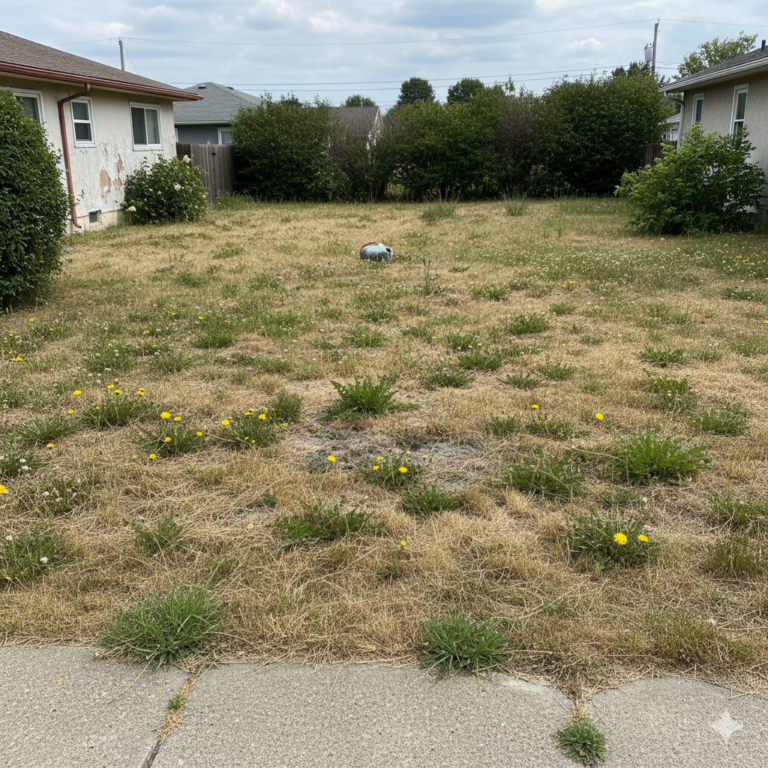
Why Soil Quality Controls Grass Health
TL;DR
- Soil quality controls grass health because pH, texture, and organic matter decide which nutrients your grass roots can actually absorb.
- Most turfgrasses grow best at a soil pH of 6.0 to 7.0, where nutrients stay soluble and available (University of Georgia Extension).
- A basic lawn soil test costs $11 to $30 through most university extension labs, plus mailing (University of Maryland Extension).
- Fertilizer can fail completely if your pH is off, because locked-up nutrients never reach the roots no matter how much you spread.
- Test your soil before adding lime, sulfur, or fertilizer, and retest every 3 years to track pH.
What “Soil Quality” Actually Means for Your Lawn
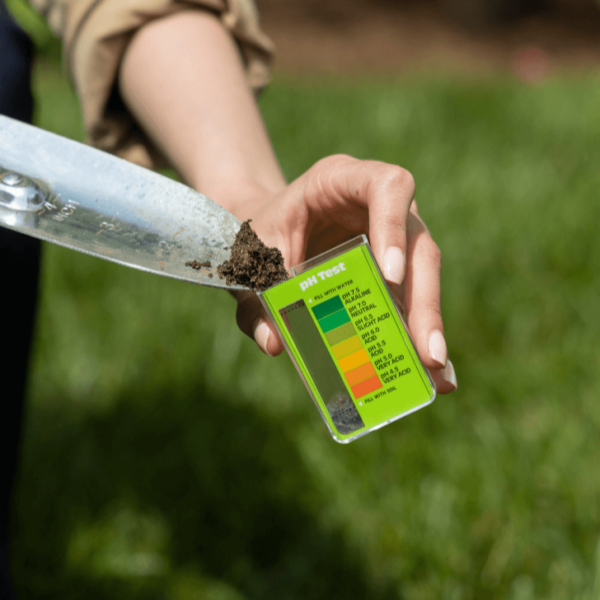
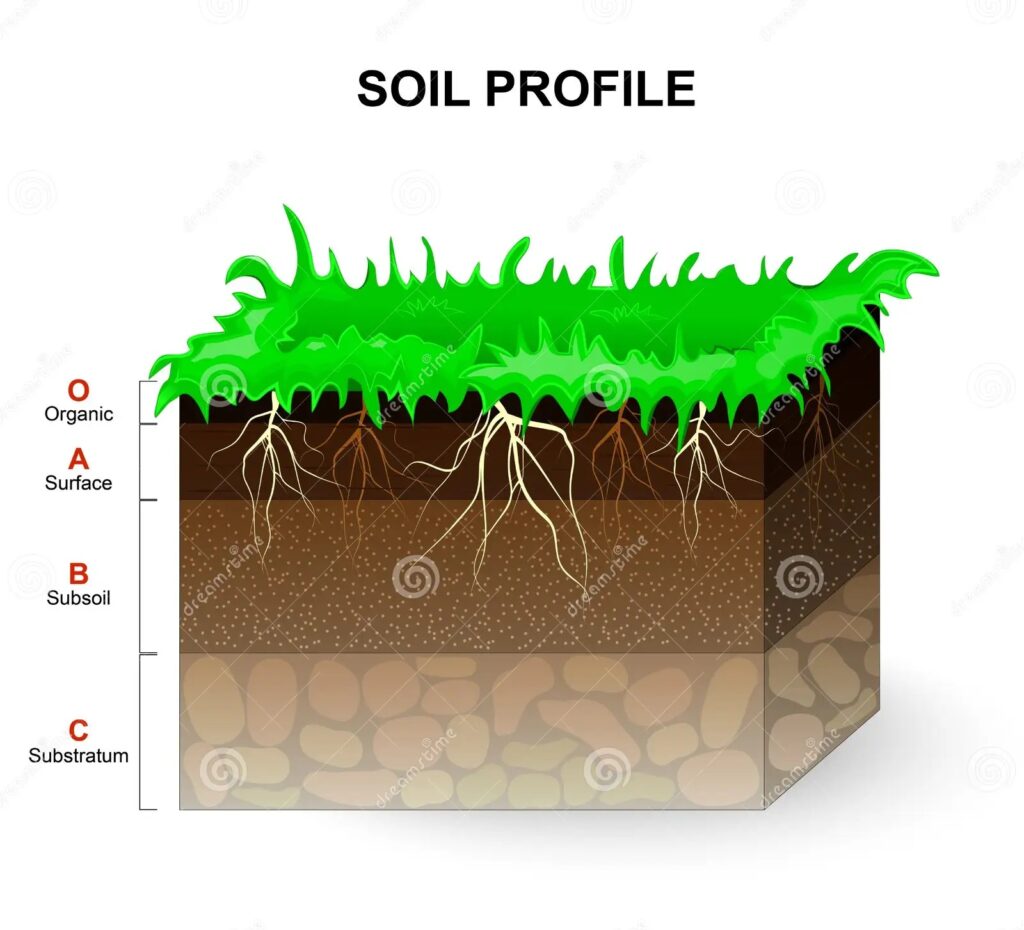
Soil quality is the combination of pH, texture, organic matter, and biological activity that determines whether your grass can take up water and nutrients. A healthy lawn soil is roughly half mineral particles (sand, silt, clay), about a quarter water, a quarter air, and a small fraction organic matter and living organisms.
Grass roots do not feed on soil directly. They pull dissolved nutrients out of the water held in soil pores. So the chemistry and structure of that soil set the ceiling on how healthy your grass can get. You can mow, water, and fertilize perfectly, and still end up with thin, yellow turf if the soil underneath cannot deliver.
Why Soil pH Decides What Your Grass Can Absorb
Soil pH is the single biggest soil factor in grass health because it controls nutrient solubility. Most turfgrasses thrive between a pH of 6.0 and 7.0, the range where nitrogen, phosphorus, potassium, and micronutrients stay dissolved and reachable (University of Georgia Extension).
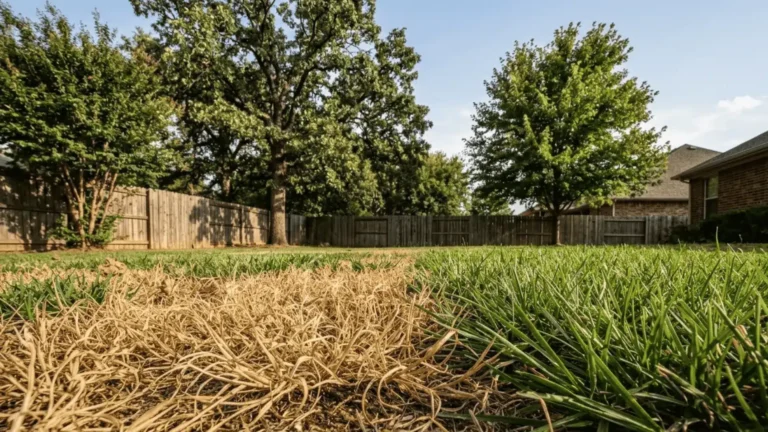
When pH drifts too high or too low, nutrients get “fixed,” meaning they bind tightly to soil particles and become unavailable to roots even though they are physically present. Above 7.5, iron becomes insoluble, which is why grass in alkaline soil often turns yellow from iron chlorosis while the soil itself still contains plenty of iron (UNH Extension, 2025). Below 5.5, soils can run short on calcium, magnesium, and phosphorus while building up excess aluminum and manganese.
Here is the part that frustrates homeowners: you can spread bag after bag of fertilizer, and if the pH is wrong, most of it sits there unused. The grass is starving in a full pantry because it cannot open the door.
How Soil pH Changes Nutrient Availability
| Soil pH Range | Condition | What Happens to Grass |
|---|---|---|
| Below 5.5 | Strongly acidic | Calcium, magnesium, and phosphorus drop; aluminum and manganese rise; roots get damaged |
| 6.0 to 7.0 | Slightly acidic (ideal) | Nutrients stay soluble; microbes stay active; roots grow deep |
| 7.5 and above | Alkaline | Iron, manganese, zinc, and copper lock up; grass yellows from iron chlorosis |
Grass type matters too. Centipedegrass tolerates acidic soil down to about 5.0 to 6.0, while many cool-season grasses want the soil closer to neutral. It is usually easier to pick a grass that fits your soil than to fight your soil for years.
Why Soil Texture and Organic Matter Affect Root Health
Soil texture and organic matter control how well your soil holds water, air, and nutrients, which directly shapes root depth. Texture is the ratio of sand, silt, and clay. Sandy soils drain fast and dry out quickly. Clay soils hold water and nutrients but compact easily and choke off air to the roots.
Organic matter is the fix for both extremes. It improves moisture retention in sandy soil and loosens structure in clay, and it holds nutrients in a form roots can reach. Most lawn soils carry only a small percentage of organic matter, so adding compost or returning grass clippings during summer mowing season builds it up over time.
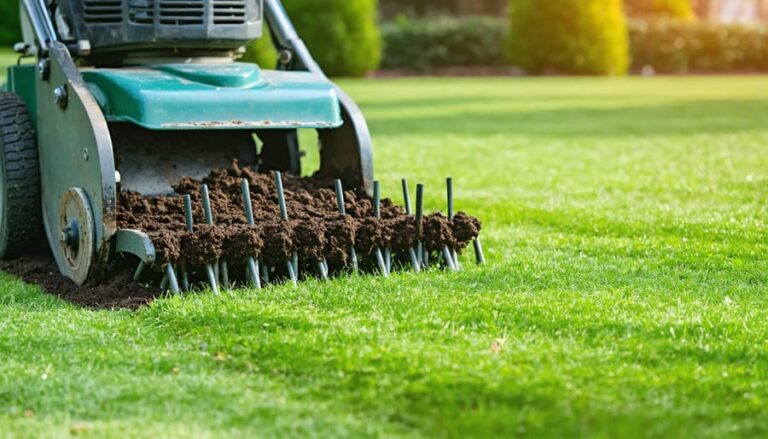
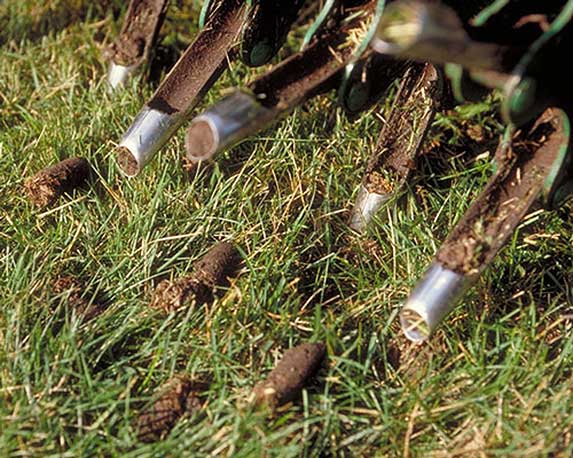
Compacted soil works against all of this. When soil is packed tight, water runs off instead of soaking in, and roots cannot push down to find moisture. Core aeration once a year, or every 3 to 4 years for an average home lawn, opens the soil back up so water, air, and nutrients can move.
Why You Should Test Soil Before Spending on Fertilizer or Lime
A soil test is the only reliable way to know your pH and nutrient levels, and it costs far less than guessing wrong. A basic lawn soil test runs $11 to $30 per sample through most university extension labs, plus mailing (University of Maryland Extension). That is a small price next to the cost of bags of lime or fertilizer that the lawn cannot use.
Without a test, you are buying amendments blind. Adding lime when your pH is already fine can push it too high and lock up iron. Adding sulfur to soil that is already acidic makes the problem worse. The test report tells you exactly how much lime or sulfur to apply per 1,000 square feet, so you treat the actual problem instead of throwing money at the lawn.
Retest every 3 years to track pH, since it drifts slowly over time.
Common Soil Mistakes That Keep Lawns Thin
- Skipping the soil test: You cannot see pH or nutrient levels by looking at the grass, so amending without a test usually wastes product or makes the soil worse.
- Adding lime every year out of habit: Lime raises pH, and over-liming pushes soil alkaline, which locks up iron and yellows the grass.
- Fertilizing to fix yellow grass that is actually a pH problem: If the pH is off, the nitrogen will not reach the roots, so the lawn stays pale no matter how much you feed it.
- Ignoring compaction: Hard, packed soil blocks water and air, so aeration matters as much as any bag of product you buy.
Frequently Asked Questions
What is the ideal soil pH for a healthy lawn?
Most turfgrasses grow best at a soil pH between 6.0 and 7.0, where nutrients stay soluble and roots can absorb them (University of Georgia Extension). Some grasses, like centipedegrass, tolerate more acidic soil down to about 5.0.
How much does a lawn soil test cost?
A basic lawn soil test costs $11 to $30 per sample through most university extension labs, plus mailing (University of Maryland Extension). Some labs run a bit lower for a basic fertility package and higher for added tests.
Why is my grass yellow even though I fertilize it?
Yellow grass despite regular feeding often points to a pH problem, not a fertilizer shortage. Above a pH of 7.5, iron becomes insoluble and grass yellows from iron chlorosis even when iron is present in the soil (UNH Extension, 2025). A soil test will confirm it.
How often should you test lawn soil?
Test your lawn soil every 3 years to monitor pH, since it shifts slowly over time. Test before establishing a new lawn or before adding lime or sulfur.
Can good soil fix a lawn without fertilizer?
Healthy soil with the right pH and organic matter reduces how much fertilizer you need, because roots can access existing nutrients and microbes recycle organic matter into usable form. Most lawns still benefit from some nitrogen, since soil rarely supplies enough on its own.
How do I improve poor lawn soil?
Start with a soil test to find your pH, then apply lime or sulfur in the amounts the report recommends. Add compost or leave grass clippings to build organic matter, and core aerate to relieve compaction so water and air reach the roots.