Essential Lawn Mower Maintenance Every Homeowner Should Know
TL;DR
- Change engine oil once a season (or every 50 hours of use), using SAE 30 for most 4-stroke engines (Briggs & Stratton)
- Replace the spark plug every season for reliable starting; it takes about 10 minutes and costs under $5
- Clean or replace the air filter every 25 hours or at the start of spring — a clogged one cuts engine power noticeably
- Sharpen the blade at least twice a mowing season; a dull blade tears grass instead of cutting it, leaving ragged tips that turn brown
- DIY seasonal maintenance runs $20-$45 in parts for a push mower (Angi, 2026); skipping it leads to engine damage that costs far more to fix
What Lawn Mower Maintenance Actually Covers
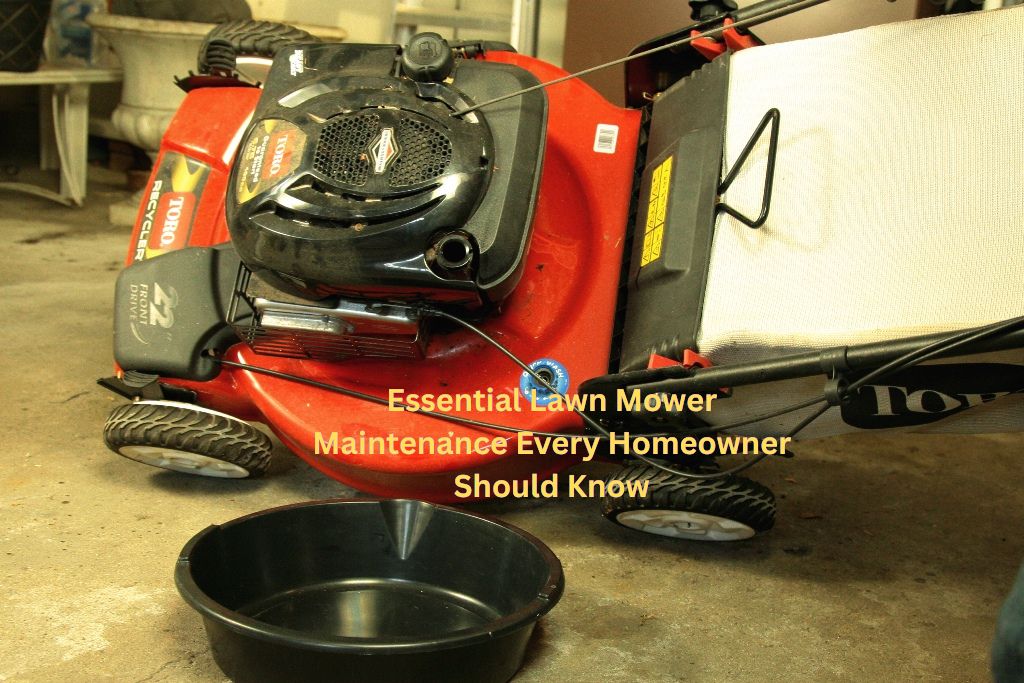
Lawn mower maintenance is the set of routine tasks that keep the engine running cleanly, the blade cutting accurately, and the fuel system free of deposits. It covers oil changes, spark plug replacement, air filter swaps, blade sharpening, deck cleaning, and fuel management.
Most homeowners with a gas push mower need to spend about 30-60 minutes once a year on full preventive maintenance, plus a few minutes after each mow cleaning the deck. Skipping these steps leads to uneven cutting, hard starting, and, eventually, engine damage that costs far more to repair than the parts ever would have.
How Much Does Lawn Mower Maintenance Cost?
DIY maintenance parts for a standard gas push mower run $20-$45 per season for oil, a spark plug, and an air filter (Angi, 2026). If you add blade sharpening at a shop, expect to pay an additional $10-$20. Professional full-service tune-ups for a gas push mower run $25-$70 and for a self-propelled mower, $30-$97 (Lawn Love, 2025).
Doing it yourself takes the cost down to roughly $10-$30 in most cases, depending on the parts your specific mower needs.
| Service | DIY Cost | Professional Cost |
|---|---|---|
| Oil change (push mower) | $5-$10 | Included in tune-up |
| Spark plug replacement | $3-$6 | Included in tune-up |
| Air filter replacement | $6-$15 | Included in tune-up |
| Blade sharpening | $5-$10 (file/stone) | $10-$20 at a shop |
| Full seasonal tune-up | $20-$45 (parts only) | $25-$97 depending on mower type |
Sources: Angi (2026), Lawn Love (2025)
When to Change the Engine Oil

credit: https://thegardenfixes.com/
Change the engine oil once per season or every 50 hours of use, whichever comes first (Briggs & Stratton). For a brand-new mower or engine, also do a first oil change after the initial 5 hours of operation – this flushes out any metal particles from the break-in period.
For most 4-stroke push mowers running in temperatures above 40°F, SAE 30 is the right oil. Briggs & Stratton specifies SAE 30W for warm-weather use and 5W-30 for year-round or cold-climate applications. Check your owner’s manual if you’re unsure – using the wrong viscosity doesn’t just hurt performance, it increases wear.
Before tipping the mower to drain the oil, always disconnect the spark plug wire first. That’s non-negotiable anytime you’re working around the engine or blade.
How to Check and Replace the Spark Plug
Replace the spark plug every season for reliable starting, or every 100 hours of use (Briggs & Stratton). A worn spark plug is the most common cause of a mower that cranks but won’t fire. The fix takes about 10 minutes and costs under $6 for most mowers.
Pull the rubber boot off the old plug, unscrew it with a spark plug wrench (usually 5/8″ for most small engines), and thread in the new one. Most replacement plugs are pre-gapped, so you don’t need to adjust the gap unless your manual specifies otherwise. Push the boot firmly back on until it clicks.
Common spark plug types for popular mowers:
- Briggs & Stratton engines: typically Champion RC12YC or equivalent
- Honda GCV160 (on Toro Recycler, Honda HRX series): NGK BPR6ES
- Kawasaki FR series: Champion RC14YC
Always match the plug to your specific engine model – the engine model number is stamped on the block.
When to Clean or Replace the Air Filter
Clean or replace the air filter every 25 hours of operation, or at the start of each season (Briggs & Stratton). In dusty conditions – sandy soil, dry summer heat, leaf season – check it more often. A clogged air filter is like trying to run the engine through a wool scarf: it starves the combustion chamber of oxygen, drops power, and increases fuel consumption.
Briggs & Stratton engines use three types of air filters: paper, foam, and a combination of foam and paper.
- Paper filters: tap out loose debris and replace once dirty or at 25 hours
- Foam filters: wash in warm soapy water, let dry completely, then re-oil with a light coat of fresh engine oil before reinstalling
- Combination filters: replace the foam pre-cleaner every 25 hours, the paper cartridge every 100 hours
A replacement paper air filter typically costs $6-$12 at any hardware store or online.
How Often Should You Sharpen the Blade?
credit: https://www.yourgreenpal.com/
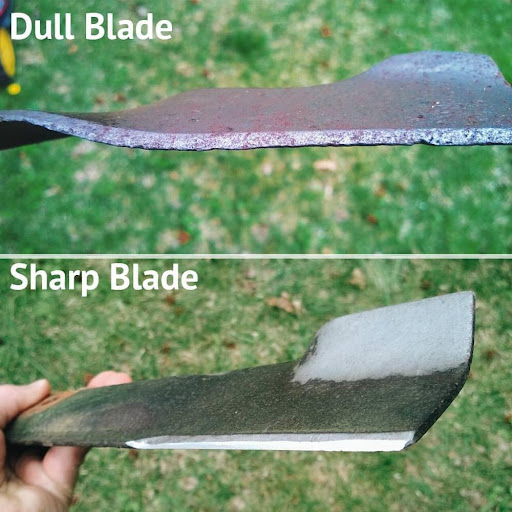
Sharpen the lawn mower blade at least twice per mowing season – once at the start of spring and again around midsummer. For homeowners mowing a typical quarter-acre yard weekly, that interval works well. If you’re mowing rough terrain, hitting rocks or exposed roots, or mowing more than 2 acres, sharpen every 8-10 mowing sessions.
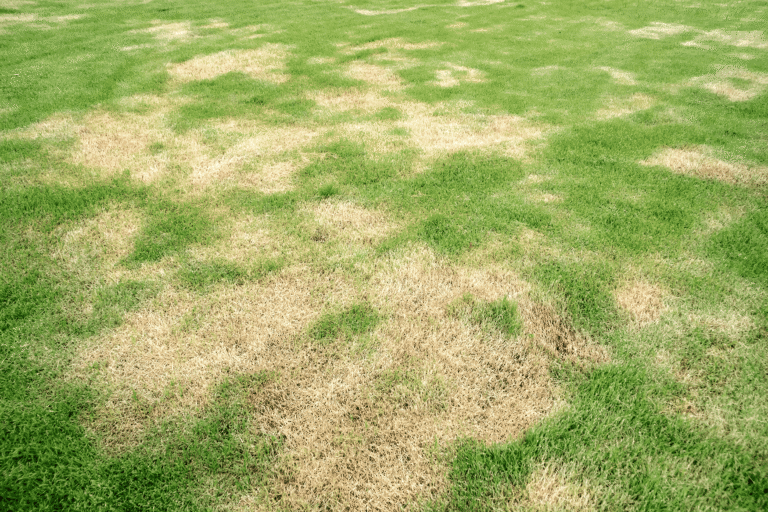
You’ll know the blade needs sharpening when the grass tips look torn and ragged after mowing rather than clean-cut. Torn tips turn brown within a day or two. A dull blade also makes the engine work harder, burning more fuel and wearing faster.
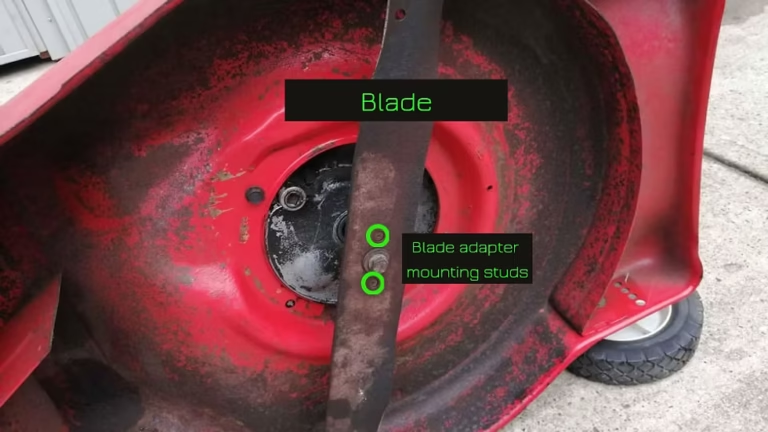
Before removing the blade, disconnect the spark plug wire. Tip the mower with the air filter and spark plug side facing up to avoid oil getting into those components. Use a blade balancer after sharpening – an unbalanced blade causes the whole mower to vibrate excessively and wears out the crankshaft bearings over time.
Deck Cleaning and Fuel Storage
Clean the underside of the mower deck after every mow, or at minimum after every few uses. Grass clippings pack tightly under the deck and hold moisture against the metal, leading to rust and corrosion. A scraper and a garden hose (with the engine off and spark plug wire disconnected) handle the job in about five minutes.
For off-season storage, fuel management is the most overlooked step. Gas goes stale in as little as 30 days and leaves gum deposits in the carburetor and fuel lines (Briggs & Stratton). Two options: add a fuel stabilizer like STA-BIL when you fill the tank, or run the mower until the tank and carburetor run completely dry before storage. Stale fuel sitting in the carburetor over winter is the single most common reason a mower won’t start in spring.
Common Maintenance Mistakes That Cost You More
- Skipping the first oil change on a new engine: Metal particles from manufacturing circulate in the oil during the break-in period. Changing at 5 hours flushes them out before they cause wear.
- Using fresh gas from a can that’s been sitting for weeks: Ethanol-blended fuel degrades fast, especially in hot weather. Buy fresh gas and use a fuel stabilizer if the can sits more than two weeks.
- Removing the blade without disconnecting the spark plug wire: The engine can kick over if the blade moves. This is a genuine safety risk.
- Tipping the mower with the carburetor side down: Oil floods into the air filter housing and can damage the carburetor. Always tip with the air filter side up.
- Over-tightening the spark plug: Hand-tight plus a quarter to half turn is correct. Overtightening strips the threads in the cylinder head, which is an expensive fix.
Frequently Asked Questions
How often should you change the oil in a lawn mower?
Change the oil once per season or every 50 hours of use, whichever comes first (Briggs & Stratton). For a brand-new engine, do an additional oil change after the first 5 hours. Most homeowners mowing a standard suburban yard need to change it once in the spring before the season starts.
What type of oil does a lawn mower use?
Most 4-stroke gas push mowers use SAE 30 motor oil in warm weather (above 40°F). Briggs & Stratton specifies SAE 30 for temperatures above 40°F and 5W-30 for year-round or cold-climate use. Always check your owner’s manual – some overhead-valve engines specify 10W-30.
How do you know when a lawn mower blade needs sharpening?
The most obvious sign is grass tips that look torn or ragged after mowing and turn brown within a day. You may also notice the mower pulling to one side, or the engine running louder under load. A sharp blade cuts clean; a dull one tears.
Can you leave gas in a lawn mower over the winter?
Leaving untreated gas in the mower over winter is one of the most common causes of spring starting failure. Ethanol in modern pump gas attracts moisture and leaves deposits in the carburetor. Either add a fuel stabilizer like STA-BIL before storage, or run the engine dry before putting it away.
How much does a full lawn mower tune-up cost?
DIY tune-up parts for a gas push mower run $20-$45 for oil, spark plug, and air filter (Angi, 2026). A professional tune-up at a service shop runs $25-$70 for a push mower and $30-$97 for a self-propelled model (Lawn Love, 2025). Riding mowers typically run $92-$223 for a full professional service.
Is lawn mower maintenance something a homeowner can do themselves?
Yes, for push and walk-behind mowers. Oil changes, spark plug swaps, air filter replacements, and deck cleaning all require basic tools and take under an hour combined. Riding mowers involve more steps and more risk of error – if you’re not experienced with small engine work, professional service is worth it there.