Circular Brown Patches in Lawn: What’s Causing It
Circular brown patches in lawn grass usually come from one of three causes: a fungal disease like brown patch, grub feeding on the roots underneath, or nitrogen burn from animal urine. You can narrow it down fast with a simple tug test and a look at the patch's size, edge, and what's happening underground. A single confident guess from across the yard isn't reliable, so work through the signs below before you buy anything to treat it.
The Quick Diagnostic Test
Before anything else, walk to a patch and pull gently on the grass at its edge.
- If the grass lifts away with almost no resistance and the soil underneath feels spongy or loose, suspect grubs.
- If the blades resist pulling but individual leaves snap or pull free while the roots stay put, suspect fungal disease.
- If the patch is small (roughly the size of a dinner plate or smaller), has a ring of darker green grass around a dead or yellowing center, and there's no sign of insects, suspect urine damage.
None of these tests is perfect on its own. Weather, mowing height, and how long the patch has been there all shift the picture, which is exactly why a lawn that's spreading fast or covering a large area deserves a second look from a local cooperative extension office or a lawn-care professional rather than a home remedy guess.
What Fungal Brown Patch Looks Like
The most common fungal cause of circular brown patches is brown patch disease, caused by the soil-borne fungus Rhizoctonia solani. According to NC State Extension (accessed 2026-09-18), the disease produces roughly circular, thinned patches of light brown turf ranging from a few inches to several feet across, and the fungus is most active when nighttime temperatures stay above 60°F and daytime highs climb past 85 to 90°F with extended leaf wetness.
Two visual clues separate brown patch from other causes:
- The "smoke ring." In early morning, before the dew dries, a thin band of grayish, cobweb-like fungal growth can appear at the patch's outer edge.
- The doughnut pattern. On some lawns, the center of an older patch recovers while the ring around it stays damaged, leaving a doughnut shape rather than a solid circle.
Brown patch tends to show up after a stretch of hot, humid weather, heavy dew, or overwatering, and it often follows heavy nitrogen fertilizing in late spring or early summer. It rarely kills the grass crown outright, so a lawn that's otherwise cared for often recovers once conditions dry out and mowing/watering habits change. If you want a broader read on what other fungal issues can look like on your specific grass, lawn fungus signs you should know covers the other patterns worth ruling out.
What Grub Damage Looks Like
Grubs are the larval stage of common lawn beetles, including Japanese beetles, May/June beetles, and masked chafers. They feed on grass roots just below the surface, which cuts the plant off from water and nutrients from underneath rather than attacking the leaf blades directly.
The tell is texture, not shape. Grub-damaged turf feels spongy and rolls back like loose carpet because the roots holding it in place are gone. Patches often start small and irregular, then widen and merge as the grub population grows through summer into early fall. Skunks, raccoons, or birds tearing up patches of turf looking for a meal is another strong sign, since they're digging for the grubs themselves.
To confirm it, cut and peel back a one-foot square of turf in a damaged area and count what's underneath. A few C-shaped white grubs are normal in most lawns; a heavier concentration is what actually causes visible dieback. For the full picture on identifying and timing treatment around the grub life cycle, see grub damage in lawns explained.
What Urine Damage Looks Like
Urine spots have a distinct look that neither fungus nor grubs produce: a small, roughly circular dead or yellowed patch with a ring of noticeably darker, greener grass around the outside edge. The pattern comes from nitrogen concentration. A high dose of nitrogen in one spot burns the grass at the center, while the diluted nitrogen at the patch's outer edge acts like a light fertilizer application, greening up the ring instead of killing it.
These patches are usually smaller than fungal patches, staying in roughly the six-to-ten-inch range rather than spreading to several feet, and they show up wherever an animal repeatedly uses the same spot rather than following a weather pattern. There's no spongy give underfoot and no insects to find, which is what separates it from grub damage.
Fixing an existing urine spot mainly comes down to diluting the area with water soon after the damage appears and reseeding or patching bare soil once the dead grass is removed. If the damaged spot lines up with a dormancy period instead of a nitrogen burn, it's worth ruling that out first; is my grass dormant or dead walks through the test for telling the two apart before you dig anything up.
Two More Look-Alikes Worth Ruling Out
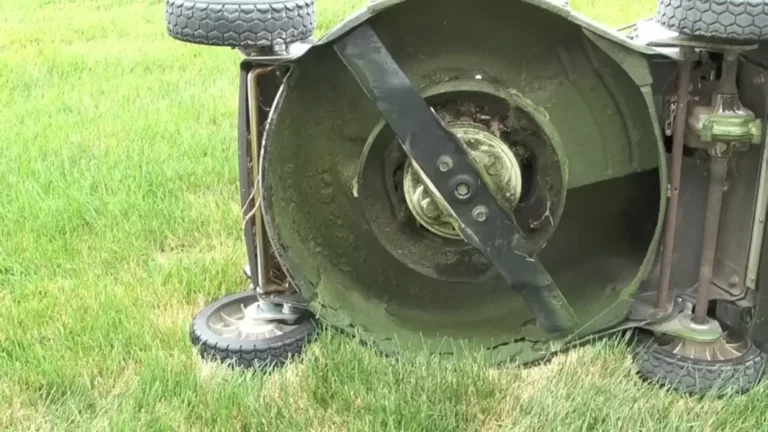
Not every off-color patch is fungus, grubs, or urine. Drought stress often shows up as dull, grayish-brown grass in the driest, highest-traffic parts of the yard, usually in irregular patches that follow the sun and slope rather than tight circles, and it recovers with consistent watering rather than any treatment. A dull or damaged mower blade can also scorch the tips of the grass into a brownish cast across whole sections of the lawn in the pattern of the mowing path, not a circle, which is a quick thing to rule out before assuming disease. If neither the shape nor the underfoot feel point to fungus, grubs, or urine, one of these two is worth checking first.
Side-by-Side Comparison
| Sign | Fungal Brown Patch | Grub Damage | Urine Burn |
|---|---|---|---|
| Typical size | A few inches to several feet | Starts small, widens over weeks | 6 to 10 inches |
| Edge appearance | Smoke ring or doughnut shape | Irregular, ragged | Dark green ring around dead center |
| Underfoot feel | Firm, blades break off | Spongy, rolls up like carpet | Firm, no roots disturbed |
| Weather link | Hot, humid, wet leaf surfaces | Late summer into fall | No weather link, repeat traffic |
| Other clues | Cobwebby fungal growth in early morning | C-shaped larvae under turf, animal digging | No insects, no fungal growth |
When to Call In Help Instead of Guessing
If patches keep spreading week over week, cover a large share of the lawn, or come back in the same spot every year despite changes to watering and mowing, that's past the point of a home remedy. According to NC State Extension (accessed 2026-09-18), homeowner-grade fungicides for brown patch are largely preventive rather than curative, meaning they need to go down before the disease shows up to do any good, not after. A local cooperative extension office can confirm which disease or pest is actually present, and a lawn-care professional has access to preventive fungicide programs and insecticide timing that aren't available over the counter. Guessing wrong at this stage usually means paying twice: once for the wrong treatment, once for the right one.
Preventing Circular Brown Patches in Lawn Grass Going Forward
Most of the prevention work overlaps across all three causes:
- Aerate and dethatch in the fall to improve drainage and air movement through the root zone, which reduces the wet, humid conditions fungal disease needs.
- Water deeply and less often, in the morning rather than the evening, so grass blades aren't sitting wet overnight.
- Overseed thin or damaged areas once the underlying cause is fixed, ideally timed to your region's fall window. When to overseed lawn in fall covers how to time it so new grass actually establishes before winter.
- Rotate where pets spend time if urine spots keep showing up in the same corner of the yard, since repeat traffic in one area is what concentrates the nitrogen enough to burn.
None of these fixes work well until the actual cause is confirmed, which is the reason the diagnostic step above comes first, not last.
FAQ
Are circular brown patches always a fungus?
No. Circular shape alone doesn't confirm a fungal cause. Grub damage and urine burn both produce roughly circular dead spots too, which is why the tug test and edge appearance matter more than the shape by itself.
Will circular brown patches go away on their own?
Sometimes, if the underlying cause resolves. Brown patch disease often fades once hot, humid weather breaks, since it damages leaf blades rather than the crown. Grub and urine damage generally need active repair, since the roots or the grass itself are already dead in the center.
How long does it take for brown patch fungus to go away?
Recovery timing depends on weather and turf health, and isn't the same on every lawn, so treat any specific number as a general range rather than a guarantee. Cooler, drier weather is usually what allows regrowth to start.
Can I treat for grubs and fungus at the same time if I'm not sure which one it is?
It's better to confirm first. Treating for the wrong cause wastes the application and delays the actual fix, and a cooperative extension office can usually confirm which one is present from a sample or a description of the damage.
Do circular brown patches spread to the whole lawn?
Fungal brown patch can spread across a lawn under the right hot, humid conditions, and heavy grub populations can widen and merge over a season. Urine spots generally stay isolated to wherever the traffic pattern concentrates, so they don't spread the same way.