Lawn Thin After Seeding: What Went Wrong
A lawn thin after seeding almost never comes down to just one problem. It is usually a stack of small ones: seed that never made firm contact with soil, watering that dried out or drowned the seedbed, a mow that came too soon, or a patch of ground that was working against the grass from the start (too much shade, compacted soil, or a fertility gap during establishment). Some thin spots are also cosmetic and temporary; a young stand can look sparse for weeks before it fills in on its own. The fix depends on which of these actually happened on your lawn, so work through the checklist below before you decide the seeding failed.
Lawn Thin After Seeding: Start With a Quick Diagnostic Pass
Before treating anything, walk the thin areas and look for a pattern. It tells you which category of cause to chase:
- Even, lawn-wide thinness usually points to a germination-stage problem: seed-soil contact, watering, or timing.
- Thinness confined to specific zones usually points to a site condition in that zone: shade, compaction, drainage, or a pest.
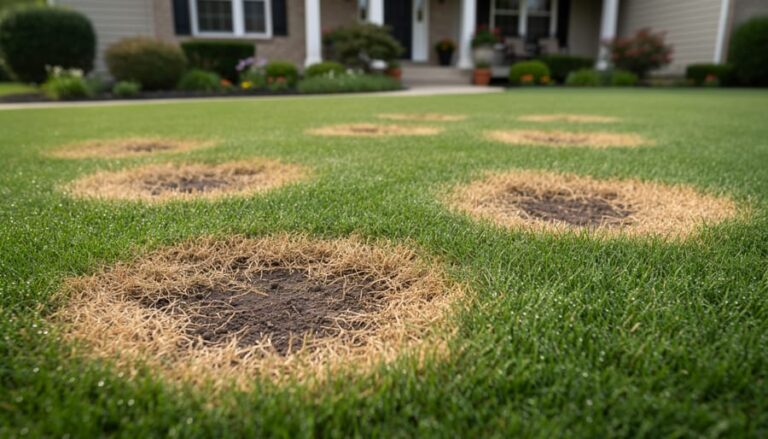
- Thinness that is spreading, has a distinct shape (rings, streaks, or a spreading discolored patch), or keeps getting worse week over week is different from ordinary sparse germination, and that pattern is worth ruling out separately rather than guessing at a home fix.
Seed Never Made Contact With the Soil
Grass seed germinates poorly when it sits on top of hard or thatchy ground instead of touching bare soil. If the area wasn't raked, dethatched, or lightly scratched before seeding, a large share of the seed can wash away, get eaten, or simply sit exposed and dry out. According to the University of Maryland Extension, read 2026-09-18, poor seed-to-soil contact along with soil drainage, pH, compaction and moisture swings are among the leading causes of weak germination and thin seedling stands. If you seeded over existing turf or bare dirt without any soil prep, thin, patchy results are the expected outcome, not a fluke.
Watering Was Inconsistent, Not Just Insufficient
New grass seed needs the top layer of soil to stay consistently damp, not soaked and not dried out between waterings. A single missed watering cycle during the first one to two weeks can stall or kill seedlings that had already started to sprout, which shows up later as a patchy, thin stand rather than a total failure. Overwatering causes its own version of the same problem: waterlogged soil starves young roots of oxygen and can float lightweight seed right off the spot you put it. If your watering schedule depended on memory rather than a fixed routine, uneven moisture is one of the most common and most fixable causes of a thin result.
The Seed Went Down at the Wrong Time, or the Wrong Seed for the Site
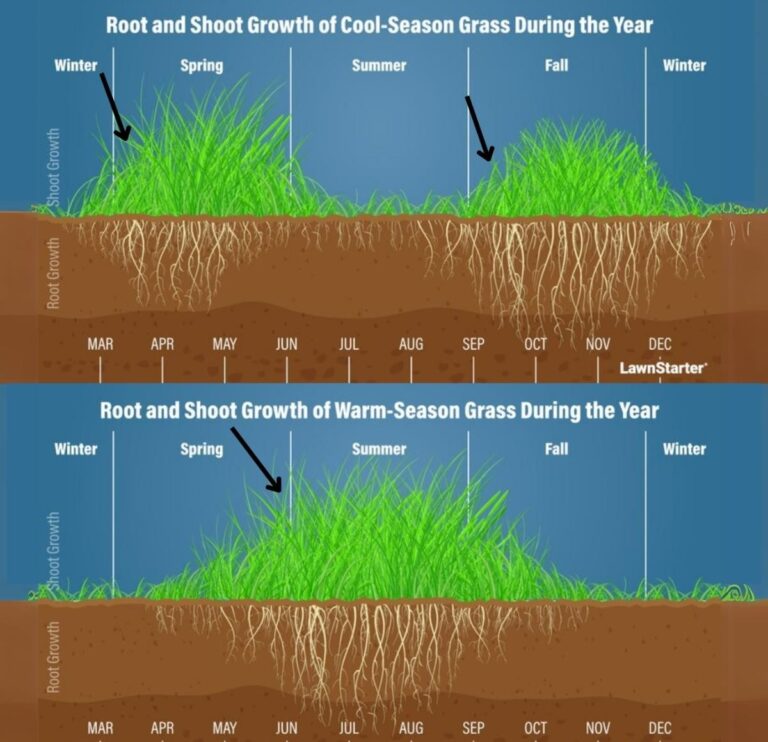
Cool-season grass seed needs sustained soil temperatures in a specific range to germinate well, and seed put down too early in spring or too late in fall can sit dormant, germinate weakly, or lose the establishment window before winter. Timing is only half of it. If the area gets more shade than the seed blend was suited for, or the soil and climate zone don't match what was planted, part of the thinness is a mismatch, not a mistake in technique. It's worth checking what actually grows well in your specific zone before reseeding the same blend into the same spot and expecting a different result.
A Leftover Herbicide or Weed-and-Feed Application
Pre-emergent herbicides and combination weed-and-feed products are built to stop seeds from establishing, and they don't distinguish between crabgrass and the grass seed you just put down. If a pre-emergent or weed-and-feed product went down on that ground earlier in the season, it can suppress germination for weeks afterward, which shows up as a thin, weak stand even when everything else about the seeding was done correctly. The product label is the governing authority here: it states the actual re-seeding interval for that formulation. Check the label before you seed over ground that was treated earlier in the year, and if you aren't sure what was applied or when, treat that as a live possibility rather than ruling it out.
Mowed Too Soon or Too Low
New grass seedlings have shallow, fragile roots for weeks after they emerge. Mowing before the stand has rooted in, or scalping it down to a short height early on, stresses or kills seedlings that were otherwise on track. Purdue's turfgrass science program lists premature mowing alongside inadequate irrigation and improper fertilization as recurring reasons new lawns fail to establish well, read 2026-09-18. The safer approach is to wait until the new grass actually needs cutting and then remove only a portion of the blade height, rather than mowing on the same fixed schedule as the rest of the lawn. If you mowed the new area at the same height and frequency as established turf, that alone could account for a thin, weak stand.
A Fertility Gap During Establishment
Germinating seed draws on stored energy in the seed itself for the first stage of growth, but the seedling needs a nutrient source shortly after that to keep building roots and leaf tissue. A starter fertilizer applied at seeding, followed by a light feeding a few weeks later, supports that transition. Skipping it, or fertilizing too heavily in one pass, can leave young grass stalled out and visibly thinner than a stand that got steady, moderate feeding.
Compacted or Poor-Quality Soil Underneath
Grass seed can germinate and still struggle if the soil underneath resists root growth. Heavy foot traffic, construction equipment during a build, or dense clay soil compresses the pore space roots need to reach oxygen and water. A lawn that came in thin despite reasonable watering and mowing habits, particularly around walkways, gates, or a side yard that gets cut-through traffic, often points to compaction rather than a seeding mistake. Core aeration before the next reseeding pass, followed by a light topdressing, gives new roots somewhere to actually go. If the site was disturbed by construction and the topsoil layer feels shallow when you probe it with a trowel, a simple soil test through your local extension office is worth doing before you invest in another round of seed.
Pests or Disease, Not Just a Slow Stand
Two causes get missed because they look like ordinary thin germination at first glance. Grub feeding on roots just below the surface can thin or kill patches of young grass from underneath, and the damage tends to spread outward rather than fill in; if you can see signs consistent with grub damage, that's a different fix than reseeding again. Fungal disease can also mimic a weak stand, especially in warm, humid, or overwatered conditions, and some early signs of lawn fungus look almost identical to seedlings that simply didn't germinate. If thinning has a distinct shape, is spreading week to week, or shows up alongside discoloration that doesn't match dry soil, that pattern is worth having confirmed by your local cooperative extension office or a lawn-care professional rather than guessing at a home remedy, since the wrong treatment on an active disease or grub population can make the damage worse.
The Seeding Rate Was Too Light, or Went Down Unevenly
Even with perfect conditions, grass seed spread too thin, or spread unevenly by hand instead of with a calibrated spreader, will come in patchy simply because there wasn't enough seed per square foot in some spots to begin with. Walking a grid pattern with a spreader set correctly for the seed you're using, rather than broadcasting by eye, is the difference between an even stand and a lawn with visible gaps that never quite close.
What to Do Once You Know the Cause
If the diagnosis points to a technique issue (seed-soil contact, watering, timing, mowing, or fertility), the fix is usually a targeted reseed of the thin areas rather than starting the whole lawn over. Rake or lightly scratch the surface first so new seed actually touches soil, keep the top layer consistently damp through germination, and hold off mowing until the new grass has genuinely rooted in. Fall is the more forgiving window for cool-season lawns to fill in bare and thin spots, and knowing when to overseed in fall matters more than rushing to fix it the same week you notice it. If the diagnosis points to shade, correct the plant material for the site rather than reseeding the same blend into a spot it was never suited for. If the diagnosis points to compaction, aerate before you reseed, not after. And if the pattern points to pests or disease, get that confirmed before you spend another round of seed on the same ground.
FAQ
How long should I wait before deciding a seeded lawn is actually thin, not just young?
Give it the full germination window for the grass type, plus another two to three weeks of growth, before judging density. Even a healthy stand can look sparse while individual plants are still filling out and tillering.
Can I just reseed over the thin spots right away?
You can, but reseeding without fixing the cause (poor soil contact, inconsistent watering, wrong seed for the site, compaction, a herbicide residue, or an active pest or disease issue) usually produces the same thin result. Diagnose first, then reseed the same area if the cause was a fixable technique issue.
Does thin grass after seeding always mean the seed was bad?
Rarely. Seed quality is one possible factor, but seed-to-soil contact, watering consistency, timing, mowing, soil compaction, and site conditions like shade account for most thin outcomes.
Is patchy thinning ever normal for new grass?
Some unevenness during early establishment is normal, especially near the edges of the seeded area. Thinning that is spreading, shaped in rings or streaks, or getting worse rather than filling in is not the normal pattern and is worth having checked.
Should I fertilize a thin, newly seeded lawn heavily to speed it up?
No. A light, steady feeding schedule suited to new seedlings supports establishment better than a heavy single application, which can stress young roots instead of helping them.