How to Maintain a Healthy Lawn Year-Round: A Seasonal Guide
TL;DR
- Lawn maintenance follows four seasonal phases: spring startup, summer upkeep, fall recovery, and winter prep
- Mow at the correct height for your grass type – cutting too short is one of the most common causes of lawn decline
- Fertilize in fall for cool-season grasses and late spring for warm-season grasses for best results
- Water deeply and infrequently – 1 inch per week is the standard target for most US lawns (Turfgrass Water Conservation Alliance, 2023)
- A basic seasonal routine takes 2-4 hours per month and prevents most common lawn problems before they start
What “Year-Round Lawn Maintenance” Actually Means
credit: https://mygreenerylife.com/
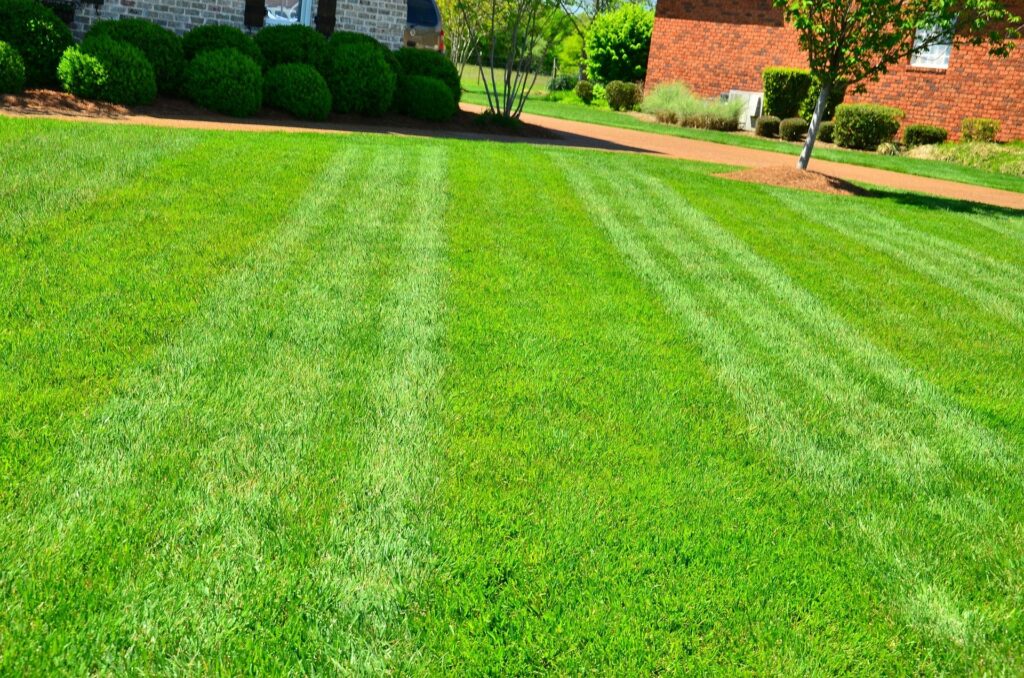
Year-round lawn maintenance is a seasonal schedule of mowing, watering, fertilizing, aerating, and weed control timed to match how your grass grows. It is not a single task or product – it is a four-season system where each phase sets up the next one.
Most lawn problems – thin patches, weeds, brown spots, disease – trace back to skipping one of these phases or doing the right task at the wrong time of year.
Spring: Wake Up Your Lawn the Right Way
Spring maintenance starts when soil temperature reaches 50-55°F consistently, which typically falls between late March and mid-April across most of the US.
What to do in spring:
- Rake and dethatch – Remove dead grass and debris that built up over winter. A thatch layer thicker than half an inch blocks water and nutrients from reaching roots.
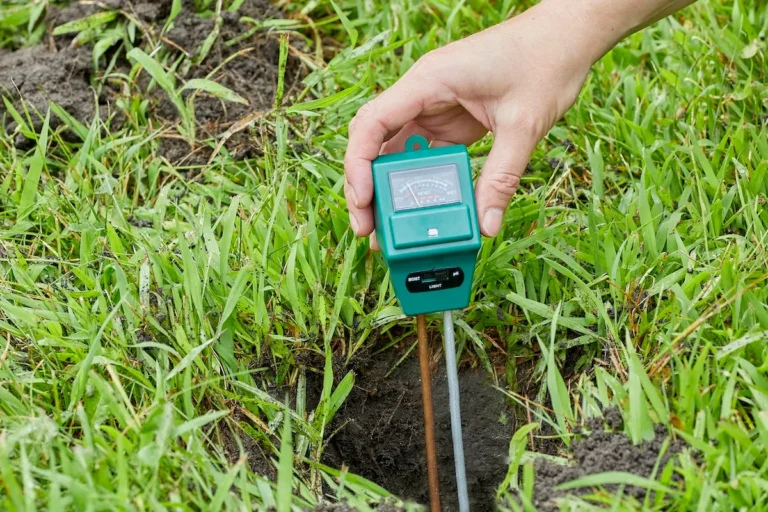
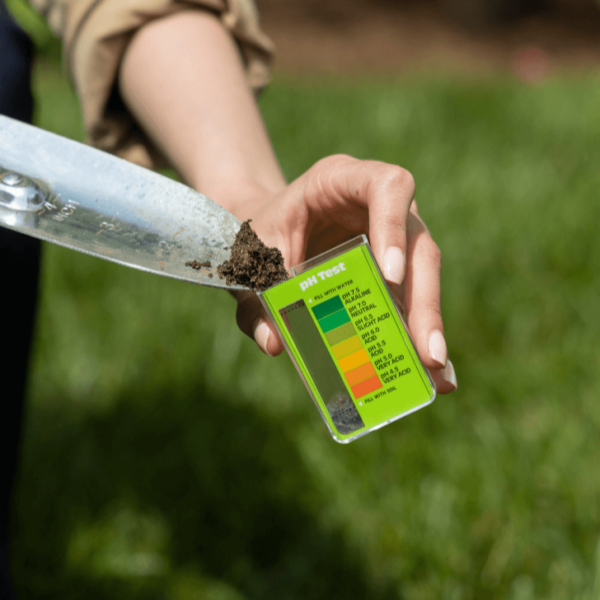
- Soil test – A basic soil test from your county extension office costs $10-$20 and tells you exactly what nutrients your lawn is missing before you spend money on fertilizer.
- Overseed bare patches – Thin or bare areas from winter damage fill in faster when seeded in early spring while soil moisture is high.
- Apply pre-emergent weed control – Pre-emergent herbicide stops crabgrass and other annual weeds before they sprout. Timing matters: apply before soil hits 55°F or you miss the window entirely.
- First mow – Set your mower deck to 3-3.5 inches for cool-season grasses. Never remove more than one-third of the blade height in a single mow.
| Spring Task | Timing | Cost Estimate |
|---|---|---|
| Soil test | Early spring | $10-$20 (county extension) |
| Pre-emergent herbicide | Before soil reaches 55°F | $25-$60 per bag (covers 5,000 sq ft) |
| Overseeding bare patches | Early to mid spring | $15-$40 for seed |
| First fertilizer application | Mid spring | $30-$60 per bag |
Summer: Protect What You Built
Summer maintenance is about defense. Heat and drought stress grass, and a lawn that goes into summer underprepared will thin out and invite weeds.
Mowing in summer: Raise your mower deck by half an inch compared to spring. Taller grass shades the soil, holds moisture longer, and crowds out weeds. A Toro Recycler or Honda HRX217 with a well-sharpened blade cuts cleanly without tearing – torn grass tips turn brown within 48 hours and stress the plant.
Watering: Water deeply 2-3 times per week rather than a little every day. Deep watering pushes roots down; shallow daily watering keeps roots near the surface where heat kills them. Target 1 inch of water per week total, including rainfall (Turfgrass Water Conservation Alliance, 2023). Water early morning – before 10 AM – to reduce evaporation and fungal disease risk.
Watch for grubs: White grubs from Japanese beetles and June bugs feed on grass roots through mid-summer. If you can pull up sections of turf like a loose carpet, grubs are likely the cause. Treat with a grub control product containing imidacloprid or chlorantraniliprole in June or early July before damage spreads.
Fall: The Most Important Season for Long-Term Lawn Health
Fall is the highest-impact maintenance window for cool-season grasses, which covers most of the northern two-thirds of the US. Grass roots grow aggressively in fall even as top growth slows down.
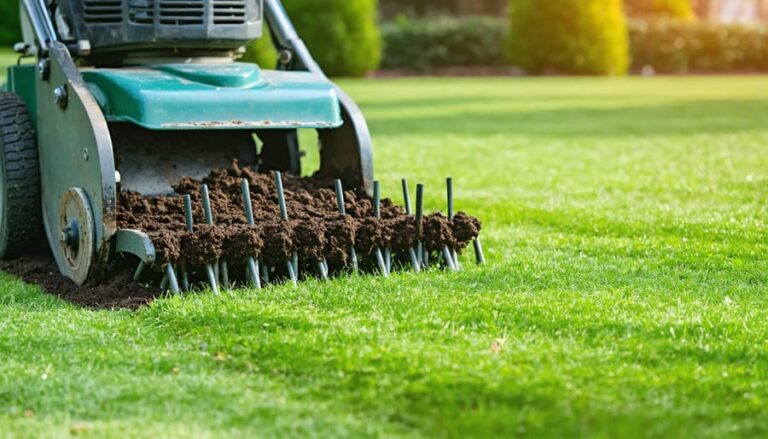
Aerate in early fall: Core aeration – pulling plugs of soil from the lawn – breaks up compaction, improves drainage, and lets fertilizer reach the root zone. Rent a core aerator from Home Depot or Lowe’s for $70-$90 per day, or hire a lawn service for $75-$200 depending on yard size (Angi, 2024).
Fertilize after aerating: Apply a slow-release fall fertilizer with higher potassium after aerating so nutrients go directly into the loosened soil. This is the single fertilizer application that pays back the most for cool-season lawns.
Overseed thin areas: Fall overseeding gives seed 4-6 weeks of warm soil before winter. Use a turf-type tall fescue or Kentucky bluegrass blend matched to your region. Scotts and Pennington both sell regionally formulated seed mixes.
Final mow: Drop your mowing height slightly for the last 1-2 cuts of the season – to around 2.5 inches. This reduces the risk of snow mold forming under matted long grass over winter.
Winter: Protect Your Lawn and Your Equipment
credit: https://kansasturfmasters.com/
Winter lawn care is mostly about what you do not do. Avoid walking on frozen or frost-covered grass – foot traffic on frozen turf crushes the grass crown and leaves dead tracks that do not recover until late spring.
Winterize your mower: Run the fuel tank dry or add a fuel stabilizer like Sta-Bil before storing. Old gasoline left in the carburetor over winter is the single most common cause of a mower that will not start in spring. Change the oil, replace the spark plug, and store the mower in a dry space off a concrete floor if possible.
Salt damage near driveways: Road salt and ice melt products damage grass along driveways and walkways. Use a calcium chloride-based product near lawn edges instead of sodium chloride, which raises soil pH and damages roots over time.
Common Mistakes That Cost You More in the Long Run
- Cutting grass too short: Scalping the lawn stresses roots, burns the turf in heat, and gives weeds an opening. Keep cool-season grasses at 3-4 inches through summer.
- Watering at night: Evening watering leaves moisture on blades overnight and creates ideal conditions for fungal disease, including brown patch and dollar spot.
- Skipping the soil test: Guessing at fertilizer type and rate wastes money and can push soil pH in the wrong direction. A $15 test removes the guesswork entirely.
- Fertilizing in summer heat: Summer fertilizing with nitrogen pushes top growth during heat stress and increases disease risk. Time nitrogen applications for spring and fall.
Frequently Asked Questions
How often should you fertilize your lawn?
Most US lawns need 2-4 fertilizer applications per year depending on grass type. Cool-season grasses respond best to fall and early spring feeding. Warm-season grasses like Bermuda and zoysia peak in late spring through early summer. Over-fertilizing with nitrogen in summer causes more harm than under-fertilizing.
What is the best mowing height for a healthy lawn?
The right mowing height depends on grass type. Cool-season grasses like tall fescue and Kentucky bluegrass do best at 3-4 inches. Warm-season grasses like Bermuda tolerate shorter cuts of 1.5-2.5 inches. The one-third rule applies to all types: never remove more than one-third of the blade height in a single mow.
How much water does a lawn need per week?
Most lawns need 1 inch of water per week from rain or irrigation combined (Turfgrass Water Conservation Alliance, 2023). Sandy soils may need slightly more; clay soils hold water longer and need less frequent watering. A simple rain gauge placed in the yard tracks how much water your lawn is actually getting.
When should you aerate your lawn?
Aerate cool-season lawns in early fall, between late August and mid-October. Aerate warm-season lawns in late spring or early summer when they are actively growing. Aerating at the wrong time of year – like aerating a cool-season lawn in July – stresses the turf rather than helping it.
Can you maintain a healthy lawn without hiring a professional?
Yes. The core tasks – mowing, watering, fertilizing, and overseeding – are straightforward DIY work for most homeowners with a basic mower and a spreader. Professional help makes the most sense for large-scale aeration, grub treatment, or diagnosing persistent disease or weed problems that home products have not resolved.
What kills a lawn faster than anything else?
Compacted soil is the slow killer most homeowners overlook. When soil compacts, water runs off instead of soaking in, roots cannot expand, and grass thins gradually over several seasons. Annual aeration fixes this. The visible problems – weeds, thin patches, brown areas – are often symptoms of underlying compaction rather than standalone issues.