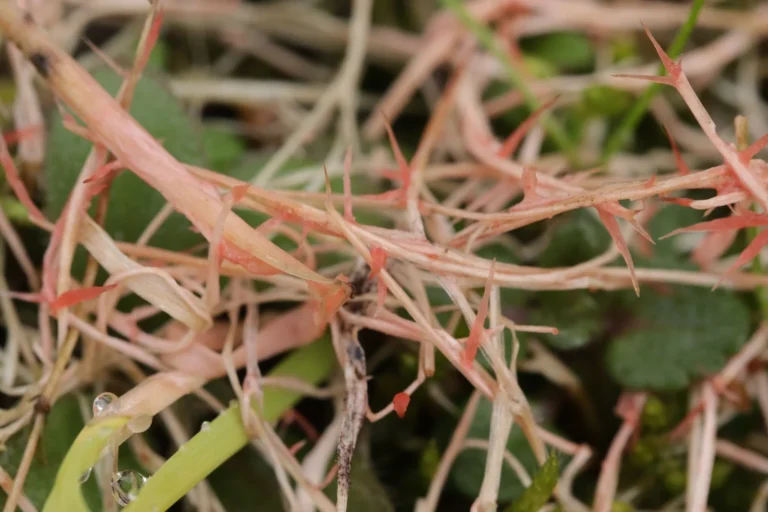
Why Fertilizer Doesn’t Work Sometimes (7 Real Causes)
TL;DR
- Fertilizer often fails because the soil pH is wrong, the grass is dormant, or the lawn never got watered in, so the nutrients sit unused.
- Most turfgrasses absorb nutrients best at a soil pH of 6.0 to 7.0; outside that range, nitrogen, phosphorus, and potassium get locked up.
- Warm-season grasses like Bermuda and zoysia barely use fertilizer until soil temperatures reach about 60 to 65 degrees Fahrenheit.
- Compacted soil and thick thatch block fertilizer from reaching the roots, so aeration often matters more than another bag of feed.
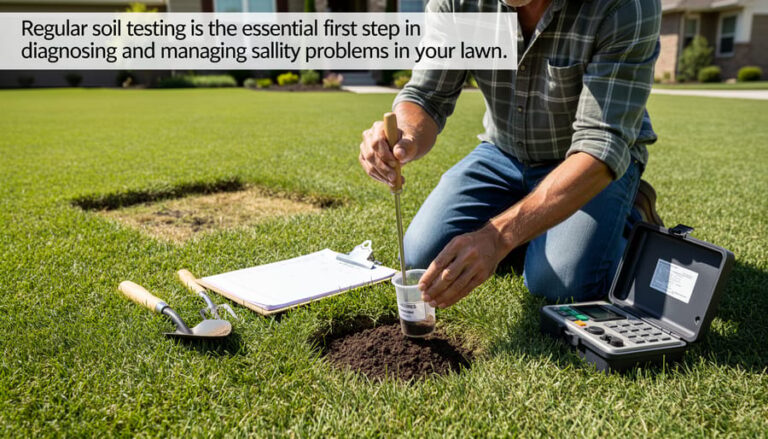
- Start with a soil test before you buy more fertilizer. It costs $15 to $20 through most university extension labs and tells you exactly what is wrong.
Why Does Fertilizer Sometimes Fail to Green Up a Lawn?
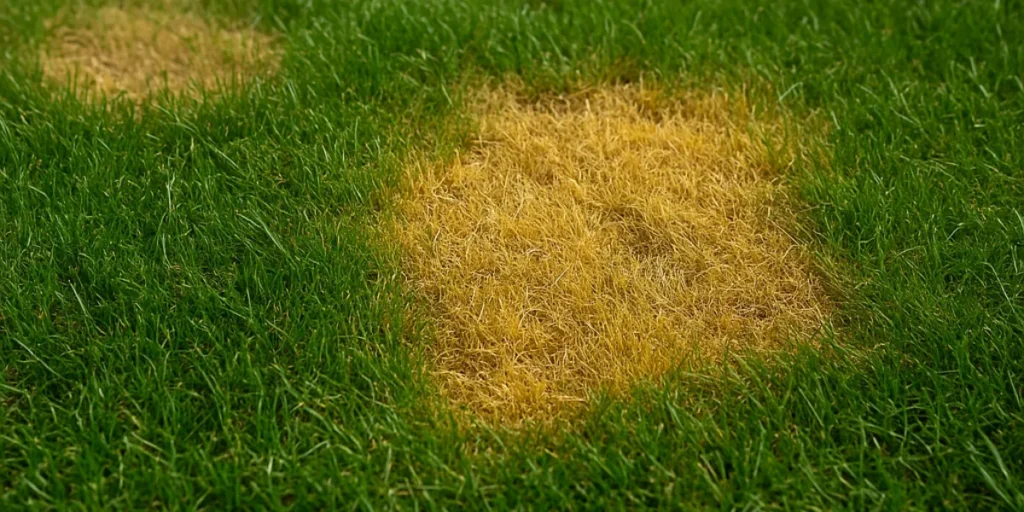
Fertilizer fails when something stops the grass from taking up the nutrients you applied, not because the bag was weak. The most common blockers are wrong soil pH, dormant grass, poor watering, compacted soil, and uneven spreading. In almost every case the nutrients are present but unavailable, so adding more makes the problem worse instead of better.
Think of it like pouring water into a glass with the lid still on. The water is right there, but nothing gets in. Before you reach for a second application, the goal is to find which lid is closed.
Why Soil pH Stops Fertilizer From Working
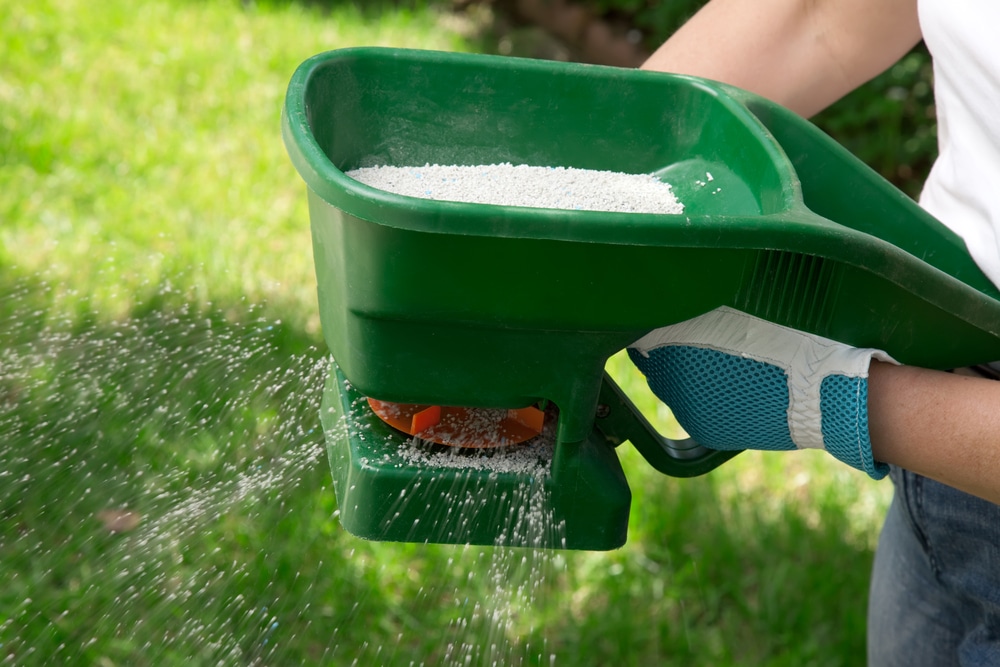
Soil pH controls whether grass can absorb the nutrients in your fertilizer, and the wrong pH locks them in place even after you spread. Most turfgrasses take up nutrients best between a pH of 6.0 and 7.0. When the soil drifts too acidic or too alkaline, nitrogen, phosphorus, and potassium become less soluble and the roots simply cannot reach them.
Below a pH of 6.0, phosphorus, nitrogen, and potassium availability drops, and magnesium and calcium often decline too. Push above 7.5 and micronutrients like iron, manganese, and zinc start to lock up instead. Either way, the fertilizer you paid for stays in the soil doing nothing.
Repeated nitrogen feeding can push soil acidic over time, which is one reason a lawn that responded well for years can quietly stop responding. A soil test is the only way to know your number.
Why Dormant Grass Wastes Fertilizer
Dormant grass cannot use fertilizer because its growth processes have nearly stopped, so the nutrients leach away before the lawn wakes up. Warm-season grasses such as Bermuda, zoysia, and St. Augustine stay mostly dormant until soil temperatures hold consistently around 55 to 60 degrees Fahrenheit, and they do not use fertilizer efficiently until soil hits about 60 to 65 degrees.
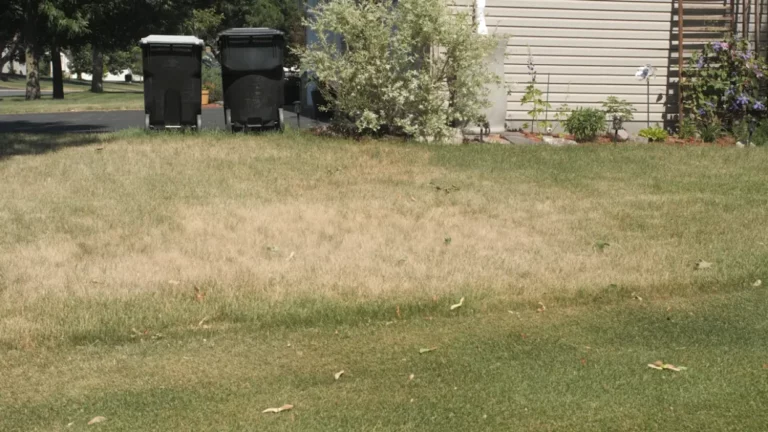
Feeding too early in spring is a classic miss. The lawn still looks brown and patchy because it is biologically asleep, the roots are inactive, and any nitrogen you apply either leaches out or feeds weed seeds instead.
The same applies in reverse for cool-season grasses during a summer drought. When a lawn goes brown and stops growing in July heat, that is dormancy, not hunger. Fertilizing dormant grass risks runoff and burn with no green-up to show for it.
Why Watering and Compaction Block Fertilizer
Watering and soil structure decide whether fertilizer ever reaches the roots, and getting either wrong cancels out the application. Too little water leaves granules sitting dry on the surface, while too much washes nutrients past the root zone before the grass can absorb them.
Compacted soil and a thick thatch layer create a second barrier. When soil is packed hard or thatch is more than half an inch deep, fertilizer sits on top instead of feeding the lawn. Core aeration opens small holes that let water, air, and nutrients move down to the roots.
| Hidden Problem | What You See | The Fix |
|---|---|---|
| Soil pH too low or high | Pale or patchy grass that ignores feeding | Soil test, then lime to raise pH or elemental sulfur to lower it |
| Grass is dormant | Brown lawn in early spring or peak summer | Wait for active growth and correct soil temperature, then feed |
| Underwatering | Granules visible, no green-up | Water in fertilizer with about a quarter inch right after spreading |
| Overwatering | Quick fade after feeding | Switch to deep, infrequent watering |
| Compaction or thatch | Fertilizer sits on the surface | Core aerate; dethatch if thatch tops half an inch |
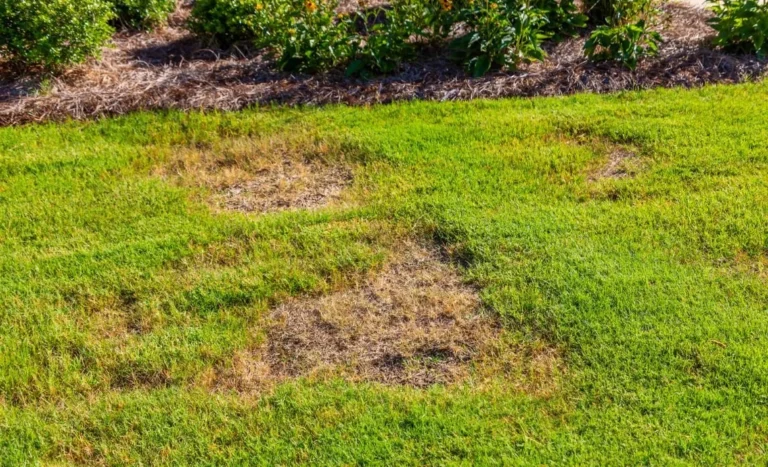
| Over-fertilizing | Brown tips, crispy or scorched patches | Pause feeding, water deeply, switch to slow-release |
| Uneven spreading | Dark green stripes next to pale strips | Use a calibrated spreader in a crosshatch pattern |
Common Mistakes That Waste Fertilizer
- Skipping the soil test: Guessing at what your lawn needs is the most expensive habit in lawn care, because you can spend a full season feeding a problem that lime or sulfur would have fixed for $20.
- Adding more when nothing happens: Over-fertilizing pulls moisture from the blades and causes yellowing, wilting, and weak roots, so a second bag often does more damage than the first.
- Spreading by hand: Hand-tossing creates dark green stripes next to pale strips; a broadcast or drop spreader run north-south then east-west keeps coverage even.
- Feeding before you water: Granules need moisture to dissolve and move into the soil, so dry fertilizer on a dry lawn just sits there until the next rain.
Frequently Asked Questions
How do I know if my soil pH is the problem?
The only reliable way is a soil test. Most university extension labs run one for about $15 to $20 and report your exact pH plus nutrient levels. Pale, patchy grass that does not respond to feeding is the common clue, but the test confirms it.
How often should you fertilize a lawn?
Most lawns do well with two to four feedings a year, timed to the grass type and active growth, not the calendar. Cool-season grasses are usually fed in early fall and spring, while warm-season grasses get fed through their summer growing window once soil temperatures climb.
Can you fix fertilizer problems yourself instead of hiring a pro?
Yes, in most cases. A soil test, a calibrated spreader, and a rented core aerator cover the majority of fixes. Call a professional if the lawn keeps failing after you have corrected pH, watering, and compaction, since the cause may be disease or pests.
What happens if you fertilize dormant grass?
The grass cannot absorb the nutrients efficiently, so they leach away or run off, and a heavy application can burn the lawn. You also risk feeding weed seeds before your grass wakes up.
How long before fertilizer shows results?
A quick-release fertilizer can green up an actively growing lawn within a few days to two weeks. Slow-release products work over six to eight weeks. If you see nothing after that on a growing lawn, the problem is usually pH, watering, or compaction rather than the fertilizer itself.
This is a topic where the fix is cheaper than the mistake. Before buying another bag, pull a soil test through your local extension office, check whether your grass is actually growing, and make sure water and air can reach the roots. Solve those first and the fertilizer you already own will start doing its job.
Sources
- University of Georgia Extension – optimal turfgrass pH range (6.0 to 7.0) and nutrient lockout
- University of New Hampshire Extension (2025) – nutrient availability below pH 6.0 and above 7.5; nitrogen feeding lowering soil pH over time
- Sod Solutions (2026) – warm-season soil temperature thresholds and early-spring fertilizer waste
- Scotts – fertilizing dormant grass and burn risk
- Don’s Lawn (2025) – under- and over-watering effects on nutrient uptake
- AOL / Real Simple (2026) – compaction and thatch barriers, over-fertilization symptoms, uneven spreading fix