5 Soil Problems That Kill Grass (and How to Fix Them)
TL;DR
- Most dead or thinning grass traces back to four soil problems: compaction, wrong pH, poor drainage, and nutrient lockout.
- A lawn or turf soil test costs $20 to $100, and university extension labs often run $6 to $30 per sample (Angi, 2026; UGA Extension, 2026).
- Grass grows best in soil with a pH of 6.0 to 7.0; outside that range, roots cannot absorb nutrients even when you fertilize (Penn State Extension; Purdue University Extension).
- Core aeration pulls plugs of soil 1 to 1.5 inches deep and is the standard fix for compacted lawns (University of Delaware Cooperative Extension).
- Test your soil first. Guessing at amendments wastes money and can make the problem worse.
What Soil Problems Actually Kill Grass?
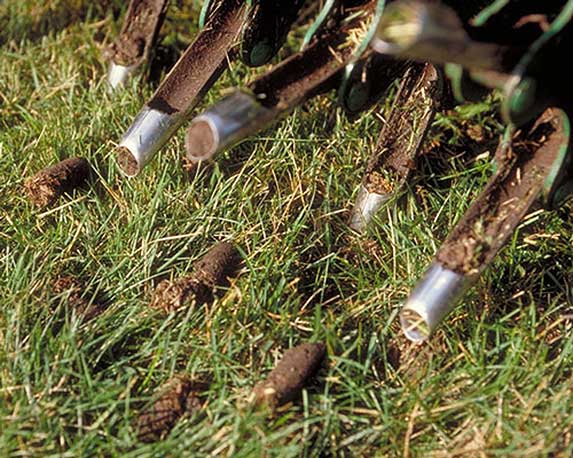
Four soil problems cause most dead grass: compaction, pH that sits too high or too low, poor drainage, and nutrient lockout. All four work below the surface, so the grass looks like the problem when the soil is the real cause.
Here is why that matters. You can water on schedule, fertilize twice a season, and mow at the right height, and still watch your lawn thin out. When the soil underneath cannot move air, water, and nutrients to the roots, none of that surface care reaches the plant. Grass roots need oxygen, open pore space, and a chemical environment that keeps nutrients available. Take any one of those away and the lawn declines no matter what you do up top.
The good news: each of these problems has clear symptoms and a known fix. The starting point is always the same. Test the soil before you spend money on amendments.
How Much Does It Cost to Diagnose Soil Problems?
A lawn or turf soil test costs $20 to $100 from a private lab or DIY kit, and university extension services often charge far less (Angi, 2026). University of Georgia Extension prices basic soil tests at $6 to $10 per sample, depending on the county office (UGA Extension, 2026). A basic test covers pH and the main nutrients, which is enough to catch most lawn-killing problems.
What you pay depends on the test type, the provider, and how many samples you submit. Specialized tests for salt or heavy metals run higher, and shipping to a distant lab adds cost.
| Test Type | Typical Cost | What It Covers |
|---|---|---|
| University extension basic test | $6 – $30 per sample | pH, phosphorus, potassium, lime recommendation |
| Private lab lawn/turf test | $20 – $100 per sample | pH, NPK, sometimes micronutrients and recommendations |
| DIY home kit | $10 – $30 | Basic pH and rough nutrient readings, fast but limited |
| Specialized test (salt, heavy metals) | $50 – $150 | Contaminants, sodium, specific concerns (Portage Turf, 2026) |
Most homeowners do not need the expensive options. A basic extension test, taken from several spots across the yard and mixed together, tells you what your soil is missing or holding too much of. Testing every 3 to 5 years is enough for an established lawn (HomeAdvisor, 2025).
Why Compacted Soil Suffocates Your Grass
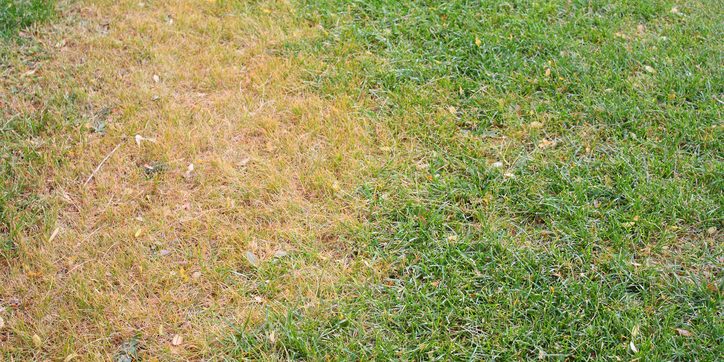
Compacted soil kills grass by squeezing out the air pockets that roots need to breathe, drink, and grow. When soil packs down tight, water, oxygen, and nutrients cannot reach the root zone, so the grass thins, yellows, and leaves bare patches even with good care.
Rutgers Cooperative Extension describes the damage as a triple threat: restricted roots, limited water uptake, and poor nutrient absorption (Rutgers Cooperative Extension). Heavy foot traffic from kids and pets, riding mowers, and parked vehicles all press the soil down, and it gets worse when the ground is wet (University of Vermont Extension). Clay-heavy soils compact faster than sandy ones.
A quick way to check: push a screwdriver into the lawn. If it stops short or takes real force to drive in, your soil is likely compacted.
The standard fix is core aeration. A core aerator pulls out plugs of soil, usually 1 to 1.5 inches deep, opening channels for air, water, and nutrients to reach the roots (University of Delaware Cooperative Extension). Adding compost or topdressing afterward feeds soil organisms that keep the pore space open over time.
How Wrong Soil pH Starves Grass That Looks Well-Fed
Soil pH outside the 6.0 to 7.0 range locks nutrients away from grass roots, so the lawn starves even when the nutrients are physically present in the soil. Most turfgrasses grow best in this slightly acidic to neutral window, where nitrogen, phosphorus, potassium, and iron stay soluble and available (Penn State Extension; Purdue University Extension).
When soil drifts too acidic, below 6.0, phosphorus becomes less available and aluminum and manganese can climb to levels that stunt or poison roots (Penn State Extension). Acidic soil also favors moss and certain weeds. When soil runs alkaline, above 7.0, iron becomes insoluble, and grass turns yellow because it cannot pull iron from the soil even though the iron is right there (Penn State Extension).
Penn State Extension notes that regional soils naturally acidify over time from rainfall and nutrient leaching, which slowly pushes pH below the healthy range for turf. That is why a lawn that looked fine a few years ago can start failing without any obvious change in your routine.
Grass type matters here. Kentucky bluegrass grows best at a pH of 6.0 to 7.0, while fescues tolerate a slightly wider band depending on the reference (Penn State Extension; USDA). The fix depends on direction: lime raises a low pH, and elemental sulfur lowers a high one. A soil test tells you how much to apply, which is the only reliable way to avoid overcorrecting.
Why Poor Drainage Drowns and Rots Your Lawn
Poor drainage kills grass by keeping the root zone waterlogged, which drowns the roots and invites disease. When water sits on the surface or drains slowly, roots cannot get oxygen, and the constant moisture feeds fungal problems and water-loving weeds.
Compacted and clay-heavy soils make this worse, since tight soil blocks water from soaking in (University of Vermont Extension). The result is puddling after rain, spongy ground underfoot, and patches that stay wet long after the rest of the lawn dries.
If water sits on your lawn or drains slowly, the problem may be drainage rather than pH or nutrients, even though the symptoms can look similar. Aeration helps by opening the soil, and adding organic matter like compost improves structure so water moves through instead of pooling. In severe cases, regrading or a French drain may be needed to move water off the lawn entirely.
Common Mistakes That Make Soil Problems Worse
- Fertilizing without testing pH first: If pH is off, the nutrients you spread stay locked up and you waste the money. Test before you feed.
- Aerating or driving on wet soil: Working wet ground compacts it further. Wait until the soil is moist but not soggy.
- Treating every yellow lawn as a nitrogen problem: Yellowing often comes from high pH locking out iron, not from a lack of fertilizer. A test sorts this out.
- Ignoring drainage and adding more water: A lawn that drains poorly does not need more watering. Extra water rots the roots faster.
Frequently Asked Questions
How much does a lawn soil test cost?
A lawn or turf soil test costs $20 to $100 from a private lab or DIY kit (Angi, 2026). University extension services are usually cheaper, often $6 to $30 per sample, and many include a lime or fertilizer recommendation (UGA Extension, 2026).
What is the ideal soil pH for grass?
Most turfgrasses grow best in soil with a pH of 6.0 to 7.0, slightly acidic to neutral (Penn State Extension). Within that range, nutrients stay available to the roots. Specific grass types vary slightly, so check your species before adjusting.
How do I know if my soil is compacted?
Push a screwdriver into the lawn. If it stops short or needs heavy force, the soil is likely compacted. Other signs include puddling water, thinning grass in high-traffic areas, and bare patches (Rutgers Cooperative Extension).
Can I fix soil problems myself instead of hiring a pro?
Yes. Homeowners can take soil samples, rent or buy a core aerator, apply lime or sulfur, and topdress with compost. The one step worth doing first is a soil test, which is cheap and removes the guesswork.
Why is my grass yellow even after fertilizing?
Yellow grass after fertilizing often means the soil pH is too high, which locks out iron so the grass cannot absorb it (Penn State Extension). It can also signal poor drainage. A soil test identifies the real cause before you waste more product.
How often should I test my lawn soil?
Testing every 3 to 5 years is enough for an established lawn (HomeAdvisor, 2025). Test again after major changes like new sod, heavy fertilizer use, or if the lawn suddenly starts failing despite normal care.
What to Do First
Start with a soil test from your local extension office. It costs little, often under $30, and tells you whether compaction, pH, drainage, or a nutrient problem is behind the dead grass. From there, the fixes are straightforward: aerate compacted soil, apply lime or sulfur to correct pH, and add compost to improve structure and drainage. Skipping the test and guessing at amendments is the most common way homeowners spend money without fixing the lawn.