Easy Ways to Improve Lawn Health Quickly
TL;DR
- The fastest visible improvements come from fixing your mowing height and watering schedule – both cost nothing and show results within two to three weeks.
- Most lawns need 1 to 1.5 inches of water per week applied in one or two deep sessions, not daily shallow sprinkles (Scotts, 2024).
- Soil pH should sit between 6.0 and 7.0 for most turfgrasses; outside that range, fertilizer you apply won’t absorb properly (Purdue University Extension).
- Aerating compacted soil and overseeding thin patches are the two changes with the biggest long-term payoff for neglected lawns.
- Dull mower blades tear grass instead of cutting it cleanly, leaving ragged tips that turn brown and invite disease – sharpen them at least once a season.
Why Your Lawn Looks Bad (and What’s Actually Fixable)
Most lawn problems trace back to four fixable causes: wrong mowing height, shallow watering, compacted or pH-imbalanced soil, and neglected equipment. You don’t need to rip out your lawn and start over. Addressing even two or three of these issues in the same season produces noticeable improvement fast.
The good news is that grass is forgiving. A lawn that looks patchy and pale in April can look solid green by June if you make the right changes early.
How Mowing Height and Frequency Affect Lawn Health
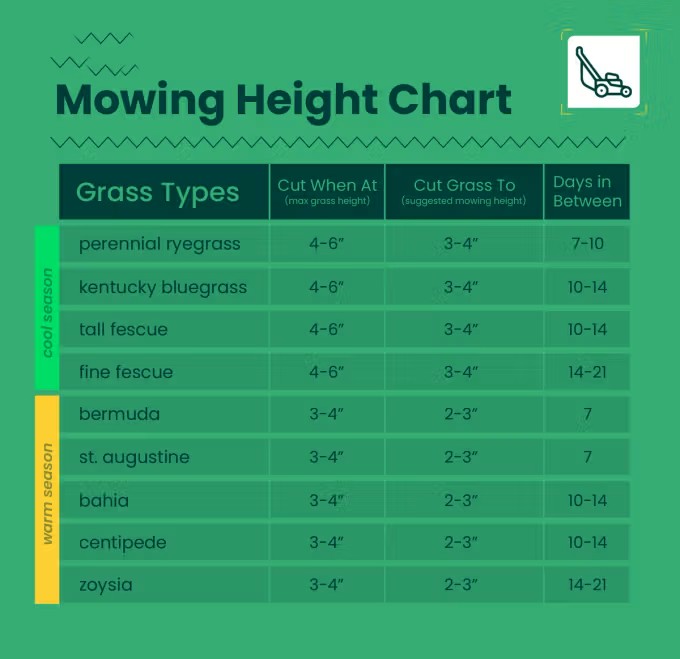
Mowing at the right height is one of the highest-impact changes you can make at no cost. Grass cut too short develops shallow roots, struggles through summer heat, and leaves gaps for weeds to fill.
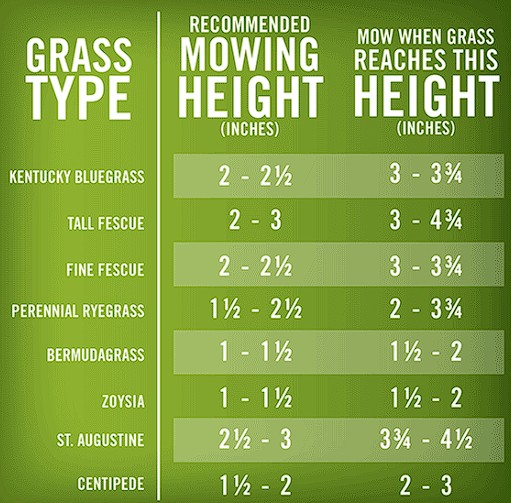
The standard guidance – backed by Kansas State University Extension – is the one-third rule: never remove more than one-third of the grass blade in a single mow. If you’re maintaining Kentucky bluegrass at 2.5 inches, mow again when it reaches about 3.5 inches. Cutting off more than a third stresses the plant and can temporarily halt root growth (Kansas State University Extension).
Here’s what that looks like in practice:
| Grass Type | Ideal Maintained Height | Mow When It Reaches |
|---|---|---|
| Kentucky Bluegrass | 2 – 2.5 inches | 3 – 3.5 inches |
| Tall Fescue | 3 – 4 inches | 4.5 – 6 inches |
| Perennial Ryegrass | 1.5 – 2.5 inches | 2.5 – 3.5 inches |
| Bermuda Grass | 1 – 1.5 inches | 1.5 – 2.5 inches |
| Zoysia Grass | 1 – 2 inches | 1.5 – 3 inches |
Raise your mowing height by half an inch during summer heat or drought. Taller grass shades the soil, slows moisture loss, and stays greener longer without extra watering.
Why Deep, Infrequent Watering Beats Daily Sprinkles
Watering too often and too shallowly is one of the most common reasons lawns fail to thrive. Short daily watering keeps moisture in the top inch or two of soil, so grass roots stay shallow and the lawn wilts at the first dry stretch.
Most established lawns need 1 to 1.5 inches of water per week, applied in one or two sessions rather than a little each day (Scotts). That amount wets the soil to 6 to 8 inches deep, where most grass roots grow. Deep roots can reach moisture even when the surface dries out.
Water in the early morning – between 6 a.m. and 10 a.m. – to reduce evaporation and lower the risk of fungal disease. Evening watering leaves grass wet overnight, which is the ideal condition for lawn fungus to develop.
A quick way to check whether you’re watering enough: push a long screwdriver into the soil after irrigation. If it goes in to 6 inches without much resistance, the water is reaching the root zone (TruGreen).
What Soil Testing Tells You That Fertilizer Labels Don’t
A soil test is the single fastest way to stop wasting money on fertilizer that isn’t working. Grass absorbs nutrients only when soil pH is in the right range. If pH is too low (acidic) or too high (alkaline), the nutrients you apply lock up in the soil and never reach the roots.
Acceptable soil pH for turfgrass is between 6.0 and 7.5. If soil pH drops below 5.5, grass struggles to absorb fertilizer nutrients efficiently, which leads to stunted growth and increased weed pressure.
Basic soil test kits are available at most garden centers for under $20, or you can mail a sample to your state’s university extension lab for a more detailed report. Purdue University Extension recommends testing your soil every three to five years. If your lawn has been fertilized regularly but still looks pale or thin, a pH problem is often the reason.
If the test shows acidic soil, apply ground limestone to raise pH. Penn State Extension recommends applying no more than 100 pounds of limestone per 1,000 square feet in any single application. Aerate the lawn before applying lime so it reaches the root zone faster.
Aeration and Overseeding: The Two-Step Fix for Thin or Patchy Grass
Aeration is the process of pulling small plugs of soil from the lawn to relieve compaction and let air, water, and nutrients reach the roots. It’s the most direct fix for lawns that feel hard underfoot, drain poorly, or show thin growth despite regular fertilizing.
The best time to aerate is during the grass’s active growing season – fall for cool-season grasses like tall fescue and Kentucky bluegrass, late spring for warm-season grasses like Bermuda and Zoysia. Core aerators (available as rentals at Home Depot and Lowe’s for around $70 to $90 per day) do a better job than spike aerators, which can actually increase compaction over time.
Pair aeration with overseeding to fill bare or thin patches. Spread seed immediately after aerating while the soil plugs are still open – seed-to-soil contact is what drives germination.
| Repair Method | Best Timing | Expected Results |
|---|---|---|
| Core aeration only | Fall or spring | Improved drainage and fertilizer uptake in 2-4 weeks |
| Aeration + overseeding | Fall (cool-season) or late spring (warm-season) | New growth visible in 10-21 days |
| Overseeding without aeration | Spring or fall | Slower and thinner germination |
| Topdressing with compost | Any active growing season | Improved soil structure over 1-2 seasons |
Sharp Mower Blades Make a Bigger Difference Than Most Homeowners Realize

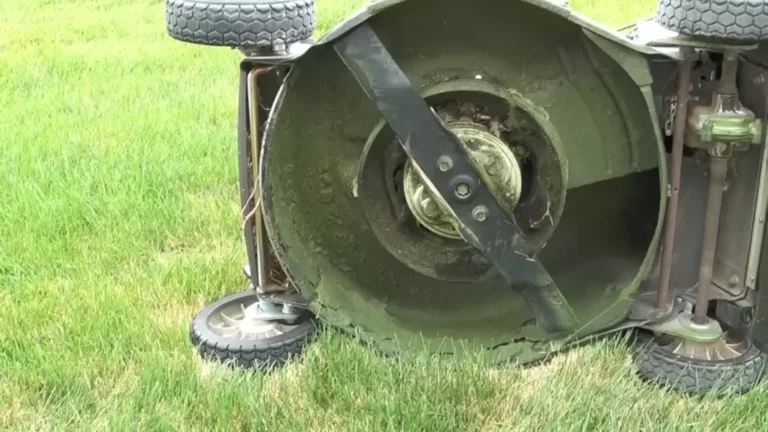
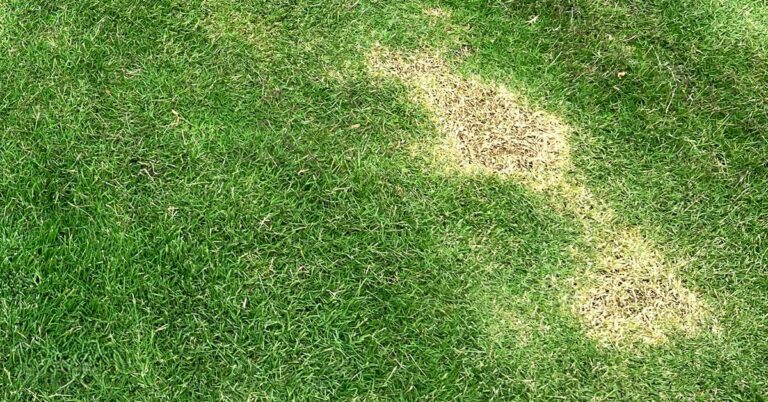
A dull blade doesn’t cut grass – it tears it. The ragged tip left behind turns brown within a day or two, giving the whole lawn a tan, stressed look even when it’s otherwise healthy. Torn grass also loses moisture faster and is more vulnerable to fungal infection.
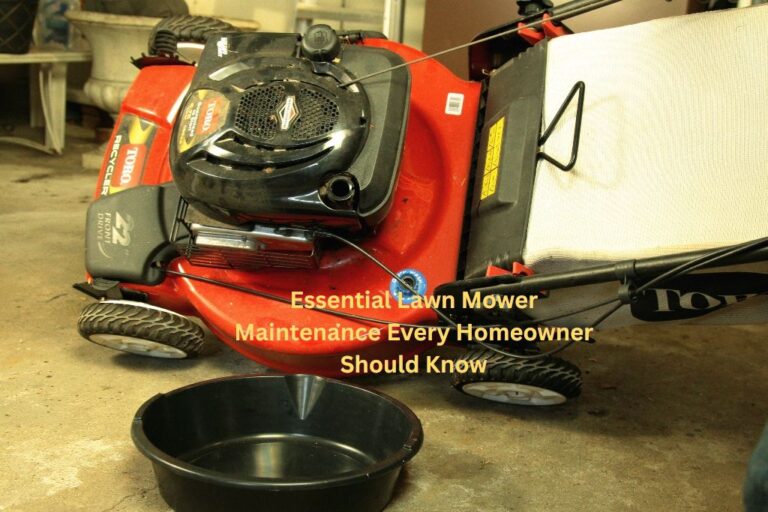
Sharpen your mower blade at least once per mowing season – twice if you’re mowing a larger yard or hitting occasional rocks and roots. The job takes about 20 minutes with an angle grinder or a file, or most small engine shops will sharpen a blade for $10 to $20.
A freshly sharpened blade cuts clean, leaves the tips green, and reduces the wear on your mower’s engine because it’s not fighting through resistance. It’s one of the cheapest and fastest ways to make a lawn look better almost immediately.
Common Mistakes That Slow Down Lawn Recovery
- Watering every day for a few minutes trains grass roots to stay shallow. Switch to one or two deep sessions per week and stick with it through the whole season.
- Cutting wet grass leaves clumps that block sunlight and smother the turf underneath. Wait until the lawn dries before mowing.
- Applying fertilizer to dry soil or during summer heat stress can burn grass. Fertilize when soil is moist and temperatures are moderate – spring and fall for most US regions.
- Skipping the soil test and guessing at lime or fertilizer needs often makes things worse, not better.
Frequently Asked Questions
How quickly can I improve my lawn’s health?
Visible improvement from mowing and watering changes appears within two to three weeks. Soil amendments like lime take longer – pH adjustment typically requires one to two growing seasons to fully take effect (Purdue University Extension).
How much water does my lawn need per week?
Most lawns need 1 to 1.5 inches of water per week – either from rain or irrigation – to wet the soil to 6 to 8 inches deep, where most turfgrass roots grow. Apply it in one or two sessions rather than daily.
Does mowing height really affect lawn health that much?
Yes, significantly. Turf cut too short typically has a shallow root system, lacks density, and often requires pesticide applications to manage weed and pest pressure that commonly develops in stressed lawns, per Kansas State University Extension.
When is the best time to aerate my lawn?
Aerate cool-season grasses (Kentucky bluegrass, tall fescue, perennial ryegrass) in early fall. Aerate warm-season grasses (Bermuda, Zoysia, St. Augustine) in late spring through early summer when they’re actively growing and can recover quickly.
Can I improve my lawn without renting an aerator?
For small bare patches, a garden fork pushed 3 to 4 inches into the soil and rocked back and forth accomplishes basic decompaction. For lawns larger than about 1,000 square feet, a core aerator rental gives far better results and is worth the $70 to $90 cost (Home Depot, Lowe’s, estimated 2025 rental pricing).
What’s the best time of day to water my lawn?
Early morning, between 6 a.m. and 10 a.m., is the best window. The soil is cool, wind is typically calm, and the grass surface dries quickly after sunrise, which reduces fungal disease risk. Evening watering leaves grass wet overnight and is a common cause of lawn fungus.