Are You Mowing Too Often? Signs to Watch For
TL;DR
- Mowing too often – especially cutting grass too short each time – stresses the plant, weakens roots, and opens the door for weeds and disease.
- The one-third rule is the most reliable guide: never remove more than one-third of the grass blade in a single mow (Utah State University Extension).
- Most cool-season lawns (Kentucky bluegrass, fescue, ryegrass) need mowing every 7 to 14 days; warm-season grasses like Bermuda may need it every 3 to 5 days during peak summer.
- Yellow or brown tips after mowing, thinning patches, and increased weed pressure are the clearest signs you’re mowing too often or cutting too short.
- If your lawn looks rough and stressed after every mow, raise the deck height and wait longer between cuts before doing anything else.
What “Mowing Too Often” Actually Means
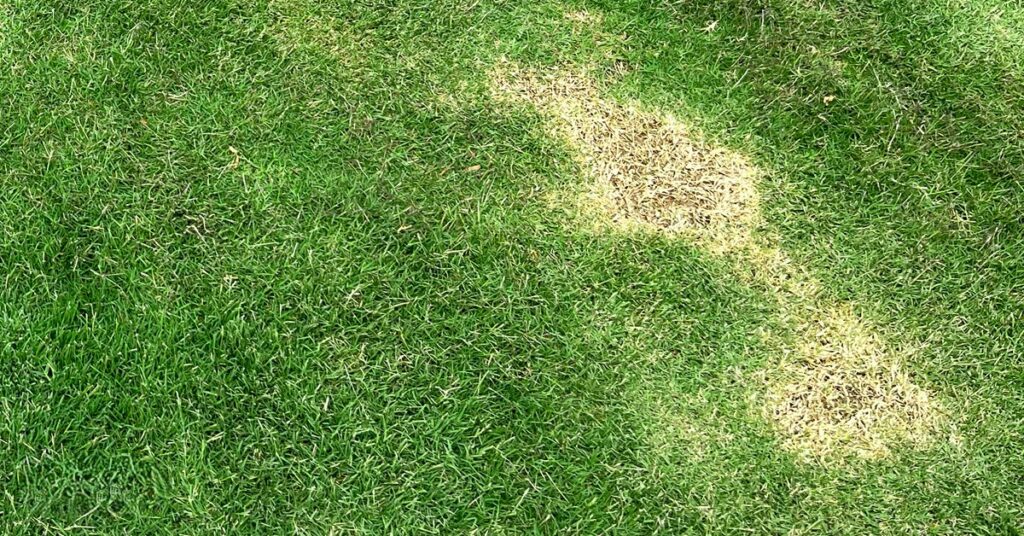
Mowing too often damages a lawn when each session removes too much blade length, drops the grass below its healthy height range, or both. The problem is less about the calendar and more about how much you’re cutting each time.
Grass blades are where photosynthesis happens. Cut them too short and the plant can’t produce enough energy to feed its root system. According to Utah State University Extension, you should never remove more than one-third of the total blade length in a single mowing session. Violate that rule consistently and you’ll see the results in your turf within a few weeks.
Warning Signs You’re Mowing Too Frequently
These symptoms show up on lawns that are being cut too often, too short, or both. If you see more than one of them at the same time, your mowing schedule is the most likely cause.
Yellow or Brown Grass Tips After Mowing
Yellowing or browning right after you mow is a sign the grass is stressed. When you remove too much of the blade, the plant can’t sustain the leaf tissue it has left, and the tips die back. Illinois Extension notes that lawns mowed too short consistently show more weed pressure and thinner coverage – both of which follow that initial tip dieback if the habit continues.
Thinning Turf and Bald Patches
Grass that’s mowed too short over time develops shallow roots. Without deep roots, the plant can’t access moisture or nutrients during dry stretches. This shows up as thin, sparse coverage – sometimes patchy areas where the grass simply gave up. Per Michigan State University Extension (2002), removing more than one-third of total leaf surface can severely injure the grass plant by decreasing its ability to support its underground portions.
Weeds Moving In
A low-mowed lawn is an open invitation for crabgrass and other opportunistic weeds. Taller grass shades the soil and keeps weed seeds from germinating. When you drop the height too low and mow too often, you remove that shade and give weeds a foothold. University of Nevada, Reno Extension recommends keeping lawn height at or near 3 inches specifically because taller grass shades out weeds and retains soil moisture.
Visible Scalping Lines
Brown streaks or patches in the width of your mower deck are a clear sign of scalping – cutting below the growing point of the grass crown. This happens when the deck is set too low or when you mow too soon after the last session on fast-growing turf. Scalped areas don’t bounce back quickly. University of Minnesota Extension (reviewed 2024) recommends alternating mowing patterns partly to avoid this kind of concentrated damage.
The Lawn Looks Worse, Not Better, After Every Mow
Healthy grass recovers quickly after mowing and often looks better within hours. If yours looks ragged, stressed, or discolored after every session, the issue is usually one of three things: cutting too short, mowing too often without letting the grass recover, or using a dull blade that tears rather than cuts.
How Often You Should Actually Be Mowing
The right mowing frequency depends on your grass type and the time of year, not a fixed weekly schedule.
| Grass Type | Peak Season Frequency | Recommended Height |
|---|---|---|
| Kentucky bluegrass | Every 7-10 days | 2.5 to 3.5 inches |
| Tall fescue | Every 7-10 days | 3 to 4 inches |
| Perennial ryegrass | Every 7-10 days | 2.5 to 3.5 inches |
| Bermuda grass | Every 3-5 days (summer) | 1 to 2.5 inches |
| Zoysia grass | Every 5-7 days (summer) | 1 to 2 inches |
| Centipede grass | Every 7-10 days | 1.5 to 2 inches |
Sources: Illinois Extension; University of Minnesota Extension, 2024; Michigan State University Extension, 2002.
During spring, cool-season grasses like Kentucky bluegrass and fescue grow fast enough that you may need to mow every four to five days to stay inside the one-third rule (Michigan State University Extension, 2002). During summer heat, that same lawn may only need mowing every 10 to 14 days. Chasing a fixed once-a-week schedule ignores what the grass is actually doing.
University of Missouri Extension turf scientist Brad Fresenburg suggests mowing more than once a week during the period of rapid spring growth – not to cut lower, but to avoid having to take off too much at once.
The One-Third Rule: Why It’s the Standard
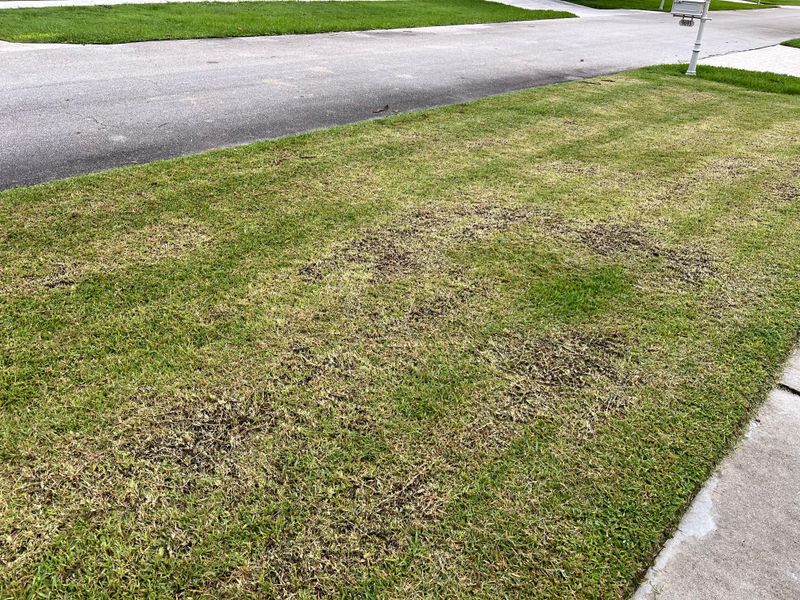
credit: https://positivebloom.com/
The one-third rule is the single most agreed-upon principle in lawn mowing, repeated by virtually every university extension program in the country. Never remove more than one-third of the blade in a single mow.
Here’s why it matters: grass blades produce the energy the plant needs to sustain its roots. Cut off too much at once and you’re essentially starving the plant. University of Arkansas Cooperative Extension explains that removing more than one-third of total leaf surface can severely injure the grass by cutting off its ability to feed the root system.
If your lawn got away from you and grew longer than usual, don’t drop the deck to cut it all off in one pass. Raise the deck, take off the top third, then wait a few days and mow again at the correct height. This “gradual step-down” approach avoids the shock of a hard scalp.
When More Frequent Mowing Is Actually Fine
Mowing frequently is not the problem by itself. The problem is cutting too short each time.
Warm-season grasses like Bermuda and Zoysia can handle mowing every three to five days during peak summer growth because they’re designed for it. Their dense, lateral growth pattern means they tolerate lower heights and more frequent cuts without the stress response you’d see in tall fescue or Kentucky bluegrass.
If you’re running a lawn tractor with a wide deck – say a Husqvarna TS 348D or a John Deere E180 – set the cutting height correctly for your grass type and you can mow as often as the grass demands without doing damage. The height setting matters far more than the frequency.
Mowing Mistakes That Stress the Lawn Faster
- Mowing when grass is wet: Wet grass clumps, cuts unevenly, and can spread fungal disease across the lawn. Wait until the turf is dry.
- Running a dull blade: A dull blade tears grass instead of cutting it cleanly. Torn tips turn brown, and the open wound lets pathogens in. Sharpen blades at the start of each season and again mid-summer if you mow frequently (University of Nevada, Reno Extension).
- Cutting at the same height in summer heat: University of Minnesota Extension recommends raising the mowing height by an inch during mid-summer to improve the lawn’s ability to handle heat and drying winds.
- Mowing in the same direction every time: This causes soil compaction and pushes grass to lean one way. Alternate patterns – north-south one week, east-west the next – to keep the turf growing upright.
Frequently Asked Questions
How do I know if I’m mowing too often?
The clearest signs are yellowing or browning tips right after mowing, thinning turf, and weed pressure in areas that were previously full. If your lawn looks stressed within a day or two of mowing and hasn’t had time to recover, you’re either cutting too often, too short, or both. Apply the one-third rule: check the current grass height before you mow, and only cut if removing a third of the blade would bring it to the right target height.
How often should you mow a cool-season lawn?
Most cool-season lawns (Kentucky bluegrass, tall fescue, perennial ryegrass) should be mowed every 7 to 14 days depending on growth rate, not on a fixed calendar (Illinois Extension). In spring, when growth is fast, you may need to mow every 5 to 7 days. In summer heat, you may go 10 to 14 days between cuts. Let the grass height guide you, not the date.
Can mowing too often kill your grass?
Repeated mowing that violates the one-third rule can permanently damage the crown of the grass plant – the growing point just above the soil. Once the crown is damaged, the plant cannot recover normally and the area may require reseeding or resodding (Michigan State University Extension, 2002). A single over-cut is unlikely to kill healthy turf, but doing it repeatedly over weeks will thin and eventually destroy affected areas.
What is the correct mowing height for a typical home lawn?
For most cool-season home lawns in the US, a height of 2.5 to 3.5 inches is the standard range (Illinois Extension). University of Minnesota Extension recommends 3 inches or higher for typical residential Midwest lawns, with an increase to 4 inches during mid-summer heat stress. Warm-season grasses run lower: Bermuda at 1 to 2.5 inches, Zoysia at 1 to 2 inches.
Should I mow before or after fertilizing?
Mow before fertilizing, not after. Mowing right after applying fertilizer removes material the grass blades haven’t yet absorbed. If you use a lawn care product that requires the turf to be dry and upright for proper contact, mowing shortly after disrupts that. Wait at least two days after applying any fertilizer or treatment before mowing again (Sunday Lawn Care, 2025).
What happens if I skip mowing for two or three weeks?
If you let cool-season grass go unmowed for two to three weeks during peak spring growth, it can easily reach 6 to 8 inches or more. At that point, you cannot safely cut it back to 3 inches in one pass without violating the one-third rule and scalping the lawn. You’d need to take it down gradually over two or three mowing sessions spaced a few days apart. Tall grass also shades its own lower blades, reducing airflow and creating conditions where fungal disease can develop (LawnStarter, 2025).
Quick Reference: Signs You’re Mowing Too Often
- Yellow or brown tips appearing within 24-48 hours of mowing
- Thin or patchy turf where it was previously thick
- Visible soil or bare spots between grass plants
- Weed pressure increasing in areas that were previously dense
- The lawn looks scalped or lower than surrounding areas after each cut
- Grass is not recovering its color or thickness between mowing sessions
If you’re seeing two or more of these at once, raise the deck, extend the time between cuts, and give the lawn two to three weeks to recover before evaluating again.