Simple Tricks to Improve Lawn Color Naturally
TL;DR
- The fastest fixes for pale grass are correcting soil pH and adding iron – both address why grass can’t use nutrients it already has.
- Most lawns need a soil pH of 6.0 to 7.0; outside that range, nitrogen and iron become unavailable no matter how much you apply (Penn State Extension).
- Raising your mowing height to 3-4 inches and leaving clippings on the lawn returns up to 25% of the nitrogen your grass needs at no cost (Purdue University Extension).
- Iron sulfate or chelated iron sprays deepen green color within 7-10 days without pushing excess blade growth.
- Start with a soil test ($15-$25 at most county extension offices) before spending money on fertilizer.
Why Your Lawn Looks Pale in the First Place
credit: https://emeraldlawnandturf.com/
Pale, washed-out grass usually comes down to one of three problems: the soil pH is off, the grass is iron-deficient, or the mowing and watering routine is working against color production. The fix depends on which problem you actually have, which is why guessing with a bag of fertilizer often doesn’t work.
Soil pH controls whether grass can absorb nutrients at all. When pH falls outside the ideal range, grass cannot properly absorb nitrogen, phosphorus, or potassium, even if those nutrients are present in the soil – the results are familiar: pale color, thinning turf, and bare patches.
Iron deficiency tells a slightly different story. Iron atoms sit at the center of every chlorophyll molecule. When soil iron becomes unavailable – usually in alkaline conditions – blades turn a washed-out yellow-green even while nitrogen remains plentiful. Adding more nitrogen only forces lanky growth that still looks dull.
Test Your Soil Before You Buy Anything
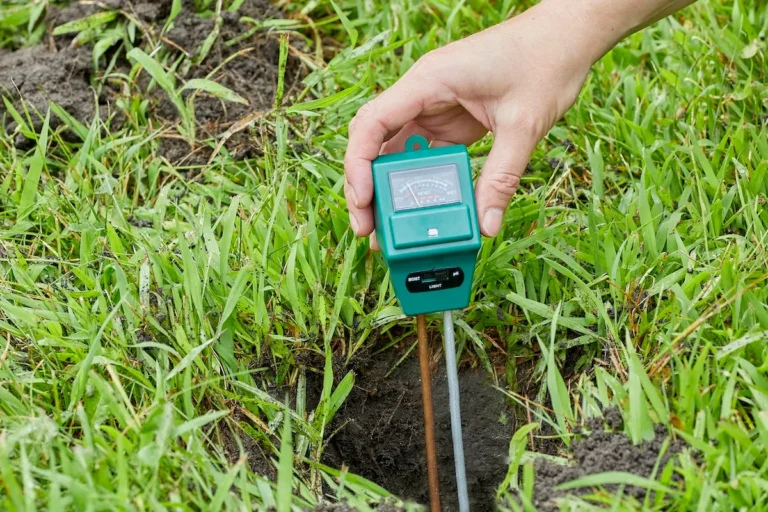
A soil test is the right first step, and it costs less than one bag of fertilizer. Most university extension offices charge $15-$25 for a standard test, and the results tell you exactly what your lawn is missing instead of letting you guess.
Most turf grasses prefer a slightly acidic to neutral pH range of 6.0 to 7.0. Within this window, nutrient availability stays balanced and beneficial soil microorganisms remain active. If your pH reads higher than 7.0, iron and manganese lock up in the soil and become inaccessible to grass roots. If it reads below 6.0, phosphorus and potassium uptake suffers.
To raise pH on acidic soil, apply pelletized lime following the test recommendation. To lower pH on alkaline soil, apply granular sulfur. Because regular nitrogen-heavy fertilizers gradually acidify soil, correcting pH is not a once-and-done activity – retest every 2-3 years to stay in range.
How Iron Deepens Color Fast Without Extra Growth
Iron is the most overlooked lawn color fix, and it works in days rather than weeks. It deepens green without triggering the blade growth surge that nitrogen causes, which means less mowing.
Unlike nitrogen deficiency, which causes overall yellowing, iron deficiency typically starts with newer growth and upper leaf portions. Your lawn may also show poor color despite adequate fertilization, slow recovery from stress, and reduced density in affected areas.
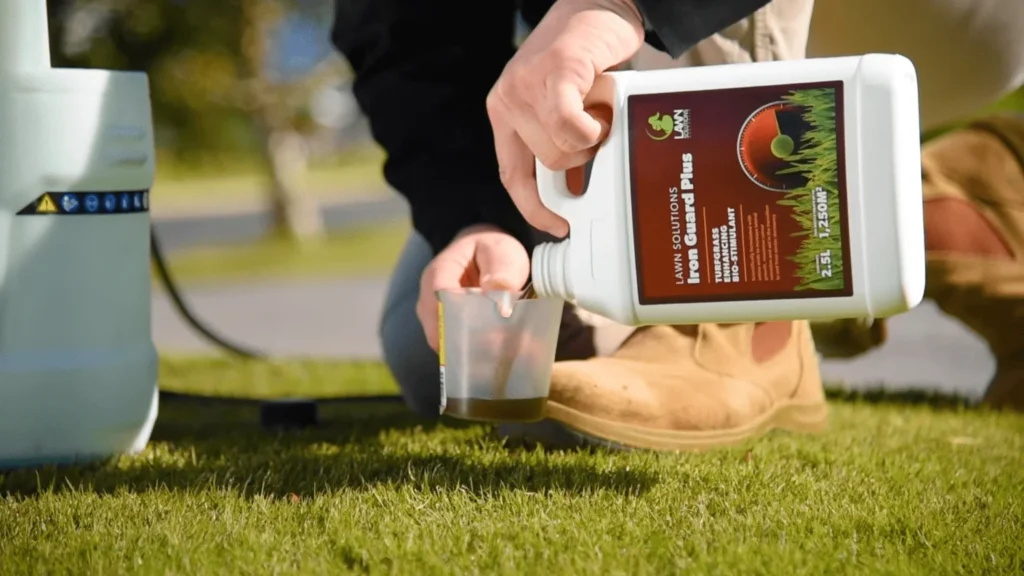
Chelated iron (available as liquids from brands like Southern Ag or Simple Lawn Solutions) is the most effective form because it stays available even in higher-pH soils. Soil pH plays a role in iron availability: alkaline soils above pH 7.0 bind iron, making it unavailable to grass roots even when iron is present in adequate quantities. If pH reads above 7.0, consider sulfur applications to lower pH alongside iron treatments.
Apply liquid iron in the morning on damp grass when temperatures are below 90°F. Avoid applying before heavy rain, which washes it off before absorption.
The Free Nitrogen Source You’re Probably Throwing Away
If you’re bagging grass clippings every week, you’re hauling away free fertilizer. Clippings are roughly 80% water; as they break down, they release nitrogen, phosphorus, and potassium directly into the soil.
Research at Penn State has shown that over a three-year period, leaf clippings from Kentucky bluegrass contained 46 to 59 percent of the nitrogen applied as fertilizer. When clippings are returned to the lawn, fertilizer applications can be reduced accordingly.
Grass clippings do not contribute to thatch buildup and can reduce nitrogen fertilizer needs by up to 25%. The catch: clippings need to be short enough to filter down through the grass canopy. Follow the one-third rule – never remove more than one-third of the blade height per mowing session – and the clippings decompose within a week without matting.
Why Mowing Height Matters More Than Most Homeowners Think
Mowing too short is one of the most common reasons grass loses its color. Short-cut grass produces less chlorophyll, stresses the root system, and turns pale under summer heat.
A higher mowing height allows grass to photosynthesize more, which results in deeper roots and greater drought tolerance. More leaf surface means more chlorophyll, which means darker green color even without additional fertilizer.
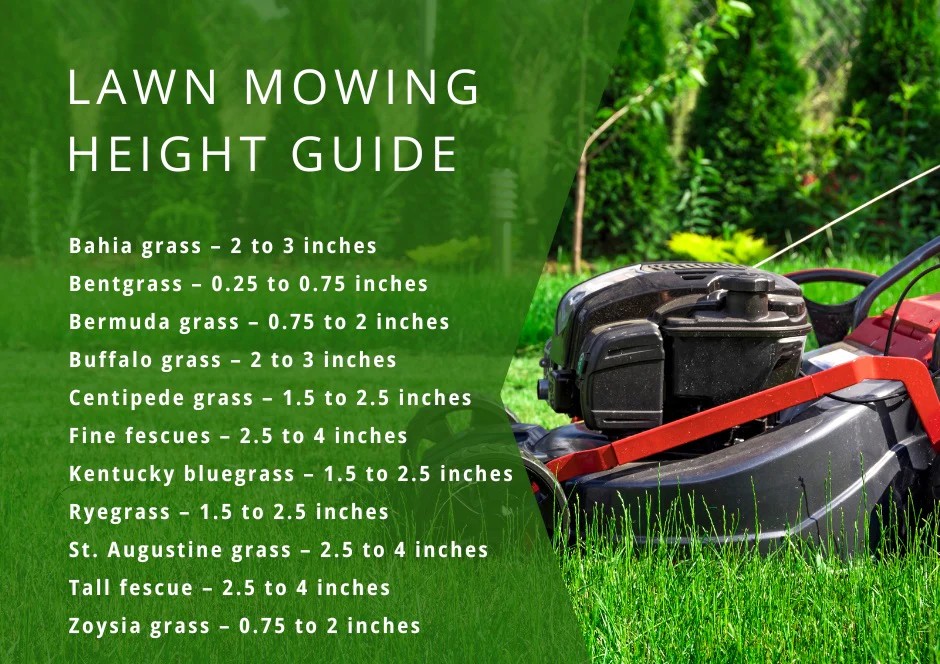
All cool-season grasses – Kentucky bluegrass, perennial ryegrass, and tall fescue – perform best at a mowing height of 3 inches or more. Purdue Extension recommends setting the deck at 3 inches or the highest setting and leaving it there all year.
For warm-season grasses like Bermuda and Zoysia, follow your grass type’s specific recommendations, but the principle holds: cutting shorter than the recommended height consistently hurts color.
Natural Color Improvement: What Works vs. What Doesn’t
| Method | What It Does | Time to See Color | Cost Estimate |
|---|---|---|---|
| Soil pH correction (lime or sulfur) | Restores nutrient uptake across the board | 4-8 weeks | $10-$30 per application |
| Chelated iron spray | Deepens green in existing blades | 7-10 days | $15-$40 per bottle |
| Leave clippings on lawn | Returns nitrogen and potassium over time | 4-6 weeks (cumulative) | Free |
| Raise mowing height to 3-4″ | Increases chlorophyll production | 2-3 mowing cycles | Free |
| Slow-release nitrogen fertilizer | Feeds steady green growth | 2-4 weeks | $25-$60 per bag |
| Watering deeply, less often | Encourages deeper roots, reduces stress pale | 2-4 weeks | Varies by water rates |
Mistakes That Keep Lawns Looking Pale
- Applying fertilizer without a soil test: If pH is wrong, fertilizer stays locked in the soil and does nothing for color. Test first, then feed.
- Mowing too short, too often: Scalping the lawn removes the leaf surface that produces green color. It also stresses roots and slows recovery. Raise the deck, especially in summer.
- Overwatering on a shallow schedule: Frequent, shallow watering trains roots to stay near the surface. Shallow roots are the first to show stress and fade. Water deeply (1 inch per session) and less often.
- Using quick-release nitrogen only: A big nitrogen push turns grass bright green for a week, then fades fast. Slow-release nitrogen (look for “WIN” or “PSCU” on the label) gives steadier color with less risk of burning.
Frequently Asked Questions
What is the fastest way to improve lawn color naturally?
Iron sulfate or chelated iron spray is the fastest method. Most lawns show noticeably deeper green color within 7-10 days of a properly timed application. It works best when soil moisture is adequate and temperatures are below 90°F. A soil test beforehand confirms whether pH is the underlying problem.
Why is my lawn pale even after fertilizing?
Pale color after fertilizing almost always points to a pH problem. When soil pH falls outside the 6.0 to 7.0 range, grass cannot properly absorb nitrogen regardless of how much you apply. Get a soil test – your county extension office can provide one for $15-$25 – before spending more on fertilizer.
How often should I apply iron to my lawn?
One application of chelated iron in late spring (May) works well for most lawns. A second application in early fall can maintain color for cool-season grasses. If color doesn’t improve after two properly timed applications, investigate pH issues or consider a professional soil analysis.
Does leaving grass clippings on the lawn actually help color?
Yes. Penn State research found that clippings from Kentucky bluegrass contained 46 to 59 percent of the nitrogen applied as fertilizer over a three-year period. That returned nitrogen directly supports chlorophyll production and greener color. The clippings need to be short enough to work through the canopy – follow the one-third rule each time you mow.
What mowing height produces the darkest green lawn?
Purdue Extension recommends 3 inches or higher for all cool-season grasses, noting this is the best setting to leave in place year-round. For warm-season grasses, check your specific grass type, but staying at the higher end of the recommended range consistently produces better color than frequent close cuts.
Can I improve lawn color without any fertilizer at all?
Yes, to a point. Correcting soil pH, leaving clippings on the lawn, raising your mowing height, and applying chelated iron all improve color without adding synthetic nitrogen fertilizer. These steps address the conditions that allow grass to use nutrients already present in the soil. If the soil is truly nutrient-depleted, a slow-release organic fertilizer like Milorganite is the lowest-input way to add nitrogen without heavy synthetic application.