Why Most Lawn Care Routines Fail (And How to Fix Yours)
TL;DR
- Most lawn care routines fail because of four repeated mistakes: mowing too short, watering too often, fertilizing on the wrong schedule, and ignoring equipment condition.
- Cutting more than one-third of the blade at once forces grass to abandon root growth and recover leaf mass instead, leaving it shallow-rooted and drought-prone (NDSU Extension, 2021).
- Lawns need about one inch of water per week, applied in one or two deep sessions – not a light sprinkle every day (University of Georgia Extension, 1999).
- A dull mower blade tears grass instead of cutting it, which browns the tips and opens the door to disease (Illinois Extension, 2024).
- Fertilizing without a soil test means you may be dumping nutrients the grass already has in excess while starving it of what it actually needs (Penn State Extension, 2023).
Why Your Lawn Looks Good in April and Dead in July
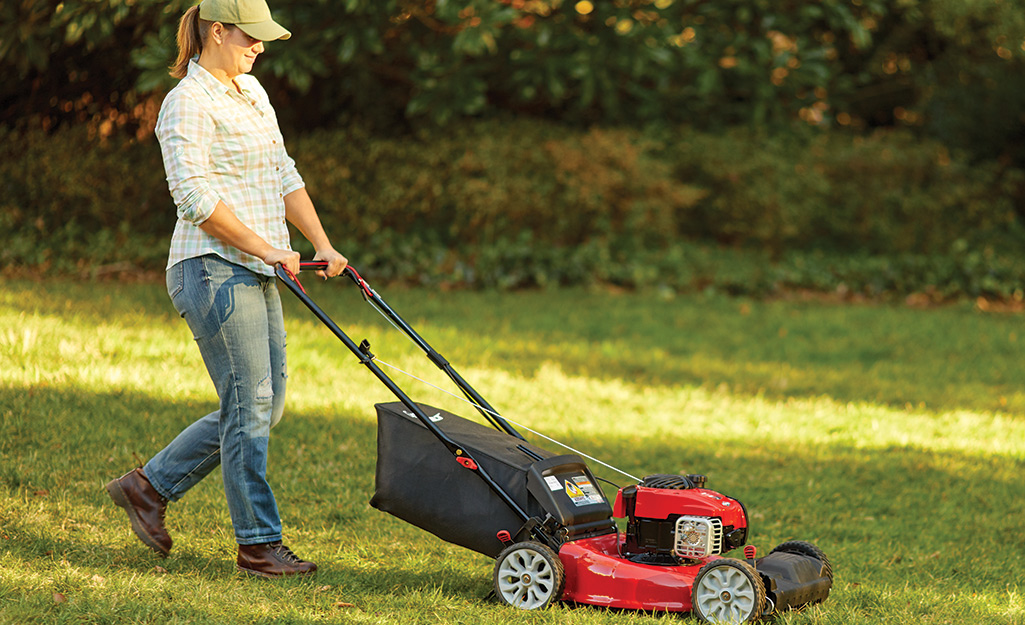
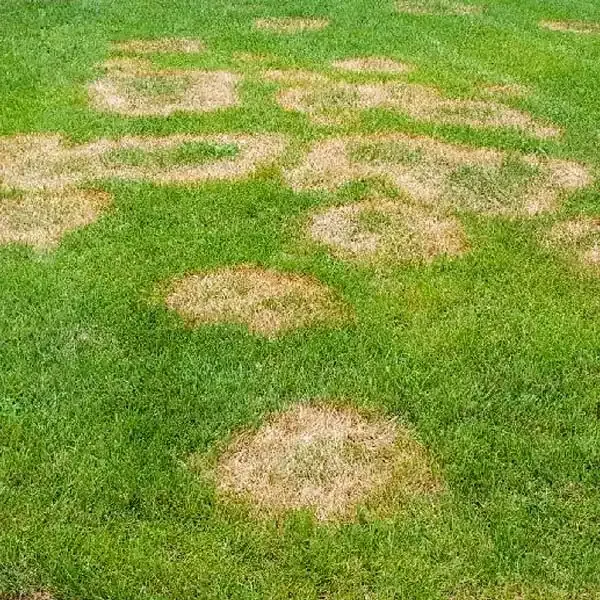
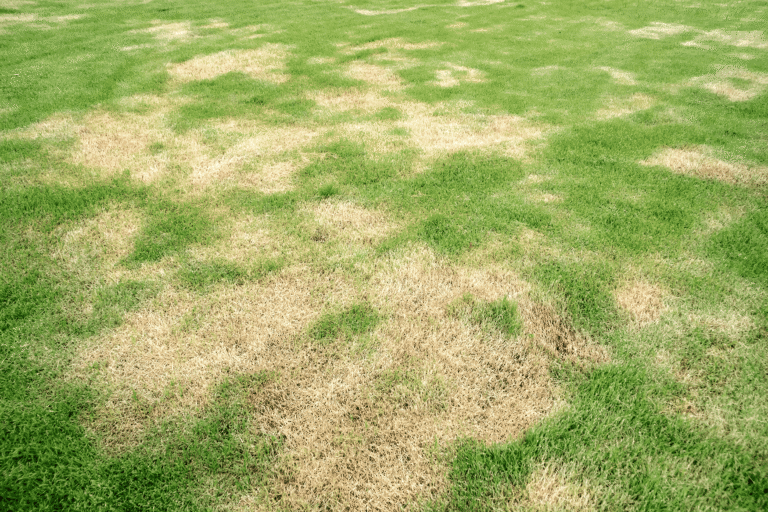
The pattern is the same for a lot of US homeowners. You mow every Saturday, water a few times a week, throw down some fertilizer in spring, and still end up with brown patches, thin spots, and weeds by midsummer. The lawn looks fine right after you mow and terrible two days later.
The problem usually isn’t effort. It’s that the routine is built around habit and calendar dates rather than what grass actually needs. Four specific mistakes account for the majority of failed routines, and all four are correctable without buying anything expensive.
The One-Third Rule: Why Mowing Height Breaks More Lawns Than Any Other Mistake
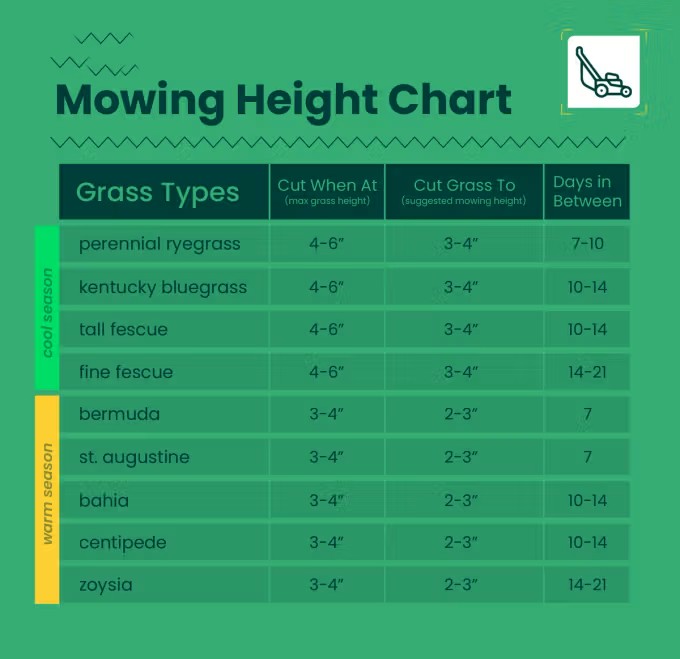
Cutting the grass too short, often called scalping, stresses the plant immediately. When you remove more than one-third of the blade length during a single mow, the grass plant diverts energy from root growth to leaf production as it tries to recover its photosynthetic surface. The result is a shallow root system that struggles as soon as temperatures climb.
Per NDSU Extension horticulturist Tom Kalb, lawns maintained at 3 inches should not be cut until they reach 4.5 inches. Mowing frequency should follow the growth rate – every 5 days in spring is normal, while every 5 weeks may be enough in a dry summer.
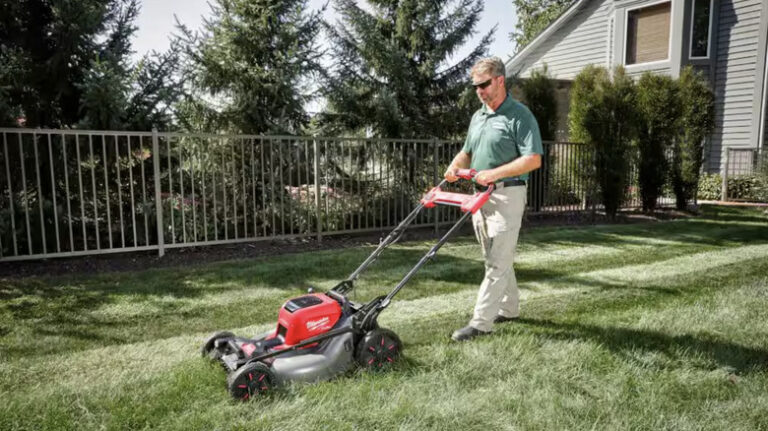
The fix is straightforward: raise your deck. Set your Toro Recycler, Craftsman M105, or Honda HRX to 3 to 3.5 inches for most cool-season grasses like Kentucky bluegrass and tall fescue. During summer, bump the cutting height up by about half an inch from the rest of the year – this helps retain soil moisture, suppress weeds, and develop deeper roots ahead of summer heat stress.
How a Dull Blade Is Silently Wrecking Your Lawn
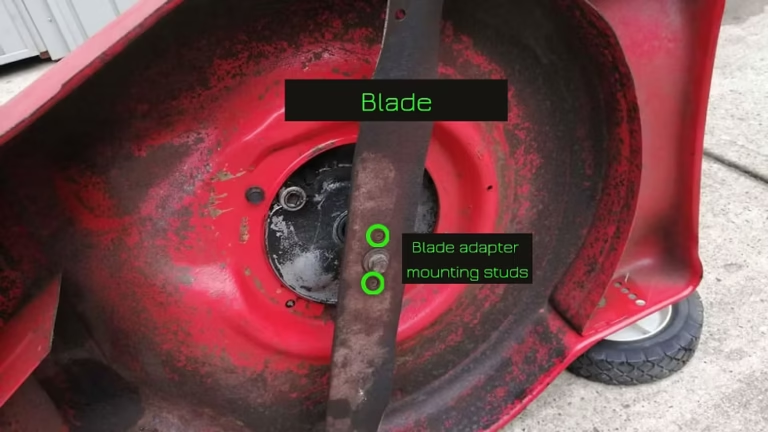
A dull mower blade tears grass instead of cutting it cleanly, which leaves the lawn looking ragged, uneven, or slightly brown at the tips. Homeowners sometimes assume their lawn looks rough because it needs more water or fertilizer, when the real problem is simply that the mower blade needs sharpening.
Per Illinois Extension, a sharp mower blade cuts the grass cleanly, giving the lawn an even appearance and reducing disease from damage caused by a dull blade. A torn grass blade is essentially an open wound. It loses moisture faster and is more susceptible to fungal infection than a clean-cut blade.
Blades typically need sharpening after about 25 hours of use, which for most homeowners means roughly twice per year. If you’re mowing a quarter-acre lot once a week from April through October, you’re almost certainly past that threshold by midsummer. A replacement blade for most walk-behind mowers runs $10 to $25 at Home Depot or Lowe’s, and sharpening service at a local shop is typically $10 to $20.
Watering Too Often Is as Bad as Not Watering Enough
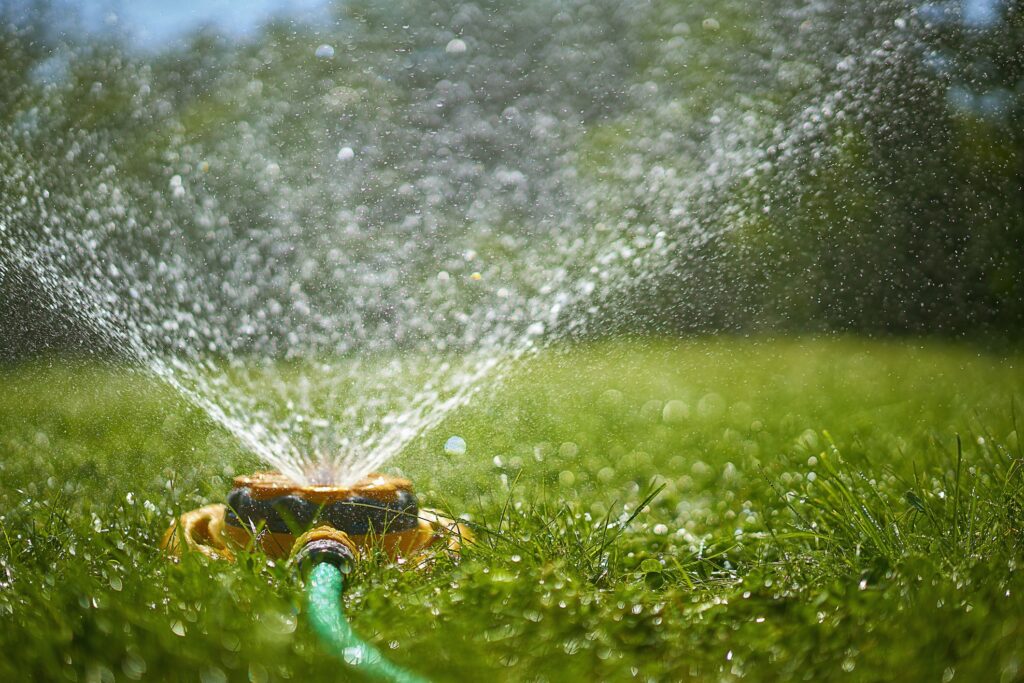
Daily light watering is one of the most common lawn care habits, and one of the most damaging. When you water for 10 minutes every day, moisture never penetrates more than an inch or two into the soil. The grass roots follow the water – which means they stay near the surface. A shallow root system wilts fast in heat and recovers slowly from drought.
Per the University of Nebraska-Lincoln turfgrass program, a thorough irrigation once or twice per week is better than frequent shallow sessions. Lawns should be watered deeply and infrequently – soaking to rooting depth, then not watered again until the first signs of drought stress appear. This approach increases rooting depth and water-use efficiency.
Clint Waltz, turfgrass extension specialist at the University of Georgia, recommends watering to a depth of one inch per week to encourage deep root growth and keep a lawn green through the season. Split that into two sessions of half an inch each if runoff is a concern.
Early morning is the right time. As much as 50 percent of water applied during midday irrigation can evaporate before it reaches the ground. Evening watering keeps leaves wet overnight and raises disease risk.
| Watering Habit | What Happens to Roots | Drought Tolerance |
|---|---|---|
| Daily light watering (10 min) | Roots stay in top 1-2 inches | Low – wilts fast in heat |
| Every other day (20-25 min) | Marginal improvement | Moderate |
| 1-2x per week, deep soak | Roots reach 6-8 inches | High – resilient in summer |
Why Fertilizing Without a Soil Test Is Guesswork
Most homeowners pick up a bag of 30-0-4 in spring because it was on the end cap at the hardware store. The problem is that fertilizer schedule assumes your soil is deficient in the same things as everyone else’s – and it probably isn’t.
Soil is not a universal medium. Without a soil test, homeowners blindly apply nitrogen, phosphorus, and potassium, often over-applying phosphorus or neglecting necessary amendments like lime or sulfur to adjust pH. Soil pH determines how effectively grass roots can absorb nutrients, even when those nutrients are present.
Per Penn State Extension, most turf and ornamentals prefer a soil pH between 6.0 and 7.5. If your soil is too acidic, the grass can’t absorb nitrogen no matter how much you apply. You’re fertilizing the soil chemistry problem instead of fixing it.
Penn State Extension recommends testing soil fertility every three to five years, with early spring or late fall being ideal times to sample – this allows you to have results in hand before buying lime and fertilizer for the season. County extension offices in most states offer soil testing kits for $10 to $20.
A Scotts-commissioned Harris Poll found that only 56% of homeowners practice preventative maintenance for their lawn, compared to 81% for their vehicle and 66% for skincare. Skipping the soil test is exactly that kind of deferred maintenance.
The Seasonal Timing Problem Most Routines Ignore
Mowing the same height, watering the same amount, and fertilizing on the same day regardless of season is the other major failure pattern. Cool-season grasses like Kentucky bluegrass and tall fescue behave very differently in April than they do in August, and a routine that doesn’t adjust for that will underperform year-round.
Spring is the time to wake up the lawn and prepare it for growth with proper fertilization and weed control, while summer demands a focus on watering practices and reduced mowing stress.
For warm-season grasses like bermuda, zoysia, and St. Augustine, the right time to apply spring fertilizer is when soil temperature at a 4-inch depth reaches 65°F – not based on the calendar date. This threshold is supported by research from Michigan State, Penn State, Purdue, the University of Georgia, and Texas A&M.
Fertilizing cool-season grass in summer heat is a common mistake on its own. Fertilizer should be applied once or twice a year during active growing periods – spring or fall – but never during the heat of summer, as this can cause fertilizer burn.
Quick Diagnosis: What’s Actually Wrong With Your Lawn
| Symptom | Most Likely Cause | Fix |
|---|---|---|
| Brown tips after mowing | Dull blade tearing grass | Sharpen or replace blade |
| Thin, patchy areas in summer | Mowing too short, shallow roots | Raise deck height; follow one-third rule |
| Lawn wilts fast, needs water every day | Shallow roots from frequent light watering | Switch to 1-2 deep watering sessions per week |
| Fertilizer isn’t helping | Wrong pH or wrong nutrients for your soil | Get a soil test before next application |
| Weeds taking over in July | Low mowing height exposing soil | Raise deck; dense turf crowds out weeds |
| Grass greens up in April but struggles by June | No seasonal adjustment to mowing or watering | Adjust height up and water deeper as temps rise |
Frequently Asked Questions
Why does my lawn look worse in summer even though I water it more?
More frequent watering in summer usually makes the problem worse, not better. Daily light watering keeps roots in the top inch or two of soil, which dries out fast in heat. The fix is to water deeply once or twice a week – roughly one inch per session – so roots grow down where the soil stays cooler and moister.
How often should I sharpen my lawn mower blade?
Mower blades need sharpening after approximately 25 hours of use, which works out to roughly twice per year for most homeowners. If you mow weekly through a full season, plan on sharpening once at the start of spring and again around midsummer.
What is the one-third rule for mowing?
The one-third rule means you should never remove more than one-third of the grass blade’s height in a single mow. If your lawn is at 4.5 inches, cut it back to 3 inches. Going shorter than that forces the grass to redirect energy from roots to leaves, weakening the plant and making it more vulnerable to drought, weeds, and disease.
Do I really need a soil test if I’ve been fertilizing for years?
Yes. Repeated fertilizer applications without testing often create nutrient imbalances – too much phosphorus is common – while the actual limiting factor (usually pH) stays unaddressed. A $15 soil test from your county extension office tells you exactly what to apply and what to skip.
When is the best time to fertilize a lawn?
For cool-season grasses (bluegrass, fescue, ryegrass), fall fertilization is the most effective – typically September through early November. Spring is the second window. Avoid summer applications, which can stress the grass. For warm-season grasses (bermuda, zoysia, St. Augustine), apply when the soil temperature at 4 inches hits 65°F and the grass is fully green (Michigan State Extension; Penn State Extension).
Why does my lawn get weeds even after I treat them?
Weed treatment removes existing weeds but doesn’t address the conditions that invited them. Mowing too short exposes bare soil where weed seeds germinate easily. Weed control works best as part of a seasonal lawn care plan rather than a last-minute response to visible growth. Raise your mowing height, water deeply, and the turf itself will crowd out most weeds over time.