How to Keep Grass Healthy Year-Round: A Season-by-Season Guide
TL;DR
- Healthy grass requires different tasks in each season – mowing height, watering schedule, and fertilizing timing all shift with the calendar.
- Mow cool-season grasses (Kentucky bluegrass, tall fescue, perennial ryegrass) at 2.0–3.5 inches to encourage deep roots and crowd out weeds (Purdue University Turfgrass Science).
- Water at 1 inch per week, applied early in the morning between 6–10 a.m. to cut evaporation loss (Scotts, 2024).
- Aerate and overseed between late August and early October when weed seed pressure is lowest (University of Minnesota Extension).
- Soil pH should fall between 6.0 and 7.5 for most cool-season grasses; test annually to stay on target (Penn State Extension).
What Does “Healthy Grass” Actually Mean?
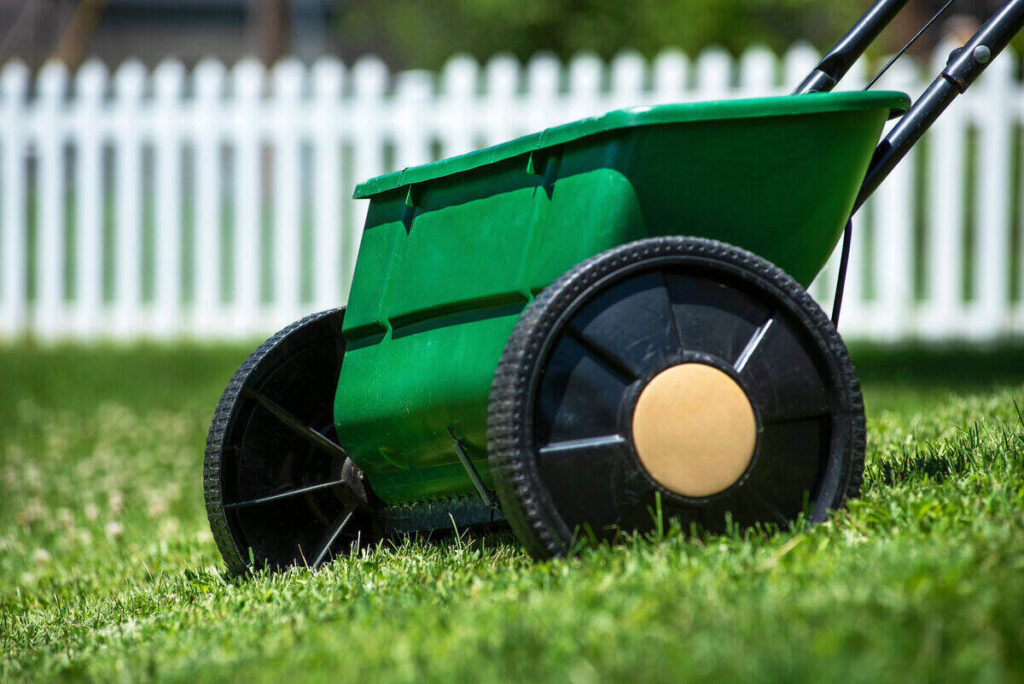
credit: https://www.lawnstarter.com/
Healthy grass is grass that stays dense enough to block weeds, recovers quickly from foot traffic and drought, and holds its color through summer heat. It starts below ground: a lawn with deep roots can pull moisture from 6–8 inches down, while a shallow-rooted lawn starts browning the moment surface soil dries out.
The four levers that control lawn health are mowing height, watering depth and timing, soil nutrition, and seasonal timing. Get those four things right and most lawns stay healthy with minimal intervention.
Spring Lawn Care: Clean Up and Kick Off the Growing Season
Spring is when cool-season grasses – Kentucky bluegrass, tall fescue, and perennial ryegrass – come out of dormancy with strong growth. Your first job is clearing the damage winter left behind: rake out dead grass, pick up debris, and check for bare patches before growth accelerates.
Set your mower deck higher than you think you need to. Purdue University Turfgrass Science recommends mowing cool-season grasses at 3–4 inches in spring to encourage deeper roots and reduce weed pressure from crabgrass. A lawn mowed at 2.5 inches and one mowed at 3.5 inches will look similar at first, but the taller lawn will outcompete weeds through summer without herbicide.
Apply a balanced starter or slow-release fertilizer in early spring once grass is actively growing and green. Avoid fertilizing too early – nitrogen on dormant grass goes straight to weeds.
Summer Lawn Care: Protect Roots from Heat and Drought
Summer is the season most lawns fail, and the reason is usually the same: mowing too low and watering too often but not deep enough. Both mistakes create shallow roots that bake out in July.
Keep mowing height at 3 inches or more through the summer months. Penn State Extension confirms that raising the mowing height in summer allows turf to grow thicker and reduces weed pressure, because denser grass shades out crabgrass and spurge.
Water deeply and infrequently. Most lawns need about 1 inch of water per week, including rainfall (Scotts, 2024). Water early – the Scotts seasonal guide recommends irrigating between 6 and 10 a.m. to cut evaporation and let grass blades dry before evening, which reduces disease risk. One deep soak beats three shallow passes every time.
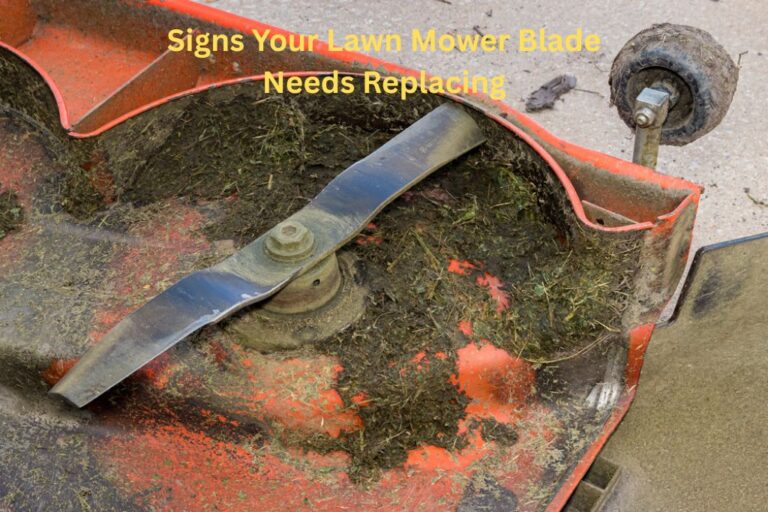
Watch your mower blade. A dull blade tears grass fibers instead of cutting them clean, leaving ragged tips that turn brown and invite disease. Sharpen blades at least once mid-season if you’re mowing on a regular schedule.
Fall Lawn Care: The Most Important Season for Long-Term Health
credit: https://turfmasterslawncare.com/
Fall is when the real work happens. Cool-season grasses grow aggressively once temperatures drop back into the 55–75°F range, and that recovery window is your best opportunity to fix thin spots, improve soil structure, and load up root reserves for winter.
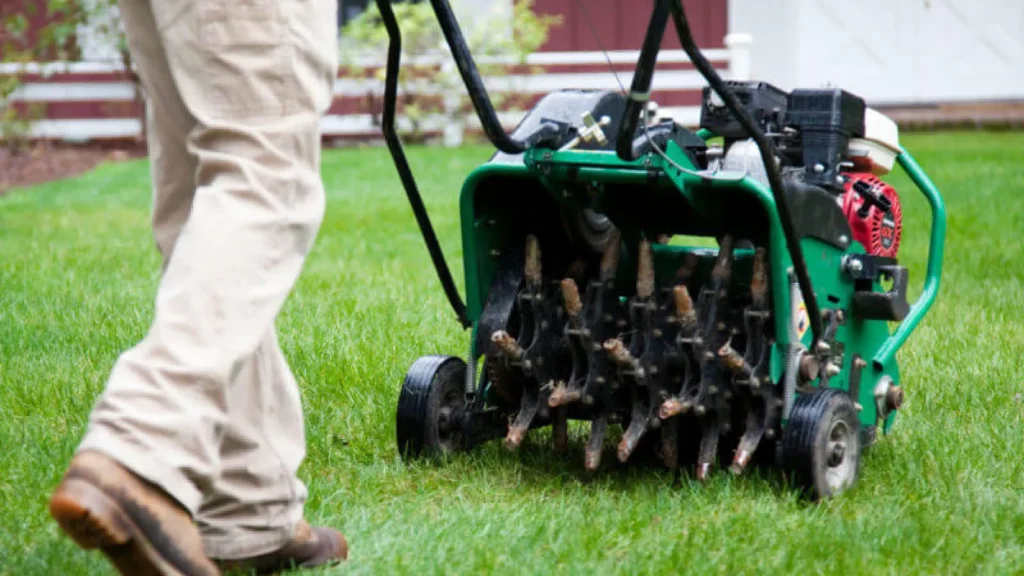
Aeration is the single highest-impact fall task. University of Minnesota Extension recommends aerating between late August and early October, when weed seeds are not actively germinating. Core aeration removes 3–4 inch plugs from the soil, opening channels for water, oxygen, and nutrients to reach the root zone.
Overseeding works best immediately after aeration. University of Minnesota Extension puts the ideal overseeding window at August 20 to September 10 for cool-season lawns, giving new seedlings enough time to establish roots before first frost. Pair this with a starter fertilizer high in phosphorus, which supports root development in new seedlings.
Apply a winterizing fertilizer in early fall to load roots with nutrients before dormancy. This is separate from the starter fertilizer used during overseeding – the winterizer feeds established turf, not new seed.
Winter Lawn Care: Protect What You Built
Winter lawn care is mostly about what you don’t do. Don’t walk repeatedly across frozen or frost-covered grass, because foot traffic on dormant turf damages crowns that won’t show the injury until spring. Don’t fertilize dormant grass. Don’t leave heavy debris sitting on the lawn – matted leaves and branches can cause snow mold and block light from dormant crowns.
Give your lawn a final mow in late fall before growth stops completely. Penn State Extension recommends finishing the season with grass cut short enough that long blades won’t mat down under snow and invite mold, while still leaving enough height to protect crowns.
Soil pH: The Invisible Factor Most Homeowners Skip
Grass can look unhealthy even on a perfect mowing and watering schedule if soil pH is off. Most cool-season grasses perform best at a pH of 6.0–7.5 (Penn State Extension). Outside that range, nutrients get locked up in the soil and roots can’t absorb them regardless of how much fertilizer you apply.
Test your soil annually. Testing kits are available at most garden centers or through your county extension office. If pH is too low (too acidic), lime brings it back up. If it’s too high, sulfur pulls it back down.
Year-Round Lawn Care Schedule at a Glance
| Season | Key Tasks | Timing |
|---|---|---|
| Spring | Rake, set mower high, apply balanced fertilizer | When grass turns green |
| Early Summer | Raise mowing height to 3+ inches, start deep watering | June |
| Late Summer | Aerate, overseed cool-season lawns, apply starter fertilizer | Aug 20 – Sep 10 |
| Fall | Apply winterizing fertilizer, final mow, clear debris | Mid-Sep through Oct |
| Winter | Stay off frozen grass, remove matted debris, skip fertilizer | Nov – Feb |
Mistakes That Damage Grass Over Time
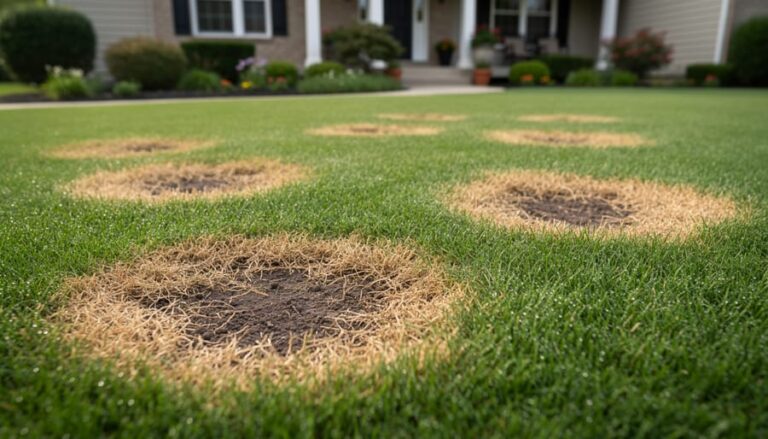
- Mowing too short (scalping): Cutting below 2 inches exposes crowns, weakens roots, and opens bare patches for weeds and crabgrass to fill. Set the deck higher and mow more often if needed.
- Watering at night: Evening watering leaves grass blades wet overnight, which is the ideal condition for fungal diseases like brown patch. Always water in the morning.
- Skipping aeration: Compacted soil cuts off oxygen and water to roots just as effectively as drought. Aerate at least once a year, in fall for cool-season lawns.
- Ignoring soil pH: Fertilizing a lawn with a pH of 5.5 is mostly wasted effort. The nutrients are there; the roots just can’t use them at that pH level.
Frequently Asked Questions
How often should you mow grass to keep it healthy?
Mow based on growth rate, not a fixed schedule. Purdue University Turfgrass Science recommends mowing when the lawn needs it rather than on a set calendar day. In spring and early summer, that may mean mowing every 5–7 days. In hot, dry summer stretches, growth slows and you may go 10–14 days between cuts.
What is the best time of year to aerate a lawn?
Late August through early October is the best window for cool-season grasses, according to University of Minnesota Extension. Aerating during this period allows fall overseeding to take advantage of the open soil channels, and weed seeds are not actively germinating at this time of year.
How much water does grass need per week?
Most lawns need 1 inch of water per week from rain or irrigation (Scotts, 2024). Measure this with a simple rain gauge or a flat-bottomed can set in the sprinkler zone. Deep, infrequent watering builds deeper roots than frequent shallow watering.
What is the right mowing height for healthy grass?
For the most common cool-season grasses, Purdue University Turfgrass Science sets the optimum range at 2.0–3.5 inches for Kentucky bluegrass, fine fescue, and perennial ryegrass, and 3.0–4.0 inches for tall fescue. Mowing within these ranges produces the densest turf with the fewest weed and disease problems.
When should you stop mowing in the fall?
Stop mowing when the grass stops growing, which in most northern states happens around late October as temperatures consistently drop below 50°F (Penn State Extension). Make sure the last mow leaves the lawn at a reasonable height – long grass matted under snow is a direct cause of snow mold in spring.
Can you overseed in spring instead of fall?
You can, but fall is a significantly better window for cool-season grasses. University of Minnesota Extension puts the ideal overseeding window at August 20 to September 10 because temperatures favor germination and weed competition is lower than in spring. Spring overseeding works but requires more irrigation and comes with higher weed pressure.
What should soil pH be for healthy grass?
Most cool-season lawns perform best at a pH of 6.0–7.5 (Penn State Extension). Test annually with a kit from your local garden center or county extension office. Low pH is corrected with lime; high pH is brought down with sulfur.
Quick Reference: Seasonal Task List
- Spring: Rake out dead grass, set mower to 3–4 inches, apply balanced fertilizer after grass greens up.
- Summer: Keep mowing height at 3+ inches, water 1 inch per week in the morning, sharpen mower blade mid-season.
- Late summer to fall: Aerate, overseed (Aug 20 – Sep 10), apply starter fertilizer on new seed, apply winterizing fertilizer on established turf.
- Fall to winter: Final mow at appropriate height, remove matted debris, stay off frozen grass.