Lawn Mower Size: How to Pick the Right One for Your Yard
TL;DR
- Lawn mower size refers to cutting deck width, which determines how much grass you cut in a single pass.
- For yards under 1/4 acre, a 21-inch walk-behind is the standard fit; yards from 1/4 to 1 acre typically need a 30-42 inch riding mower (Briggs & Stratton).
- The national average U.S. yard is about 10,871 square feet, where a 21-30 inch deck is ideal (AHM Corp, 2025).
- Going from a 42-inch to a 60-inch deck saves roughly 25 minutes of mowing time per session on one flat acre (A1 Power, 2025).
- Bigger is not always better: a deck too wide for your gate, slope, or obstacle density will cost you time, not save it.
What Lawn Mower Size Actually Means
credit: https://letstalksport.co.uk/
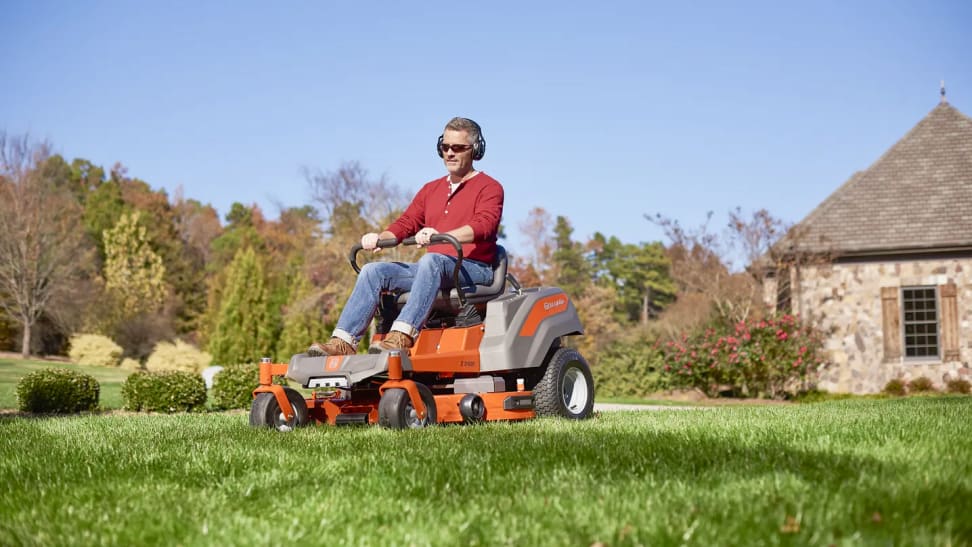
Lawn mower size refers to the width of the cutting deck – the housing that holds the blades underneath the mower. A 21-inch mower cuts a 21-inch strip of grass with every pass. A 42-inch riding mower cuts 42 inches. The wider the deck, the fewer passes you make, and the faster you finish.
Cutting deck width is measured in inches and is the single most useful number to look at when comparing mowers. Engine horsepower, self-propulsion, and drive type all matter, but deck width is what determines how long you spend mowing. Match it to your yard size and you’ll finish faster every single week.
Lawn Mower Size by Yard: The Right Fit at Every Acreage
The right deck size depends primarily on how much ground you have to cover. Here’s the standard sizing guide used by Briggs & Stratton and supported by data from AHM Corp (2025):
| Yard Size | Deck Width | Mower Type |
|---|---|---|
| Under 1/4 acre (under 10,890 sq ft) | 14-21 inches | Push or self-propelled walk-behind |
| 1/4 to 1/2 acre | 21-30 inches | Self-propelled walk-behind or entry riding mower |
| 1/2 to 1 acre | 30-42 inches | Riding mower or lawn tractor |
| 1 to 2 acres | 42-48 inches | Lawn tractor or residential zero-turn |
| 2 to 3 acres | 48-54 inches | Residential or prosumer zero-turn |
| Over 3 acres | 54-72 inches | Prosumer or commercial zero-turn |
These are guidelines, not rigid rules. Your yard’s shape, slope, and obstacle count can shift you one tier in either direction.
Why You Can’t Just Pick the Biggest Deck Available
A wider deck saves time on open ground, but it creates real problems on typical suburban lots. A 60-inch zero-turn runs about 70-76 inches wide overall, which won’t fit through a standard 6-foot fence gate (A1 Power, 2025). On a half-acre yard with trees, flowerbeds, and a fence line, a 60-inch deck can actually increase your total mowing time because of all the tight trim work it leaves behind.
There are two other practical limits to keep in mind. First, a wider deck needs significantly more engine power. A 21-inch walk-behind runs on a 5.5-7 horsepower engine; a 42-inch lawn tractor needs 18 HP; a 54-inch residential zero-turn needs 22-24 HP. Underpowering a deck causes the engine to bog down in thick grass, leaving an uneven cut and shortening engine life (A1 Power, 2025). Second, a wider mower requires more storage space. Measure your shed or garage opening before you commit.
How Much Time Does Deck Size Actually Save?
The time savings from a wider deck are real and measurable. On one flat acre, a 19-inch push mower takes about 2.5 hours. A 42-inch riding mower cuts that to 35 minutes. A 60-inch zero-turn gets it down to around 20 minutes (eufy, 2026).
Going from a 42-inch to a 60-inch deck specifically saves about 25 minutes per mow on a flat acre. Over a 24-week mowing season, that adds up to 10 hours of time back (A1 Power, 2025). Whether that math justifies a more expensive machine depends entirely on your yard size and how much you value your Saturday mornings.
On obstacle-heavy lots, the savings shrink. Trim passes around trees, beds, and fence posts don’t scale with deck width, so the efficiency gap between a 42-inch and a 54-inch mower closes fast on a yard with a lot going on.
Walk-Behind vs. Riding Mower: Where the Line Is
The standard threshold between walk-behind and riding mower territory is about 1/4 acre of actual mowing area (Exmark, 2024). Below that, a walk-behind is faster to start, easier to store, and less expensive to maintain. Above it, a riding mower or tractor saves real time and reduces physical strain over a full season.
For yards between 1/4 acre and 3/4 acre, a self-propelled walk-behind with a 21-30 inch deck is still a reasonable choice if your budget is tight or your yard has narrow access points. Briggs & Stratton recommends a rear-engine riding mower or lawn tractor for anything over 3/4 acre.
Zero-turn mowers make the most sense from about 1 acre and up. Their ability to pivot on the spot reduces lap time significantly on open ground, and they’re faster than conventional tractors on large, flat lots.
Size Factors Beyond Acreage
Yard size is the starting point, but these factors can change your answer:
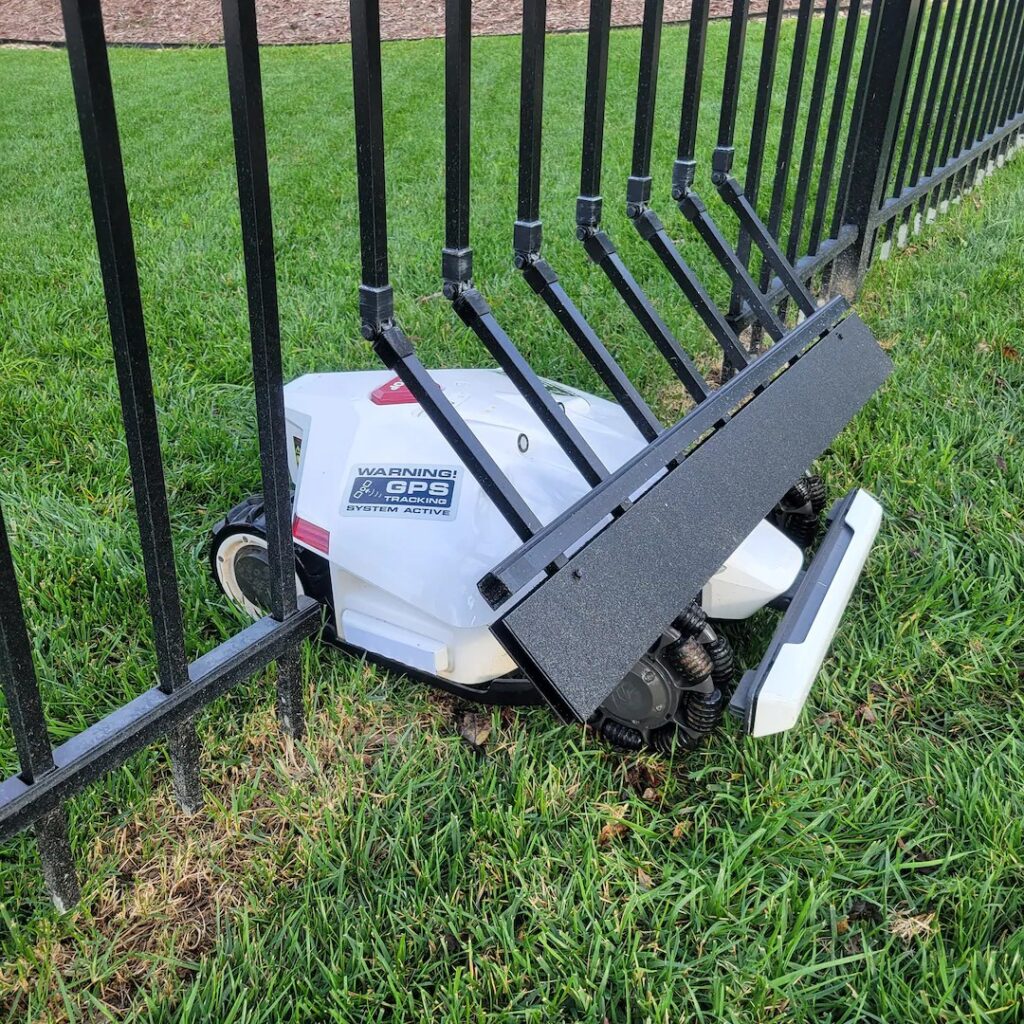
- Gates and access points: Measure the narrowest entry your mower has to pass through. A 48-inch deck is roughly 54-60 inches wide overall. If your gate is 48 inches, a 42-inch deck is likely your ceiling.
- Slopes and hills: Walk-behinds and rear-engine riders handle slopes better than most zero-turns. Zero-turns can lose traction and slide on grades steeper than 15 degrees. If you have significant inclines, size down and prioritize ground contact over deck width.
- Storage space: A 42-inch lawn tractor typically requires about 7 feet of width and 6 feet of depth in a garage or shed. A 60-inch zero-turn needs 8-9 feet of width.
- Obstacle density: Trees, beds, and fencing add trim work that a wider deck cannot eliminate. A yard with 15 trees on a half-acre is better served by a 30-inch walk-behind than a 48-inch tractor.
Common Sizing Mistakes That Cost You Time and Money
- Buying too big for a small suburban lot: A 48-inch zero-turn on a 1/4-acre yard with a 4-foot gate is unusable in any practical sense. You’d spend more time hand-trimming than mowing.
- Ignoring gate and access width: This is the most common and most preventable mistake. Measure the gate before you buy, not after.
- Underpowering a wide deck: A 42-inch deck on a 12-horsepower engine bogs down in wet or thick grass and cuts unevenly. Match engine HP to deck width using the specs above.
- Assuming walk-behinds won’t cut it above 1/4 acre: A self-propelled 30-inch walk-behind handles up to half an acre reasonably well if you’re physically comfortable with it. The threshold is a guideline, not a law.
Frequently Asked Questions
What size lawn mower do I need for a 1/4-acre yard?
A 20-22 inch self-propelled walk-behind is the standard fit for a 1/4-acre yard. If the yard is flat and relatively open, you could move up to a 30-inch walk-behind or an entry-level riding mower to cut mowing time.
What size riding mower do I need for 1 acre?
A 42-inch deck is the standard starting point for a 1-acre yard. Briggs & Stratton recommends at least 14-16 horsepower paired with a 42-46 inch deck for lots in the 1 to 1.5 acre range.
Can I use a riding mower on a small yard?
You can, but it’s often counterproductive. A large riding mower on a small, obstacle-filled yard leaves more trim work than it saves in pass time. Walk-behinds are faster and more maneuverable on lots under 1/4 acre.
How wide is too wide for a suburban backyard?
If your backyard gate is under 5 feet wide, keep your deck at 36 inches or below. For a 6-foot gate, a 42-46 inch deck fits, but check the total machine width, not just the deck measurement.
Does deck size affect cut quality?
Deck size does not directly determine cut quality, but underpowering a wide deck does. A deck that’s too large for the engine will bog down in thick grass and leave an uneven finish. Match the horsepower rating to the deck width per the manufacturer’s recommendation.
How do I measure my yard to pick the right mower size?
One acre equals 43,560 square feet. Walk your property’s length and width in feet and multiply. A lot measuring 100 feet by 200 feet is 20,000 square feet, or about 0.46 acres – putting it in the 30-42 inch deck range.